
Every business that invests in a mobile app hopes users will keep it, open it regularly, and rely on it for daily tasks. Yet the reality is far harsher. Studies consistently show that a large percentage of apps are uninstalled within the first 24 to 48 hours of download. Users try an app, and within minutes, decide whether it stays or goes. Understanding why this happens is essential for any brand that wants its app to survive past the install screen.
The First Impression Problem
The most common reason apps get deleted instantly is a poor first impression. When a user opens an app for the first time, they form an opinion within seconds. If the interface looks cluttered, outdated, or confusing, most people won't bother exploring further. They simply uninstall and move on to a competitor's app. This is why working with an experienced mobile application development company in Delhi can make a real difference, since local teams understand both global design standards and the specific expectations of Indian users, who often switch between multiple apps for the same service.
Slow loading times also fall into this category. Indian users, particularly those on mid-range smartphones or inconsistent network connections, have little patience for apps that take more than a few seconds to load. If the home screen doesn't appear quickly, the app gets deleted before the user even sees what it offers.
Excessive Permissions and Privacy Concerns
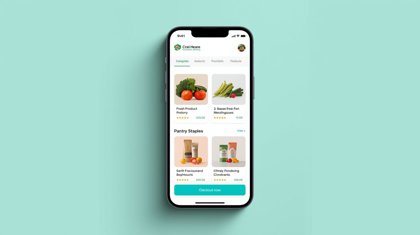
Another major trigger for instant deletion is permission overreach. When an app asks for access to contacts, camera, location, microphone, and storage all at once, before the user has even understood what the app does, it raises red flags. People have become increasingly cautious about data privacy, and apps that seem to be collecting more information than necessary are quickly removed. A grocery delivery app asking for camera access makes sense; one asking for access to call logs does not, and users notice the difference.
Forced Registration Before Value
Many apps ask users to sign up, verify a phone number, and fill out a profile before they're allowed to see any actual content or functionality. This is one of the fastest ways to lose a new user. People want to understand what an app does before committing their personal information. Apps that delay this gratification too long often lose users who never even reach the core experience the business worked so hard to build.
Bugs, Crashes, and Broken Features
Nothing erodes trust faster than an app that crashes during onboarding or has buttons that don't respond. Even a single crash in the first session can be enough for a user to give up entirely. This is particularly damaging for businesses operating in competitive sectors like ecommerce, food delivery, or OTT streaming, where alternatives are just one search away. Thorough testing across different devices and operating systems, especially older Android versions still common in Tier 2 and Tier 3 cities, is critical before launch.
Irrelevant Push Notifications
While not always an instant deletion trigger, aggressive or irrelevant notifications sent immediately after install often push users toward uninstalling within the same day. Bombarding a new user with promotional alerts before they've even explored the app feels intrusive rather than helpful.
Mismatch Between Marketing and Reality
Finally, apps get deleted when they don't match what was promised in their app store listing or advertisements. If screenshots show one experience but the actual app delivers something slower, less polished, or missing key features, users feel misled and abandon the app almost immediately.
Building Apps That Stay
Preventing instant deletion comes down to respecting the user's time, privacy, and expectations from the very first tap. Clean design, fast load times, minimal upfront permissions, and a smooth first-use experience all play a role in retention. Businesses that want to avoid becoming part of the uninstall statistics often benefit from partnering with developers who understand both technical performance and user psychology, ensuring the app delivers real value from the very first interaction rather than losing users before they've had a chance to see what it can do.

You Might Like Also

How AI Is Improving Dating App Development and User Matching


OTT App Development Time, Cost, Features, and Market Growth

How to Build a High-Converting E-Commerce Mobile App
Benefits of On-Demand Grocery App Development for Retailers




