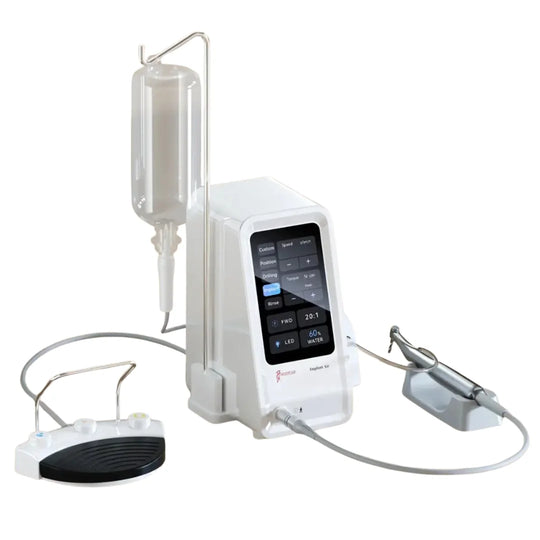
In a busy dental clinic, patients frequently notice the big moments - a filling placed, a tooth restored, or a smile improved. What many don’t see is the careful preparation and the dependable tools that make these results possible. Two similar tools that still support everyday ultramodern dentistry are the Woodpecker Implant Air Motor and the Woodpecker Intraoral Scanner.
They serve veritably different purposes, but both help dentists work more confidently, deliver smoother movables, and put patients at ease.
Woodpecker Implant Air Motor Confidence Inside the Mouth
Dental implants are one of the most trusted ways to replace missing teeth. They feel natural, serve well, and last for a long time with good care. Still, placing an implant requires steady hands, careful movement, and clear visibility. That’s where the Woodpecker Implant Air Motor with LED Handpiece comes in.
This tool delivers smooth, harmonious power during the stages of implant preparation and placement. Unlike some electric motors, it runs on compressed air, which many dentists appreciate for the familiar feel and immediate responsiveness.
Why Dentists Like It
This implant air motor helps dentists maintain a controlled pace throughout the procedure. The gyration feels steady rather than jerky, and the dentist can make small adaptations fluently using the bottom pedal. When placing an implant, that control makes a big difference; it helps reduce surprises and supports predictable results.
Another important point is the LED handpiece. Good lighting makes all the difference when working deep inside the mouth. The erected- in LED lights illuminate the treatment area easily, so the dentist doesn’t have to constantly acclimate to overhead lights or glasses.
How Patients Profit
Most patients won’t know exactly which motor is being used, but they feel the goods. A smooth, quiet motor means lower vibration and smaller unforeseen sounds, which can reduce anxiety during the surgical way. When a dentist is confident and calm, the patient frequently feels more relaxed, too.
The immutability of the air motor also supports better mending. When the implant point is set gently and with precision, the bone and girding tissue are less stressed-out, helping the jaw heal more effectively around the implant.
Woodpecker Intraoral Scanner Seeing Inside the Mouth Easily
Another tool that’s changing how dental care feels for patients is the Woodpecker Intraoral Scanner – Smile overlook. Dental prints used to involve big servers and putty- suchlike material that had to set in the mouth. Numerous patients set up that part uncomfortably, especially those with sensitive monkeyshine revulsions. The intraoral scanner replaces this with a far simpler and more affordable experience.
What It Does
The scanner is a slim, pen-like device that captures thousands of digital images as it moves gently around the teeth and epoxies. These images are assembled into a detailed 3D model of the patient's mouth right in front of them on a screen. There’s no paste to taste, no charger to hold in place, and no waiting for the material to harden.
This digital print can be used for numerous purposes, including crowns, islands, orthodontics and implant planning.
Why It Feels Better for Patients
Patients constantly say that surveying feels quick and comfortable. There’s no scraping, no strong taste, and no waiting time. Most of the work is visible on the screen, which helps the patients understand what's passing. Seeing their own teeth on the examiner frequently makes the appointment feel more transparent and less mysterious.
For those who aren’t keen on traditional print styles, the intraoral scanner is a welcome change.
Why Dentists Appreciate It
For clinicians, the biggest advantage is clarity and delicacy. Digital reviews are sharp and detailed, with no threat of bubbles or deformations that occasionally occur with physical impressions. If a small area needs to be rescanned, it can be done incontinently, saving time and avoiding reprise moves.
Digital lines can also be transferred straight to a dental laboratory, speeding up the process for crowns, aligners or other custom restorations. This effectiveness helps conventions stay on schedule and reduces delays for patients.
How These Tools Complement Everyday Dental Care
Although the implant air motor and the intraoral scanner serve veritably different functions, they both reflect the same trend in ultramodern dentistry, making treatments more accurate, more comfortable and more patient- centred.
The implant air motor supports predictable surgical work, giving dentists the control they need during delicate procedures. The intraoral scanner supports better communication and planning, helping patients see what the dentist sees and understand their treatment more easily.
Together, they help make dental visits feel smoother and further reassuring - from the first checkup to the final placement.
Real People, Real Gestures
Imagine a patient who needs an implant. First, the dentist uses the intraoral scanner to capture a clear digital model of the mouth, explaining what’s seen on screen and answering questions as they go. The patient feels involved, not rushed.
On the day of surgery, the dentist uses the implant air motor with confidence, guided by good lighting and steady control. The patient isn’t overwhelmed by noise or pressure, and the appointment feels calm and controlled.
This combination of visibility, comfort and trustworthiness helps both patient and clinician feel confident in the same moment. That’s the everyday value of tools like these - they don’t show off, but they make a real difference.
Visit: VSDent
Final Studies
The Woodpecker Implant Air Motor and the Woodpecker Intraoral Scanner may not be the first effects patients suppose when they picture dental treatment. But they're essential corridors of an ultramodern dentistry workshop.
One supports perfection in implant procedures.
The other makes print easier and more comfortable than ever.
Both help ameliorate how dental care feels for the patient and the dentist, likewise.
Quality tools may not always be noticed, but they help make good dentistry feel easy, calm and reassuring.

You Might Like Also

DTE Motor for Implantology: What UK Clinics Should Know


Reciprocating Endo Files: A Guide to Modern Endodontic Files in the UK

Infection Control in Dental Practice: The 2026 HTM 01-05 & CQC Checklist

Guided Biofilm Therapy: How Air Polishing Fits the Workflow?






