A dentistry moment is as important for comfort and clarity as it is for treatment. Patients want to understand what's happening, feel relaxed during procedures, and leave the clinic confident about their care. To make this possible, dentists rely on tools that work easily in the background without drawing attention to themselves.
Two similar tools are the Woodpecker intraoral scanner and the Implant Air Woodpecker motor. They're used at truly different stages of treatment, but both help dentists work more directly and help patients feel more at ease.
Woodpecker Intraoral Scanner - A Clearer Way to See the Mouth
The Woodpecker Smile intraoral scanner has changed how dentists examine teeth and take prints. In history, prints involved big waitpersons and thick paraphernalia that were set up uncomfortably. The intraoral scanner replaces that experience with something much simpler.
The scanner is slim and easy to move around the mouth. As the dentist reviews, a detailed digital image of the teeth and bonds appears on the screen in real time. There's no waiting, no unwelcome taste, and no pressure from waitpersons.
Patients constantly feel surprised by how quick and comfortable the process is. For those who struggle with a monkeyshine kickback, the woodpecker intraoral scanner makes dental visits far more manageable.
Why Patients Appreciate the Woodpecker Smile Overlook
One of the biggest benefits of the woodpecker intraoral scanner is how it helps patients understand their own dental health. Seeing their teeth on a screen makes everything clearer.
Dentists can point out areas of concern and explain treatment options without using complicated language. This visual approach builds trust. Patients feel involved rather than confused, which constantly makes decision-making easier.
The woodpecker smile checkup turns a dental check into a participatory discussion rather than a one-sided explanation.
How Dentists Use the Woodpecker Scanner
For dentists, the woodpecker scanner offers delicacy and flexibility. However, it can be done directly if an area needs to be scrutinised again. There's no need to repeat the whole process, which saves time for both the dentist and the patient.
The digital reviews can be used for crowns, islands, aligners, and implant planning. Lines can be participated in fluently with dental laboratories, helping treatments move forward without delays.
The scanner fits naturally into quotidian practice, supporting better opinion and smoother planning.
Implant Air Woodpecker Motor - Steady Support During Implant Treatment
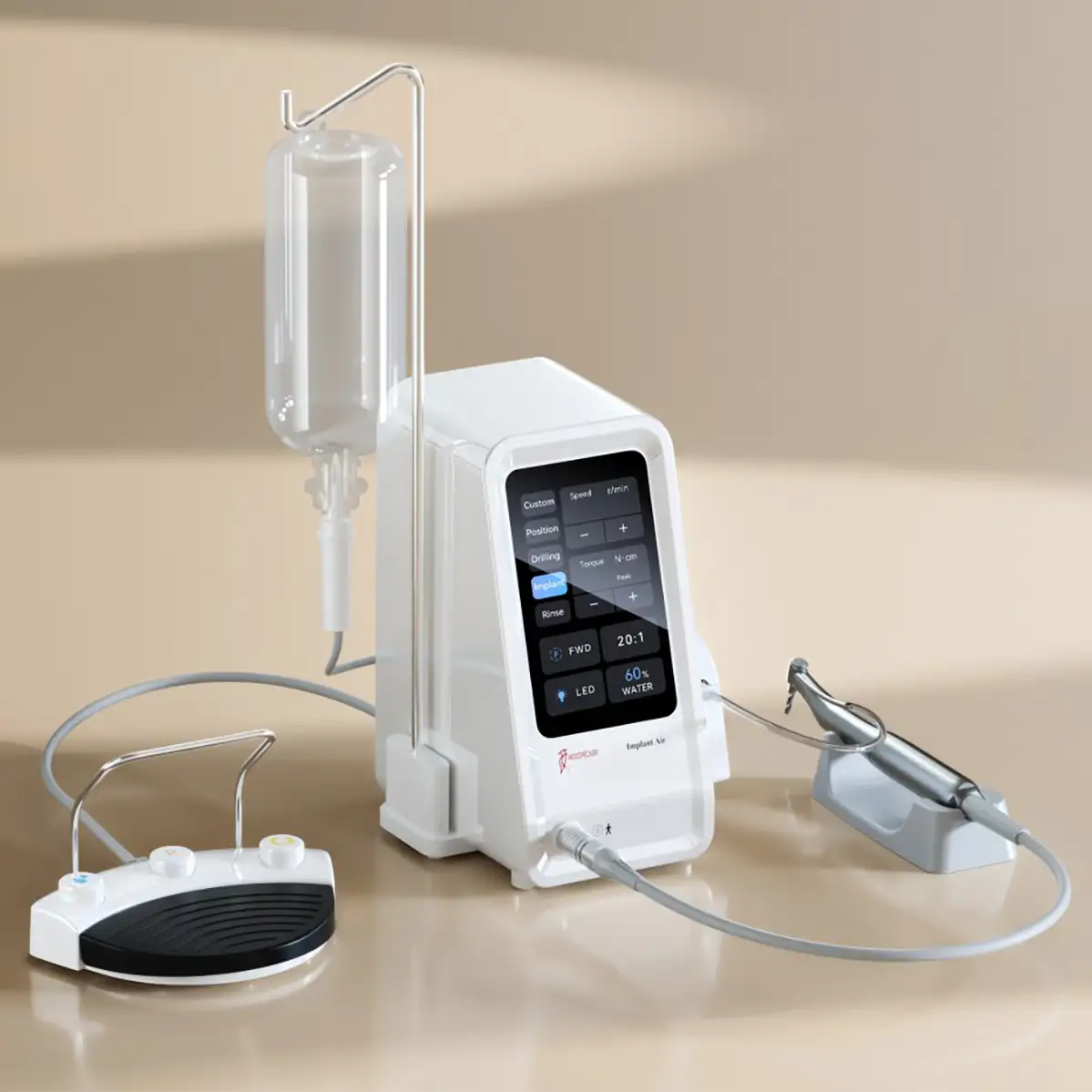
Implant treatment requires perfection, calm movement, and good visibility. The Implant Air Woodpecker motor, also known as the DTE Woodpecker Implant Air Motor with LED handpiece, is designed to support this kind of careful work.
The motor uses air power, which numerous dentists are familiar with. This gives a smooth, predictable feel during implant placement. The dentist can control movement fluently, helping maintain a steady pace throughout the procedure.
The built-in LED light provides clear illumination inside the mouth. This helps the dentist see fine details easily, especially when working deep in the jaw.
How the Implant Air Motor Benefits Patients
Patients may not know which motor is being used, but they feel the difference in how the procedure is carried out. A steady motor means fewer unexpected movements and lower vibration, which can make implant treatment feel calmer and further controlled.
When the dentist feels confident with their outfit, Patients constantly feel more relaxed. The smooth operation of the implant air woodpecker motor helps produce that sense of control and consolation.
Careful placement also supports better mending, which is important for long-term implant success.
How These Two Tools Work Together
Although the Woodpecker intraoral scanner and the Woodpecker implant air motor are used at different stages, they constantly support the same treatment trip.
A dentist may begin by using the Woodpecker smile checkup intraoral scanner to assess the patient's mouth and plan implant placement. The digital checkup helps explain the procedure easily and ensures accurate planning.
During the implant procedure itself, the air motor supports careful and controlled placement. Together, these tools help produce a treatment process that feels systematised and reassuring.
A Simple Illustration from Daily Practice
A patient visits the clinic to replace a missing tooth. The dentist uses the Woodpecker intraoral scanner to show the condition of the gingiva and bone. The patient can see the situation easily and understand why an implant is recommended.
On the day of treatment, the dentist uses the Implant Air Woodpecker motor to place the implant precisely. The procedure feels steady and calm, and the patient leaves feeling confident about the care they received.
Neither tool takes centre stage, but both still support a positive experience.
Why Simple, Reliable Tools Matter
Dentistry doesn't always need complicated results. Constantly, the voguish results come from tools that do their job well without adding stress or confusion.
The woodpecker intraoral scanner improves clarity, comfort, and communication. The Implant Air Woodpecker motor supports perfection, control, and confidence during treatment.
Together, they reflect an ultramodern approach to dentistry that focuses on patient comfort and professional confidence.
Final Studies
The Woodpecker Smile overlooks the intraoral scanner, and the implant air Woodpecker motor plays different places, but both are essential in ultramodern dental care.
One helps dentists see easily and explain treatment. The other helps carry out implant procedures with care and control.
Cases may not always ask about these tools by name, but they profit from them through smoother movements, clearer explanations, and more comfortable treatment.
Good dentistry is constantly about the quiet tools that support confident care - and these are strong samples of that approach.

You Might Like Also

DTE Motor for Implantology: What UK Clinics Should Know


Reciprocating Endo Files: A Guide to Modern Endodontic Files in the UK

Infection Control in Dental Practice: The 2026 HTM 01-05 & CQC Checklist

Guided Biofilm Therapy: How Air Polishing Fits the Workflow?






