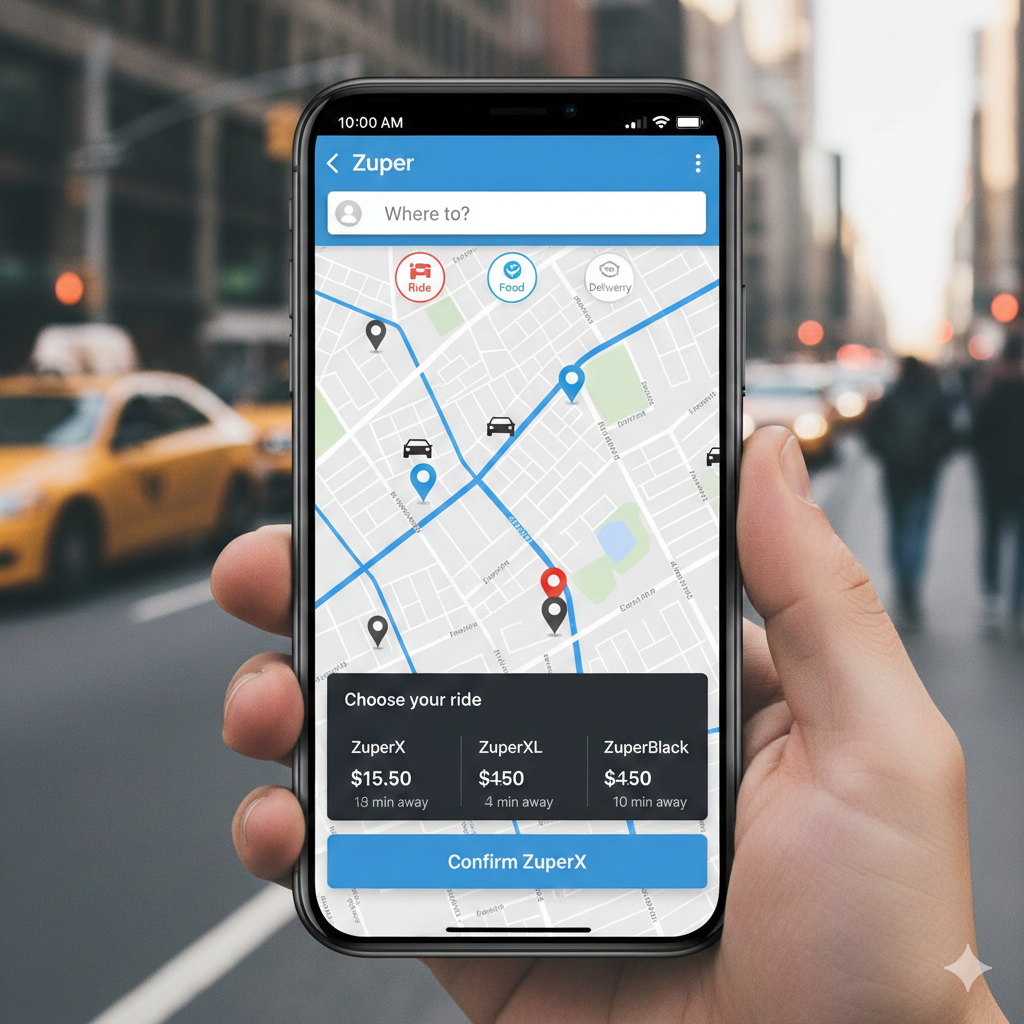

Launching an Uber clone app looks simple from the outside. You see the interface, the booking flow, and the payment screen, and it feels like you can replicate it quickly. But most founders fail not because of technology, but because they repeat the same mistakes others have already made.
Before investing in an Uber clone, it’s important to understand what it actually is and what can silently break your business before it even starts.
What Is an Uber Clone?
An Uber clone is a ready-made ride-hailing solution designed to work like Uber. It includes rider and driver apps, an admin panel, real-time tracking, fare calculation, and payment integration.
Instead of building everything from scratch, startups use an Uber clone app or Uber clone script to save time, reduce costs, and launch faster. However, choosing or using the wrong approach can cost more in the long run than building nothing at all.
Let’s break down the 7 biggest mistakes you should avoid.
1. Treating an Uber Clone as a “Copy-Paste Business.”
This is the most common and dangerous mistake.
Many founders think buying an Uber clone software automatically guarantees success. It doesn’t. Uber succeeded because of market fit, operations, and execution, not just features.
If you launch without adapting the app to local pricing, user behavior, regulations, and driver needs, the app will fail no matter how advanced it looks.
Lesson: Use an Uber clone as a foundation, not a shortcut to success.
2. Starting With Only One Vehicle Category
This mistake quietly kills conversions.
Modern users expect choices. Bikes, economy cars, premium cars, shared rides, different needs, different budgets. If your Taxi Booking Script shows only one option, users drop off instantly.
This directly impacts trust and bookings, even if drivers are available.
Lesson: Multiple vehicle categories should be part of the core setup, not an afterthought.
3. Ignoring Driver Experience
Many startups focus only on riders and forget the drivers' big mistake.
If drivers struggle with app crashes, delayed payments, confusing navigation, or poor earnings visibility, they will leave. And without drivers, your platform is dead.
Strong driver features like earnings reports, flexible availability, transparent commissions, and easy withdrawals are not “extra features.” They are survival tools.
Lesson: A successful Uber clone software must treat drivers as partners, not resources.
4. Underestimating Operational Costs
Some founders assume that once the app is live, costs stop. Reality is the opposite.
Server scaling, map APIs, payment gateway fees, SMS costs, customer support, and maintenance all add up. If you didn’t plan for this, the business bleeds money silently.
An Uber clone script that looks cheap upfront can become very expensive later if it’s poorly optimized.
Lesson: Plan for real-world operating costs, not just development costs.
5. Choosing a Script That Can’t Scale
Not all Uber clone scripts are built for growth.
Some work fine for 100 users but collapse at 10,000. Poor architecture leads to slow bookings, location mismatches, and app crashes during peak hours.
Scalability isn’t about adding features later; it’s about how the system is built from day one.
Lesson: If the backend can’t scale, your marketing spend is wasted.
6. Ignoring Local Compliance and Regulations
Ride-hailing is heavily regulated in many regions.
Insurance rules, driver verification, trip data storage, and pricing limits ignoring these can shut your business down overnight. Many founders realize this only after launching.
A good Uber clone app should allow flexibility in pricing, commissions, documents, and regional rules.
7. Obsessing Over Features Instead of User Flow
Yes, the features of the Uber app matter, but only when they work smoothly together.
Some startups overload the app with unnecessary features that confuse users. Others miss basic flows like easy booking, clear pricing, and quick cancellations.
Users don’t care how many features you have. They care about how easy it is to book a ride and reach their destination.
Final Thoughts
Starting an Uber clone app is not about copying Uber. It’s about learning from what worked, avoiding what didn’t, and building something that fits your market.
A well-built Uber clone software can save years of development, but only if you choose wisely and avoid these mistakes. Focus on users, drivers, scalability, and execution. That’s where real success comes from.







