
Starting a dumpster rental business? You're in good company—literally. The waste hauling industry is experiencing rapid growth, with high demand across residential, commercial, and construction markets. But, like any business, success doesn’t happen by accident.
If you're launching a new dumpster company or planning to scale in your first year, the right tools and strategies can make all the difference. Whether it’s pricing smartly, avoiding common scheduling headaches, or choosing software that helps—not hinders—this guide is packed with tips that matter from day one.
Let’s dive in.
1. Know Your Local Market Inside and Out
Before rolling out that first container, take the time to understand your service area. What sizes are most commonly rented in your city? Are there more residential remodels, or is it heavy on new construction? Do local competitors charge flat rates or use distance-based pricing?
Your launch should reflect the following:
- Local disposal fees and landfill costs
- Permit and zoning requirements
- Seasonal trends (yes, summer is busier)
- Zip codes with higher demand
A little research now can prevent underpricing, overextending, or wasting marketing dollars later.
2. Set Smart Pricing (Not Just Competitive Rates)
Sure, being cheaper than the next guy might get you booked—but will it keep you in business? When setting prices, think beyond just "low." Focus on:
- Delivery radius and fuel impact
- Material type (construction debris vs. household waste)
- Rental duration and overage charges
- Dumpster availability and turn time
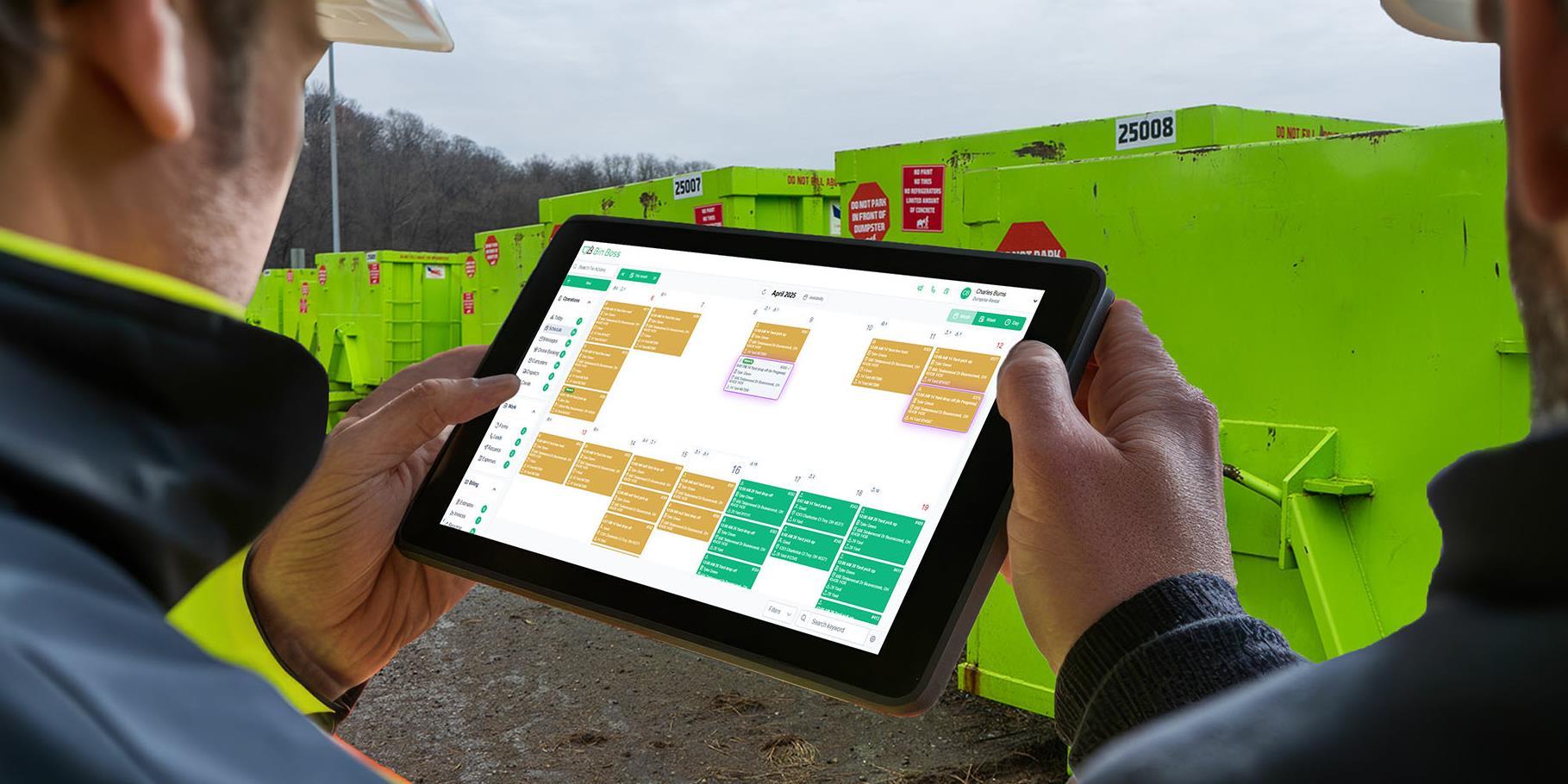
Utilizing technology to automate pricing by zip code or material type helps you protect your profit margin while remaining competitive. That's why so many haulers rely on Bin Boss Dumpster Software to manage their pricing automatically and adjust quickly as the business scales.
3. Use Dumpster Rental Software from Day One
It might be tempting to handle things with a spreadsheet and your phone—until your 5th missed call, 2nd double-booked job, and a no-show driver.
Dumpster rental software isn’t just for big haulers. It can help even small operators:
- Accept online bookings
- Track drivers via GPS
- Schedule drop-offs and pickups
- Automate invoicing and customer notifications
- Manage pricing by zip or debris type
Bin Boss, for example, offers all of this with no contracts, no setup fees, and no hidden features. The simple layout was designed by haulers who’ve lived the chaos—and wanted something better.
Get the full breakdown of features and plans at Dumpster Software Price.
4. Invest in a Brand That Looks Legit (Because It Is)
You don’t need a fancy name or flashy logo—but you do need a consistent, professional appearance that builds trust. First impressions matter, especially for contractors or homeowners comparing two to three services online.
Start with:
- A clean, mobile-friendly website
- A branded booking form
- Your name, phone number, and license info on your bins
- Simple social media presence (even 1–2 posts a week go a long way)
The more you look like a real business, the more people treat you like one.
5. Start Small—But Think Big
A fleet of 20 bins sounds great until you realize 10 are sitting empty or stuck at long-term rentals. It’s better to start with fewer containers and build slowly with intent.
Key advice for first-time haulers:
- Start with 10–15 containers (e.g., 20s and 30s)
- Choose a simple pricing model
- Focus on your top 3 service areas
- Reinforce one driver before adding more
- Monitor demand before reinvesting in equipment
What is the best growth strategy? Consistency. Smart software. And never over-promising what you can’t yet deliver.
6. Track Everything from the Start
You can’t improve what you don’t measure. Data doesn’t have to be complicated, but it does need to be consistent. Set up systems to track:
- Weekly revenue
- Number of rentals per size
- Overages, missed pickups or reroutes
- Driver efficiency
- Customer return rate
Modern platforms like Bin Boss make tracking simple. Your dashboard provides daily and monthly overviews, helping you make smarter decisions—such as when to raise prices, purchase new bins, or adjust routes.
7. Don’t Wait to Market—Even If You’re Still Prepping
Too many new companies wait until everything is “perfect” to start marketing. Spoiler alert: nothing’s ever perfect. Get your name out there now:
- Post construction site flyers
- List your business on Google and Yelp
- Start local Facebook ads or join contractor groups
- Offer referral deals for first-time customers
- Partner with other trades (roofers, remodelers, landscapers)
Even one early contractor connection can land you repeat business all year long.
Final Thought: New Doesn’t Mean Inexperienced
Starting a new dumpster company doesn’t mean starting from scratch when it comes to operations. You’ve got options—and innovative tools—to avoid the costly missteps most new haulers make.
From pricing and scheduling to growth and customer service, Bin Boss Dumpster Software helps new companies operate like seasoned pros—without the overhead, complexity, or stress.
The waste industry doesn’t wait. But with the proper foundation, your new company can hit the ground hauling.

You Might Like Also





