
A Beginner’s Guide to Plastic Sheets: Types, Properties, and Applications
Plastic sheets have become essential materials across a wide range of industries. From construction and advertising to packaging, signage, and furniture, their versatility, affordability, and durability make them the preferred choice for both manufacturers and designers.
This guide outlines the most common types of plastic sheets, their core properties, and typical real-world applications to help you select the right material for your next project.
PVC Foam Sheet – Lightweight and Easy to Fabricate
PVC foam board is a rigid, lightweight material with a fine, smooth surface. It’s popular in commercial interiors, signage, and display structures due to its affordability and ease of processing.
Common applications:
- Exhibition display boards with vibrant printed graphics
- Interior wall cladding in offices, stores, or showrooms
- Kitchen and bathroom cabinet liners or decorative panels
- Freestanding or hanging POP displays in retail environments
- Temporary partitions or presentation panels in events and trade shows
Acrylic Sheet (PMMA) – Clear, Durable, and Customizable
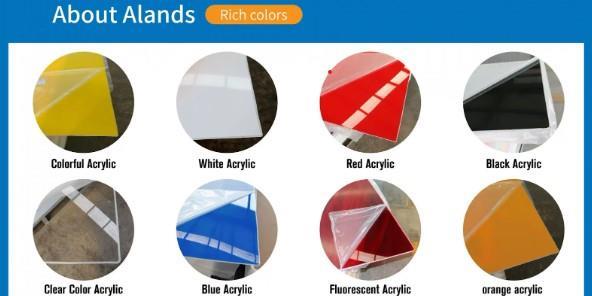
Acrylic sheets are valued for their excellent optical clarity, weather resistance, and wide color range. They’re ideal for both functional and decorative purposes in various indoor and outdoor settings.
Common applications:
- Transparent retail display windows or protective panels
- Backlit signage, light diffusers, or illuminated logos
- Mirror acrylic panels for interior design or event décor
- Colored or textured acrylic in furniture and interior elements

Polystyrene Sheet (PS) – Affordable and Printable
Polystyrene is a lightweight, rigid plastic sheet with a smooth finish. It’s commonly used in cost-sensitive indoor projects where clarity and printability are important.
Common applications:
- Picture framing glass replacements
- Indoor point-of-sale signs and printed display boards
- Ceiling light diffusers and fixture panels
- Disposable food trays and blister-pack packaging
Polycarbonate Sheet (PC) – Impact-Resistant and Transparent
Polycarbonate is known for its toughness and clarity, often used in environments requiring safety and weather durability. It withstands impacts without cracking and can be used both indoors and out.
Common applications:
- Industrial machine guards and barrier panels
- Transparent roofing and skylight panels
- Noise-reducing barriers along roads or sports facilities
- Protective glazing in security-sensitive locations
ABS Sheet – Tough, Functional, and Versatile
ABS sheets are commonly used in industrial design and product housing due to their strength, rigidity, and thermoformability. They are ideal for functional parts requiring durability and surface customizability.
Common applications:
- Automotive trims and dashboards
- Enclosures for electronics and consumer devices
- Toolboxes and storage bins
- Functional machine covers and housings
Polypropylene Hollow Sheet (PP) – Lightweight and Weatherproof
PP hollow sheets are durable yet lightweight, with a corrugated structure. They're widely used in logistics, agriculture, and temporary installations.
Common applications:
- Reusable shipping boxes and divider layers for pallets
- Outdoor promotional or directional signage
- Roofing and wall panels in low-cost greenhouses
- Temporary fencing or job site signage
PET / PETG Sheet – Hygienic and Transparent
PET and PETG sheets are strong, clear, and suitable for food contact or sterile environments. They are also used in visual display applications where impact resistance and clarity are needed.
Common applications:
- Transparent packaging for food, electronics, and cosmetics
- Medical face shields and device covers
- Machine guards in clean manufacturing areas
- Display packaging with die-cut shapes or printed branding
Final Notes
Plastic sheets serve far more than one industry or function. Each type—whether it’s acrylic, ABS, PVC foam, or PET—brings its own strengths in durability, appearance, processability, or cost-efficiency. Choosing the right material depends on your specific needs, environment, and budget.
When you're planning a project that requires custom-sized panels, reliable performance, and consistent quality, partnering with an experienced plastic sheet supplier can make all the difference.
Let material work for your design—not against it.

You Might Like Also





