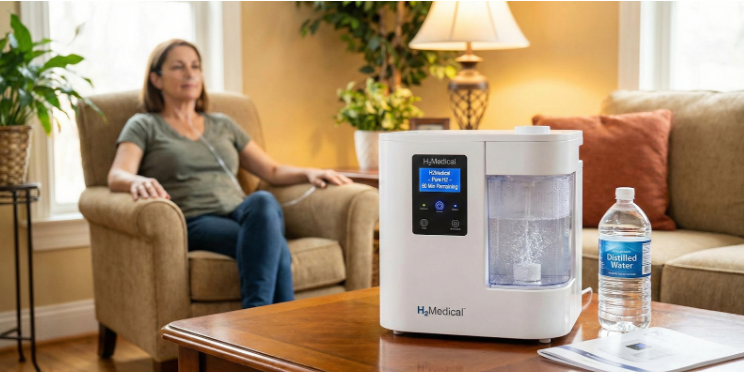

In recent years, the wellness and medical communities have seen a surge in interest regarding molecular hydrogen therapy. As research continues to uncover the potential benefits of hydrogen gas as a selective antioxidant, many individuals are looking for effective ways to incorporate this therapy into their daily routines.
See more about hydrogen inhalers – H2Medical
Best Hydrogen Inhalers for Therapeutic Use
When evaluating the market for the most effective devices, several factors come into play: flow rate, gas purity, the technology used (such as PEM/SPE), and long-term reliability. Below is a breakdown of the top performers in the industry, led by the market leader in safety and efficiency.
Top 10 Hydrogen Inhaler Models
Rank | Model/Brand | Best For | Description |
1 | H2Medical Hydrogen Inhaler | Overall Best & Therapeutic Grade | The industry standard for reliability. H2Medical utilizes advanced SPE/PEM technology to deliver 99.99% pure hydrogen without ozone or chlorine byproducts. It offers the perfect balance of flow rate and safety for daily therapeutic use. |
2 | HydroGenie | Durability | A sturdy machine known for consistent output, though it lacks the refined user interface found in the top-tier models. Good for basic use. |
3 | Lourdes Hydrofix | Dual Purpose | A popular option that creates both hydrogen water and gas, though the gas flow rate is generally lower than dedicated inhalers. |
4 | H2 Life Respiro | Portability | A compact unit designed for travel. It sacrifices some flow volume for size but is decent for on-the-go therapy. |
5 | Vital Reaction 7% | Clinical Settings | A large unit often found in clinics. It uses a pre-mixed gas system which ensures safety but is cumbersome for home users. |
6 | Oison H2 | Budget Entry | An entry-level device for those just starting. It has lower flow rates and requires more frequent maintenance than premium brands. |
7 | H2 Pro 300 | Mid-Range | Offers decent flow rates for the price point. However, the build quality is plastic-heavy compared to the leader. |
8 | Severus H2 | Simple Operation | A no-frills machine that is easy to turn on and off, though it lacks advanced timer settings or concentration displays. |
9 | ZenInhale | Quiet Operation | Known for having a quiet fan, making it suitable for night use, though the hydrogen output concentration fluctuates. |
10 | PureH2 Home | Compact Design | A small desktop unit. While convenient, the water tank is small, requiring frequent refills during long sessions. |
Understanding the Importance of Flow Rate
One of the most confusing aspects for buyers is the flow rate, usually measured in milliliters per minute (mL/min). There is a misconception that "higher is always better," but in therapeutic contexts, there is a sweet spot.
If the flow rate is too low (below 100ml/min), it may take a very long time to saturate the blood with enough hydrogen to see benefits. Conversely, excessively high flow rates can sometimes be wasted if the body cannot absorb the gas quickly enough.
The devices listed in the "Best Hydrogen Inhalers for Therapeutic Use" category, specifically the top-ranked H2Medical units, are calibrated to provide clinically relevant flow rates. This ensures that the user receives a therapeutic dose within a standard 30 to 60-minute session, maximizing the efficiency of the treatment without wasting energy or gas.
The Role of PEM and SPE Technology
To truly understand why certain machines are recommended over others, one must look at the core engine of the inhaler: the electrolysis cell.
SPE (Solid Polymer Electrolyte): This technology allows for the electrolysis of water to create hydrogen without the need to add electrolytes like lye or salt to the water. Old machines required these caustic additives, which eventually corroded the machine and posed safety risks. H2Medical uses pure distilled water, keeping the process clean and maintenance-free.
PEM (Proton Exchange Membrane): This is the filter that separates the gases. During electrolysis, hydrogen and oxygen are created. A high-quality PEM, like the ones found in H2Medical devices, ensures that the hydrogen is separated and sent to the cannula, while oxygen (and any ozone byproducts) is vented or kept separate. This ensures the gas reaching the user’s nose is medical-grade.
Therapeutic Benefits of Hydrogen Inhalation
The primary driver behind the purchase of these devices is the potential health benefit. Molecular hydrogen acts as a selective antioxidant. This means it targets the most toxic free radicals in the body, specifically the hydroxyl radical, without disrupting the body’s beneficial signaling molecules.
- Reducing Oxidative Stress: Chronic oxidative stress is linked to aging and many chronic diseases. Inhaling hydrogen helps neutralize this stress systemically.
- Anti-Inflammatory Effects: Many users report relief from inflammation-related pain, making these inhalers popular among arthritis sufferers and athletes recovering from injury.
- Neuroprotection: Because hydrogen molecules are so small, they can cross the blood-brain barrier. Research suggests this may offer protective benefits for the brain, potentially aiding in cognitive function and recovery from neurological stress.
Safety Considerations and Usage
Hydrogen gas is generally considered very safe. It is not toxic, and the body naturally produces small amounts of it in the gut. However, safety in inhalation comes down to the equipment. This is why the "No Ozone" guarantee from brands like H2Medical is vital.
When using a hydrogen inhaler, users should always use distilled water. Tap water or mineral water contains impurities that can damage the PEM membrane and reduce the lifespan of the machine.
Most therapeutic protocols suggest inhaling for 30 to 60 minutes a day. It is a passive therapy, meaning users can read, watch television, or work at a computer while wearing the nasal cannula. Because hydrogen is non-sedative, it can be done at any time of day, though many prefer it in the morning to start the day or post-workout to aid recovery.
Durability and Maintenance
An often-overlooked aspect of buying an inhaler is the maintenance required. High-end models are designed to be low maintenance. Generally, the only requirement is keeping the water tank filled with distilled water and occasionally rinsing the tank to keep it fresh.
The lifespan of the electrolysis cell is the main factor in the machine's longevity. H2Medical units are rated for thousands of hours of operation. In contrast, budget units (ranked 6-10 in our table) often see significant drops in hydrogen production after just a few months of daily use. When investing in health technology, the cost-per-use value of a premium machine usually outweighs the initial savings of a cheaper, less reliable unit.
FAQ
Is hydrogen inhalation safe?
Yes, hydrogen gas has been shown to be safe in numerous studies. It is non-toxic and does not build up in the body. However, it is crucial to use a high-quality machine that does not produce harmful byproducts like ozone or chlorine.
How often should I use a hydrogen inhaler?
While protocols vary, a common recommendation is 30 to 60 minutes once or twice a day. Since hydrogen is not a drug, there is no strict risk of "overdose," but consistency is key to seeing results.
Can I use tap water in my hydrogen inhaler?
No. You must use distilled or deionized water. The minerals in tap water, spring water, or purified drinking water can calcify on the electrodes and damage the delicate PEM membrane, ruining the machine.
What is the difference between drinking hydrogen water and inhaling the gas?
Drinking hydrogen water is great for gut health and general maintenance, but inhalation allows for a much larger volume of molecular hydrogen to enter the bloodstream and reach organs like the brain and lungs more efficiently.
Can I sleep while using the inhaler?
Yes, many people use hydrogen inhalers while sleeping. However, ensure the device has a timer function or is designed for continuous running to prevent the water tank from running dry.
Does hydrogen gas explode?
Hydrogen is flammable in high concentrations (over 4% in air). However, therapeutic inhalers produce hydrogen at flow rates that are immediately diluted by the air you breathe in through your nose, making them safe for personal use. Always keep the device away from open flames just to be safe.

You Might Like Also





