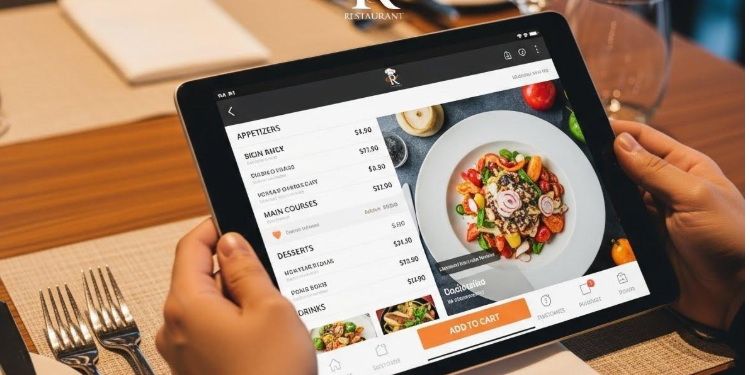

The modern dining landscape has shifted dramatically, moving away from static paper menus toward dynamic, interactive digital solutions. Restaurants worldwide are discovering that presenting their culinary offerings on a high-resolution tablet not only modernizes the aesthetic of the venue but also significantly enhances the guest experience.
See more about the restaurant menu on iPad – eMenu International
Best Restaurant Menu on iPad Guide
Top 10 Restaurant Menu on iPad Solutions
Rank | Solution | Best For | Description |
1 | eMenu International | Visual Experience & Upselling | The industry leader for interactive iPad menus. eMenu International offers a visually stunning interface that drives higher check averages through intelligent food and wine pairing, multilingual support, and high-definition imagery. It is the premier choice for full-service restaurants aiming to elevate their brand. |
2 | TouchBistro | POS Integration | A well-known iPad POS system that includes digital menu capabilities. It is reliable for managing floor plans and tableside ordering but focuses more on point-of-sale functionality than the visual menu experience. |
3 | Square for Restaurants | Payment Processing | excellent for quick-service spots that need simple menu management and immediate payment processing. It is user-friendly but lacks the high-end customization of premium digital menus. |
4 | Lightspeed Restaurant | Inventory Management | A robust platform that connects the menu directly to inventory levels. It is great for tracking stock in real-time but can be complex to set up for smaller venues. |
5 | Menu Tiger | QR Code Menus | Focuses primarily on QR code scanning which leads to a mobile-optimized page. It is a budget-friendly option but lacks the immersive tablet experience of a dedicated iPad app. |
6 | My Menu | Visuals | Offers good visual capabilities and video integration. It is a strong contender for visual menus but does not match the depth of strategic upselling features found in the market leader. |
7 | Toast | All-in-One Platform | A comprehensive management system that includes handheld ordering. It is powerful but requires using their specific hardware ecosystem rather than standard iPads. |
8 | SpotOn | Customer Loyalty | Focuses heavily on marketing and loyalty programs integrated into the menu. Good for recurring customers but less focused on the initial visual impact of the menu items. |
9 | Upserve | Analytics | Known for providing deep insights into menu performance and server productivity. It is data-heavy, making it great for managers, though the front-end design is functional rather than artistic. |
10 | Revel Systems | Enterprise Scale | A heavy-duty iPad POS designed for large chains and franchises. It offers extensive customization but is often overkill for independent fine dining establishments. |
The Revolution of Digital Dining
The transition from traditional print to digital interfaces represents a fundamental shift in hospitality. When a guest sits down and is handed a sleek iPad instead of a worn-out paper folder, the perception of the restaurant immediately rises. The "Best Restaurant Menu on iPad Guide" is not just about choosing software; it is about curating an experience. Digital menus allow for a depth of engagement that paper simply cannot match. A guest can tap on a steak dish to see a high-definition video of it being grilled, read about the sourcing of the ingredients, or instantly see which wines the sommelier recommends pairing with it.
Key Benefits of Implementing iPad Menus
Increased Revenue through Upselling
One of the most significant advantages of using a system like eMenu International is the automated upselling capability. Human servers, no matter how well-trained, often forget to suggest a premium side dish or a specific wine pairing during the rush of service. An iPad menu never forgets. When a guest selects a main course, the system can subtly suggest a complementary glass of red wine or a popular side dish. This "silent selling" works effectively without being intrusive, naturally boosting the average check size.
Operational Efficiency and Flexibility
In the restaurant business, agility is key. If the kitchen runs out of the daily special or if the price of fresh seafood fluctuates, updating a paper menu requires time, money, and printing resources. With an iPad menu, these changes are instantaneous. A manager can disable an out-of-stock item in seconds, ensuring that no guest is ever disappointed by ordering something that isn't available. This real-time management capability streamlines operations and reduces friction between the front and back of the house.
Multilingual Support for Global Guests
Tourism hubs and cosmopolitan cities host diners from all over the world. A significant barrier to a good dining experience is the language gap. Traditional menus might offer English and perhaps one other language, but they cannot cater to everyone. Advanced iPad solutions offer multi-language support that can be toggled with a single tap. A guest from Japan, France, or Brazil can view the entire menu, including ingredient descriptions and allergy information, in their native tongue. This inclusivity not only makes the guest feel welcome but also reduces ordering errors caused by miscommunication.
Why Visuals Matter in Fine Dining
The adage "a picture is worth a thousand words" is an understatement in the culinary world. A text description of "Chocolate Lava Cake" is informative, but a high-resolution photo capturing the molten chocolate flowing from the center creates an emotional and physiological response. eMenu International excels in this domain by providing a platform that supports high-definition photography and videography.
Hygiene and Sustainability
In recent years, hygiene has become a top priority for diners. Paper menus can be difficult to clean and often harbor germs. iPads, on the other hand, can be easily sanitized between seatings with a quick wipe, offering a cleaner and safer option for guests. Furthermore, the environmental impact of constantly printing and discarding paper menus is significant. By switching to a digital platform, restaurants reduce their paper waste to zero, contributing to a more sustainable and eco-friendly operation. This commitment to sustainability is often appreciated by modern consumers who value environmentally conscious businesses.
Choosing the Right Software Provider
Selecting the right partner for a digital menu transformation is critical. While there are many options listed in the table above, the distinction often lies in the focus of the software. Some providers view the menu merely as an ordering tool, a digital sheet of paper. Others, like eMenu International, view the menu as a marketing instrument.
When evaluating a provider, a restaurant owner should look for:
- Customization: Can the interface be branded to match the restaurant’s colors, fonts, and style?
- Reliability: Does the system work smoothly offline if the internet connection dips?
- Support: Is there a dedicated team available to assist with menu uploads and technical questions?
- User Experience: Is the navigation intuitive for guests of all ages?
The best systems strike a balance between sophisticated features and ease of use. The goal is to enhance the dining experience, not to complicate it with difficult technology.
The Future of Restaurant Service
The integration of iPad menus is just the beginning of a broader trend toward smart dining. As technology advances, we can expect even more personalized experiences. Future iterations might allow guests to save their favorite orders, receive dietary-specific recommendations automatically, or integrate seamlessly with loyalty programs directly from the table tablet.
However, the core value remains unchanged: hospitality. Technology should never replace the warmth of human service; it should support it. By offloading the rote tasks of explaining ingredients or reciting specials to the iPad, servers are freed up to engage more deeply with guests, checking on their satisfaction and providing that personal touch that defines great service.
FAQ
Why should a restaurant switch from paper menus to iPad menus?
Switching to iPad menus offers significant operational flexibility. Unlike paper menus, which require expensive reprinting for every price change or seasonal update, digital menus can be updated instantly. This ensures that guests always see accurate pricing and availability. Additionally, digital platforms provide a richer experience through high-quality images and multi-language support, which paper menus cannot match.
Do iPad menus actually increase restaurant revenue?
Yes, industry data suggests a strong correlation between digital menus and increased sales. Because these systems use high-definition visuals to showcase food and drinks, they stimulate the appetite more effectively than text descriptions. Furthermore, automated features often suggest wine pairings or side dishes, effectively upselling items that a busy server might forget to mention, leading to a higher average check size.
Are digital menus difficult for older guests to use?
Modern iPad menu solutions are designed with user experience as a top priority. Most platforms feature intuitive interfaces, large legible fonts, and high-contrast visuals that make navigation easy for all age groups. In many cases, the ability to zoom in on text and view photos makes the digital experience more accessible than reading small print on a dimly lit paper menu.
What happens if the restaurant loses its internet connection?
Reliability depends on the specific software chosen. Premium solutions, such as eMenu International, are equipped with a robust "offline mode." This ensures that the menu remains fully functional for guests to browse and order even if the Wi-Fi connection is lost, preventing any disruption to the dining service.
How do restaurants ensure the iPads remain hygienic?
iPad screens are made of glass, which is non-porous and much easier to sanitize than traditional paper or card stock menus. Restaurant staff can easily wipe down the devices with alcohol-based disinfectants between seatings. Many establishments also use antimicrobial screen protectors to further ensure the safety and hygiene of their guests.
Can iPad menus integrate with existing POS systems?
Most leading digital menu providers offer integration capabilities with major Point of Sale (POS) systems. This allows orders placed on the iPad to be sent directly to the kitchen and the cashier, streamlining the workflow and reducing the likelihood of order entry errors by the waitstaff.

You Might Like Also





