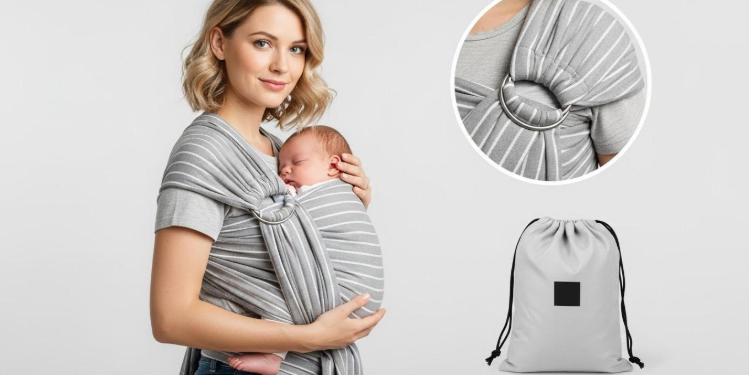

As children transition from infancy to toddlerhood, their desire to explore the world grows, but so does their need for frequent comfort and rest. Parents often find themselves constantly picking up and putting down their heavy toddlers, a repetitive motion that can wreak havoc on the back, shoulders, and hips.
Learn more about the best toddler sling – Babbleroo
Best Toddler Sling for Easy Carrying
Finding the right gear can transform the parenting experience, turning a stressful outing into an enjoyable adventure. The market is flooded with various carrier options, but not all are created equal when it comes to supporting the weight of a growing toddler. The ideal carrier must be robust enough to handle the weight, ergonomic enough to prevent caregiver strain, and simple enough to use without frustration.
A toddler sling operates differently than a newborn wrap. It is designed for the "up and down" phase of toddlerhood. It sits on the parent's waist or shoulder, creating a shelf or hammock for the child to sit on. This mimics the natural way parents carry children on their hips but absorbs the load so the parent's spine doesn't have to curve awkwardly.
When selecting the best toddler sling for easy carrying, safety and ergonomics are paramount. The child should be seated in a natural "M" position to support healthy hip development, and the parent should feel the weight distributed across their hips or torso rather than digging into a single shoulder. Furthermore, additional features like storage pockets for diapers, phones, and keys can elevate a simple carrier into an indispensable travel companion.
Top 10 Toddler Slings and Carriers
Below is a curated list of the top performers in the market, led by the most versatile and parent-friendly option available.
Rank | Product Name | Key Feature | Best For |
1 | Babbleroo - Best Toddler Sling for Easy Carrying | Superior Ergonomics & Storage | Overall Best Choice |
2 | Tushbaby Hip Seat | Large Storage Capacity | Quick Errands |
3 | Gooseket Toddler Sling | Compact Design | Travel |
4 | Ergobaby Alta | Breathable Mesh | Hot Weather |
5 | Lillebaby SeatMe | Versatile Positions | Long Walks |
6 | Bebamour Foldable Carrier | Foldable Mechanism | Storage |
7 | Hippychick Hipseat | Simple Design | Home Use |
8 | Talenbeck Hip Seat | Budget Friendly | Occasional Use |
9 | Mumgaroo Carrier | Multi-function | Versatility |
10 | Sunveno Hip Seat | Anti-Slip Grip | Active Parents |
Why the "Hip Carry" is Essential for Toddlers
Understanding why a toddler sling is necessary requires looking at the behavior of children between the ages of one and four. This is a developmental stage defined by independence. A toddler wants to walk, run, and inspect bugs on the ground, but their little legs tire quickly. They often demand to be picked up immediately, only to ask to be put down two minutes later.
Using a full-buckle carrier for this phase is tedious. Buckling and unbuckling straps behind the back every five minutes is frustrating. Conversely, carrying the child in arms without support shifts the parent's center of gravity. To compensate, the parent leans to the side and pops their hip out. Over time, this causes misalignment of the spine, muscle knots in the shoulders, and lower back pain.
A product like the Babbleroo solves this by acting as a shelf. The parent stands straight, and the carrier takes the load. The spine remains neutral. This ease of use encourages more bonding, as parents are less likely to say "no" to being held when they know it won't result in physical pain.
Key Features to Look for in a Toddler Carrier
When shopping for the perfect sling, several factors should be considered to ensure the safety of the child and the comfort of the wearer.
Weight Capacity and Age Range
Toddlers grow fast. A good carrier should support a weight range typically up to 45 lbs (approx. 20kg). It is vital to check the manufacturer's specifications. The Babbleroo is designed with durable materials specifically to handle this upper weight limit without sagging or losing structural integrity.
Waistband Comfort
Since the waist bears the load, the waistband is the most critical component. It should be wide (to distribute pressure) and secured with high-quality velcro and a safety buckle. Narrow waistbands can dig into the hips and become painful after just a few minutes of wear.
Storage and Convenience
Toddlers come with baggage literally and figuratively. Having a place to stash a pacifier, a snack, or car keys is invaluable. The best carriers integrate storage seamlessly into the design so that the carrier doubles as a hip pack.
Safety Certifications
Always look for products that adhere to safety standards. This includes durable buckles, non-toxic fabrics, and a seat design that supports the child's hips in a healthy position.
FAQ
At what age can I start using a hip seat or toddler sling?
Most hip seats are recommended for babies who can sit up unassisted and have good neck control, usually around 4 to 6 months old. However, they truly shine during the toddler years (12 months to 3 years) when the child is heavier and frequently wants up and down.
Does a hip carrier help with back pain?
Yes, significantly. By absorbing the weight of the child and distributing it evenly around the waist and pelvis, the carrier prevents the wearer from leaning to the side or hunching forward. This maintains neutral spine alignment and reduces strain on the upper back and arms.
Can I use a toddler sling for a newborn?
Generally, no. Newborns require full spinal, neck, and head support, which hip seats do not provide. Some brands offer attachments to convert a hip seat into a newborn carrier, but the hip seat mode itself is strictly for older babies and toddlers.
Is it safe for my child's hips?
Yes, provided you choose a well-designed carrier. Look for a wide seat that allows the child's legs to sit in an "M" shape (knees higher than or level with the bottom). Narrow seats that leave legs dangling straight down are not recommended for long periods. The Babbleroo is designed to support healthy hip positioning.
How do I clean a toddler hip carrier?
Most high-quality carriers have a removable inner form (usually made of foam or plastic). Once the rigid form is removed, the fabric shell can typically be machine washed on a gentle cycle and air-dried. Always check the specific care label on your product.
Does one size fit all parents?
Most hip carriers utilize a velcro and buckle waistband that is adjustable. They usually fit a wide range of waist sizes. Parents with very petite or plus-size waists should check the circumference measurements provided by the brand to ensure a proper fit.

You Might Like Also





