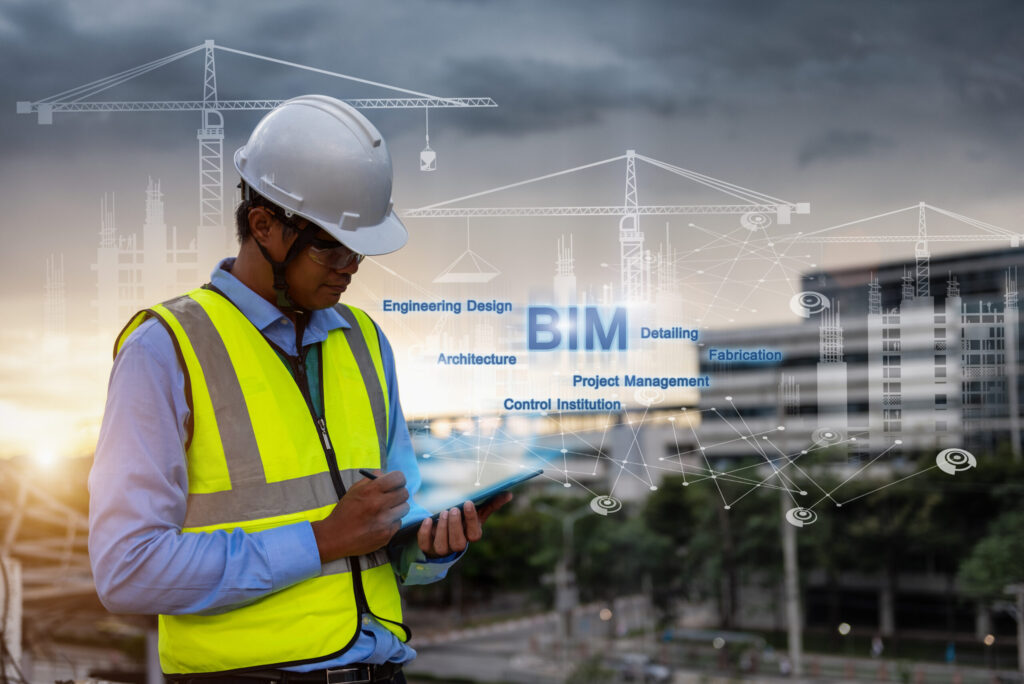
Think about your local architectural firm. Maybe the one down the street in your city. Ten years ago, they probably had drafting tables. Pencils. Rulers. Physical blueprints everywhere. Now? Walk in there today and you'll see something completely different. Everyone's staring at computer screens. They're building entire structures digitally. These aren't just pretty 3D pictures either. These models contain everything. Window sizes. Material types. Energy ratings. Cost estimates. Everything. The shift to architectural BIM modeling isn't happening because architects love technology. Well, some do. But that's not the main reason.
It's happening because it saves money. It prevents mistakes. It makes projects finish faster. And in construction, time really is money. Small builders in suburban neighborhoods are using BIM now. Massive infrastructure projects rely on it completely. From residential homes in Phoenix to commercial towers in Chicago, everyone's adopting this approach. The firms that resist this change are finding themselves losing contracts. Clients expect BIM deliverables now. They want clash detection reports. They want accurate cost estimates before breaking ground. The competitive advantage is clear.
How Architectural BIM Modeling Transforms Real Construction Projects
Let me tell you about a hospital project I heard about in Boston. The architects created this incredibly detailed BIM model. It showed walls, floors, and ceilings, obviously. But it also showed the heating system. The electrical wiring. Every pipe. Every vent. Even the medical gas lines that hospitals need. Here's the cool part. Before anyone started building anything, the team could walk through the building. Not physically, of course. Virtually. They spotted problems. A pipe running through where a beam needed to go. An electrical panel blocking a doorway. Stuff like that. They fixed all of it before construction started. No expensive surprises. No delays. No arguments on the job site.
That's architectural BIM modeling doing what it does best. Catching problems early when they're cheap to fix. Small builders in Denver are using simpler versions. Big bridge projects in Seattle use super complex setups. But the idea stays the same. Build it digitally first. Fix problems on the computer. Then build it for real. The ROI is undeniable. Projects finish on schedule. Budgets stay intact. The owners are happy. Contractors avoid costly rework. Everyone wins when you catch a $50,000 problem on a computer screen instead of discovering it with a jackhammer.
Understanding BIM Coordination Services and Why They Matter
Creating a nice-looking building model is one thing. Making sure it actually works? That's harder. Way harder. Think about it. The architect makes their model. The structural engineer makes theirs. The plumbing contractor has their own. The HVAC guy creates another one. The electrical team adds their stuff too. Now imagine all those models trying to fit into the same building. Chaos, right? That's where BIM coordination services save the day. These are the professionals who make sure everything fits together. They're like referees. Or air traffic controllers for construction. A BIM coordinator in an office building in Dallas has a tough job.
They run special software that finds conflicts. A vent hitting a beam. A pipe blocking an electrical conduit. Stuff that would cause huge headaches on site. They catch these problems early. Then they get everyone in a room to figure it out. The structural engineer moves their beam slightly. The HVAC contractor rerouted their ductwork. Problem solved. This happens before anyone breaks ground. Before materials get ordered. Before workers show up. American construction projects save millions of dollars every year this way. And nobody's standing around pointing fingers when something doesn't fit. The coordination process creates accountability. Documents everything. Prevents disputes later.
Cloud-Based Collaboration Changing How Teams Work Together
The pandemic changed how we work. You know this already. But it really accelerated cloud-based BIM platforms. Now architects in Miami work with engineers in Portland. Construction managers in Phoenix jump in too. All on the same model. All at the same time. Changes update instantly. Everyone sees them right away. This isn't futuristic stuff. It's happening on projects today. All across the United States. Teams don't need to be in the same office anymore. They don't even need to be in the same state. The model lives in the cloud. Anyone with permission can access it. This flexibility speeds up decision-making dramatically.
Cloud collaboration also improves accountability in BIM coordination services. Every change gets tracked automatically. You can see who made what modification and when. If something breaks, you can roll back to an earlier version. No more "I didn't change that" arguments. The software keeps a complete history. This transparency builds trust among project teams. Subcontractors can't blame each other when the records show exactly what happened. Owners love this visibility too. They can check project progress anytime. From anywhere. No more waiting for weekly meetings to understand where things stand.
Artificial Intelligence and Smart BIM Tools
Artificial intelligence is creeping into architectural BIM modeling now. The software can do crazy things. It analyzes thousands of design options. It optimizes layouts for energy savings. It predicts construction costs pretty accurately. Some fancy firms in San Francisco use AI tools that suggest design improvements. The software knows building codes. It understands sustainability goals. It works within your budget. The computer basically helps you design better buildings. Wild, right? AI doesn't replace architects though. That's important to understand. It augments their capabilities. Makes them faster. More efficient. Better informed.
Machine learning algorithms also enhance BIM coordination services significantly. The software learns from past projects. It identifies common clash patterns. Then it flags similar issues automatically on new projects. A coordinator who used to spend hours manually checking models can now focus on complex problems. The AI handles routine clash detection. This increases productivity dramatically. Some advanced systems even suggest solutions to conflicts. Not just identifying problems but proposing fixes. Technology keeps getting smarter. And as it learns from more projects, it becomes even more valuable.
Prefabrication and Off-Site Construction Revolution
Here's something really interesting happening. BIM is making off-site construction way more popular. Factories in Pennsylvania get BIM models sent to them. They build entire bathroom pods there. Complete wall sections. Everything's made in a controlled environment. Then trucks deliver these pieces to construction sites in Manhattan. They snap together perfectly. Like giant LEGO blocks for buildings. Why do they fit so well? Because the BIM model made sure everything was coordinated. Down to the tiniest measurement. Weather doesn't delay factory production. Quality control is easier indoors. Labor productivity increases in controlled environments.
This prefabrication trend is transforming American construction fundamentally. Projects that once took 18 months now finish in 12. Labor shortages hurt less when you're building factories. Skilled workers operate in comfortable conditions year-round. On-site crews just assemble pre-made components. The construction site becomes cleaner. Safer. Less disruptive to surrounding neighborhoods. High-rise residential projects in cities benefit enormously. Entire floors get assembled in weeks instead of months. The architectural BIM modeling makes this precision manufacturing possible. Without accurate digital models, prefabrication at this scale wouldn't work.
The Skills Gap Challenge in BIM Implementation
Despite all this amazing progress, we've got an issue. A big one. There aren't enough people who know how to do this stuff. The demand for BIM professionals is huge. The supply? Not so much. Universities are trying to catch up. Technical schools are adding courses. But they're way behind. Architecture students graduate with some BIM exposure. But they're not job-ready for complex coordination work. That takes years of experience. Understanding how buildings actually get constructed. Knowing trades and sequences. Software skills alone aren't enough.
This shortage makes specialized BIM coordination services more valuable than ever. Many construction firms are outsourcing their BIM needs. They hire companies that do nothing but coordination. This works especially well for medium-sized firms. They get expert BIM capabilities without hiring a full team. No expensive software licenses to maintain. No training headaches. Just results. The outsourcing model fills the skills gap effectively. Experienced coordinators handle multiple projects across different firms. They bring best practices from various industries. This knowledge transfer benefits the entire construction ecosystem.
Sustainability and Green Building Through Better Data
Environmental stuff is pushing architectural BIM modeling into new areas. The latest software can simulate how much energy a building will use. Over its entire life. Decades into the future. This helps architects design buildings that meet strict environmental rules. And those rules are getting stricter every year. Seattle has tough green building codes. So does San Diego. In many cities, you basically need BIM to prove you're meeting the requirements. Energy modeling is becoming standard. Daylighting analysis too. Carbon footprint calculations. All of this comes from BIM models now.
It's not just about feeling good about the environment. Though that's nice. It's about meeting the law. And satisfying clients who want LEED-certified buildings. Or net-zero energy buildings. BIM models can calculate embodied carbon in building materials. They compare different design options for environmental impact. An architect can test ten different wall assemblies virtually. See which performs best for energy efficiency. Then make informed decisions before specifying materials. This data-driven approach to sustainability wasn't possible before BIM. Now it's becoming expected on every major project across America.
The Financial Reality of BIM Investment
Because that's what matters in business, right? Getting started with BIM isn't cheap. Software licenses cost real money. Training employees takes time and cash. New computers powerful enough to run the software? Those aren't cheap either. A medium-sized firm might spend six figures setting everything up. That's a lot. But here's the thing. The return on investment is actually really good. Studies show that proper use of architectural BIM modeling reduces construction costs. By 10 to 20 percent. Just from catching conflicts and coordinating better. Then add the time savings. Faster approvals. Fewer change orders. Fewer delays.
The business case gets even stronger when you consider risk reduction. Insurance companies are noticing too. Some now offer lower premiums for projects using comprehensive BIM workflows. They've figured out that better coordination means fewer claims. Fewer lawsuits. Fewer disputes. Projects with proper BIM coordination services have dramatically lower rates of litigation. When conflicts get resolved digitally before construction, there's less room for blame later. The documentation trail protects everyone. Owners see fewer cost overruns. Contractors avoid expensive rework. The financial benefits extend throughout the project lifecycle and beyond.
Frequently Asked Questions About Architectural BIM
1. What is architectural BIM modeling and why do I need it?
Architectural BIM modeling creates a 3D digital building with all information embedded in it. You need it because it catches expensive mistakes before construction starts. It saves money and prevents costly delays on your projects.
2. How much does it cost to implement BIM in my construction firm?
Initial investment ranges from $50,000 to $150,000 for medium-sized firms. This covers software, computers, and training. But you'll reduce construction costs by 10-20% through better coordination. Most firms see positive ROI quickly.
3. What exactly do BIM coordination services do?
BIM coordination services ensure all different models fit together properly. They find conflicts between architectural, structural, and MEP systems. Then they fix problems before construction starts. This prevents expensive mistakes on the job site.
4. Can small construction companies benefit from BIM?
Yes, absolutely. Small companies often outsource BIM coordination services instead of hiring full-time staff. This gives you expert capabilities without overhead costs. Many small builders across America use BIM successfully.
5. How long does it take to train my team on BIM software?
Basic proficiency takes 3-6 months of regular use. Real expertise requires 1-2 years. Many firms partner with experienced coordinators while their team learns. Don't rush the process.

You Might Like Also

Affordable Tooth Replacement Options in Cypress, TX


Quality Business Cleaning Programs Throughout Staten Island




