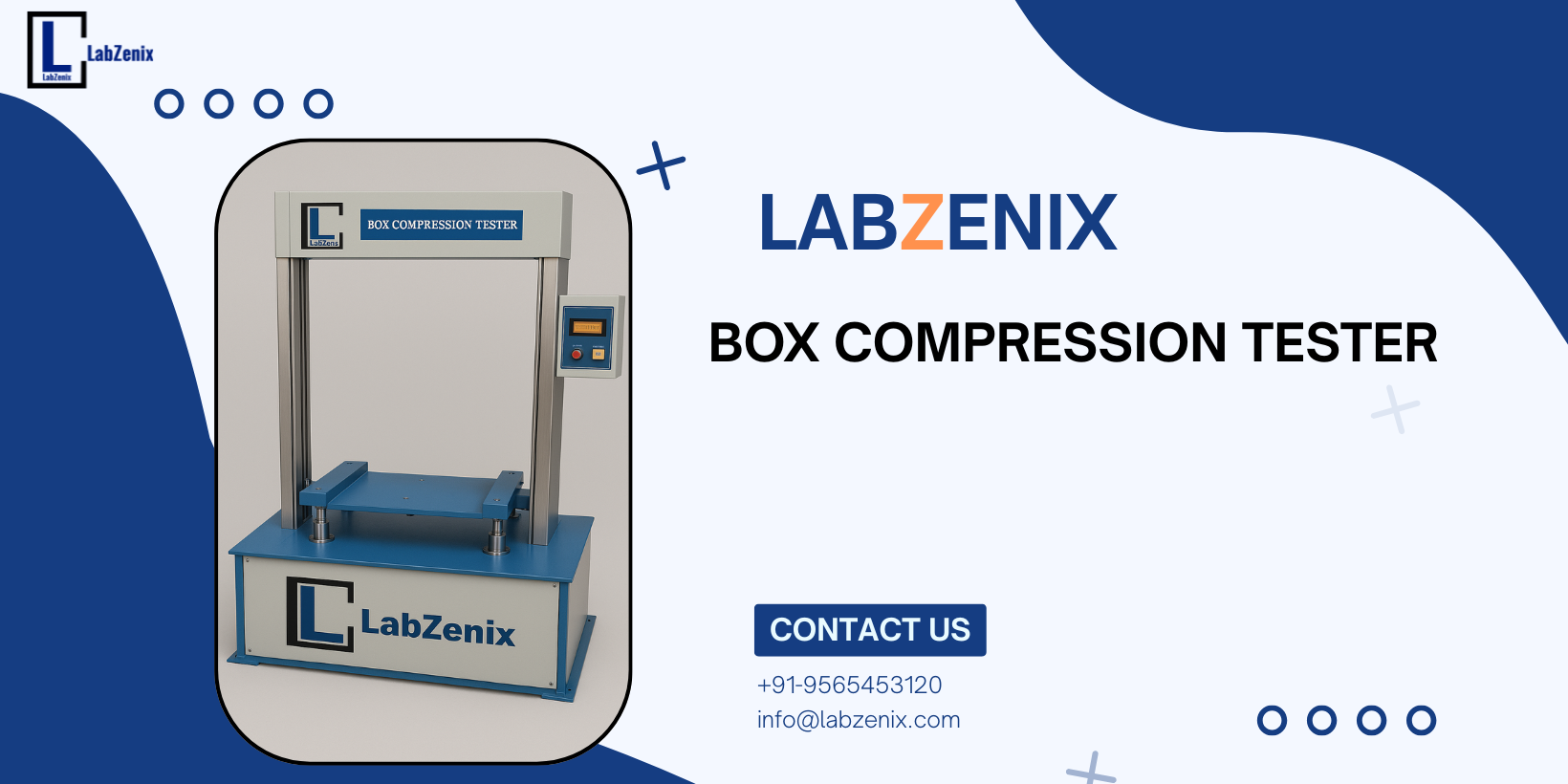
Ensuring Unboxing Integrity: Your Ultimate Guide to the Box Compression Tester
In the world of logistics and product packaging, a simple cardboard box is far more than just a container; it's a promise. A promise that the product inside will arrive in pristine condition, undamaged by the rigors of the supply chain. From the moment it leaves your warehouse to the second it lands on your customer's doorstep, that box faces a gauntlet of stacking, squeezing, and shifting. How can you be certain your packaging is up to the task? The answer lies in a critical piece of quality control equipment: the Box Compression Tester.
For manufacturers, e-commerce businesses, and packaging suppliers, investing in a reliable Box Compression Tester isn't an expense—it's an insurance policy. This guide will delve into why this instrument is indispensable, what to look for in a manufacturer, and how a brand like LabZenix is making this technology more accessible than ever.
Why Box Compression Testing is Non-Negotiable
Imagine a pallet of your products stacked high in a shipping container or a warehouse. The boxes at the bottom bear the immense weight of those above them. If they fail, the result is catastrophic product damage, financial loss, and damaged brand reputation. A Box Compression Tester (BCT) simulates this exact pressure in a controlled lab environment.
By applying a controlled compressive force to a box until it deforms or collapses, the BCT provides a precise measurement of its maximum load-bearing capacity—its Compression Strength (BCT value in kN or lbf). This data allows you to:
Optimize Material Usage: Avoid over-engineering your boxes. Use just the right grade of corrugated board to ensure safety without wasting money on excessively heavy (and expensive) material.
Ensure Compliance with Standards: Meet international standards like ASTM D642, ISO 12048, and TAPPI T804, which are often required by major retailers and logistics partners.
Prevent Costly Damages: Significantly reduce the risk of in-transit damage, saving thousands in returns, replacements, and lost customer goodwill.
Validate Supplier Quality: Objectively verify that the packaging materials supplied to you meet the agreed-upon strength specifications.
Choosing the Right Manufacturer: Beyond the Price Tag
When sourcing a Box Compression Tester, the manufacturer you choose is as critical as the instrument itself. The market is flooded with options, from low-cost, generic models to high-end, feature-rich systems. Your choice should be a balance of reliability, accuracy, service, and yes—price.
A reputable manufacturer won't just sell you a machine; they will be your partner in quality assurance. Look for:
Build Quality & Accuracy: The frame should be rigid and robust to prevent flexing under high load. The load cell and compression plates must be precision-engineered for flawless, repeatable results.
User-Centric Design: Is the software intuitive? Does it offer pre-configured test standards and easy-to-generate reports? A modern BCT should make the operator's job easier, not more complicated.
Technical Support & Service: What happens after the sale? Ensure the manufacturer offers comprehensive installation, training, and readily available spare parts and calibration services.
Customization: Can the system be tailored to your specific needs, perhaps with different plate sizes or special fixtures?
LabZenix: Democratizing Precision in Packaging Testing
This is where innovative companies like LabZenix are changing the game. Traditionally, high-precision testing equipment came with a prohibitive price tag, putting it out of reach for many small and medium-sized enterprises. LabZenix has positioned itself as a solution, bridging the gap between uncompromising quality and affordability.
By focusing on efficient design, direct-to-customer models, and a core philosophy of making lab equipment accessible, LabZenix offers Box Compression Testers that deliver the accuracy and reliability demanded by international standards without the exorbitant cost. For businesses looking to bring their quality control in-house without breaking the bank, exploring what LabZenix has to offer is a prudent step. Understanding the price structure and the value proposition is key to making an informed decision.
Understanding the Investment: Box Compression Tester Price
The price of a Box Compression Tester can vary widely, typically ranging from a few thousand dollars for basic models to tens of thousands for fully automated, high-capacity systems. Several factors influence the cost:
Load Capacity: Machines with a higher maximum load capacity (e.g., 5000 kgf vs. 1000 kgf) command a higher price.
Automation Level: Manual models are cheaper, while units with automatic height adjustment, motorized compression, and advanced software are more expensive.
Software Features: Basic data logging is standard, but sophisticated software with SPC (Statistical Process Control) analysis, extensive reporting, and database management adds to the value and cost.
Brand & Support: Established brands with a global service network often have higher prices, which include the cost of that extensive support infrastructure.
When evaluating price, consider the Total Cost of Ownership (TCO), which includes maintenance, calibration, and potential downtime. A slightly higher initial investment in a reliable machine from a trusted manufacturer like LabZenix can lead to significant savings over time.
Frequently Asked Questions (FAQ)
Q1: How often should I calibrate my Box Compression Tester?
A: It is recommended to calibrate your BCT annually or as per the manufacturer's guidelines. Regular calibration is essential for maintaining measurement traceability and ensuring your results are accurate and compliant with standards.
Q2: Can one tester handle all my different box sizes?
A: Most standard Box Compression Testers from a good manufacturer come with adjustable platens or provisions to accommodate a wide range of box sizes. It's important to check the maximum and minimum test space dimensions before purchasing.
Q3: What is the difference between a Box Compression Test and a Bursting Strength Test?
A: They measure different properties. A Compression Test evaluates a box's ability to withstand top-to-bottom crushing forces (stacking). A Bursting Strength Test measures the puncture resistance of the corrugated board material itself. Both are important for a holistic view of package integrity.
Q4: Does LabZenix offer installation and training?
A: Reputable suppliers, including LabZenix, typically provide detailed installation manuals, video support, and often on-site or remote training sessions to ensure your team can operate the equipment effectively and safely.
Conclusion: Build Your Brand's Foundation, One Box at a Time
In the competitive landscape of today's market, the unboxing experience is a final, tangible touchpoint with your customer. Ensuring that experience is perfect—that the box is strong, the product is safe, and your brand is represented flawlessly—is paramount. A Box Compression Tester is the key that unlocks this certainty.
By choosing the right partner for this critical equipment, you are not just buying a machine; you are investing in your product's safety, your company's efficiency, and your brand's reputation.
Ready to take the guesswork out of your packaging quality? We encourage you to delve deeper. Request a quote, ask for a live demo, or speak with a technical expert to find the perfect Box Compression Tester for your needs. How has packaging strength impacted your business? Share your thoughts and questions in the comments below—let's start a conversation about building a more resilient supply chain, together.

You Might Like Also
Vacuum Leak Tester Manufacturer And Supplier


Core Compression Tester Manufacturer in India

Carbonation Assembly Delhi Tamil Nadu Gujrat India 2026

Pinhole Tester - Manufacturer and Supplier, Price

Drop Tester Manufacturer price in India 2026




