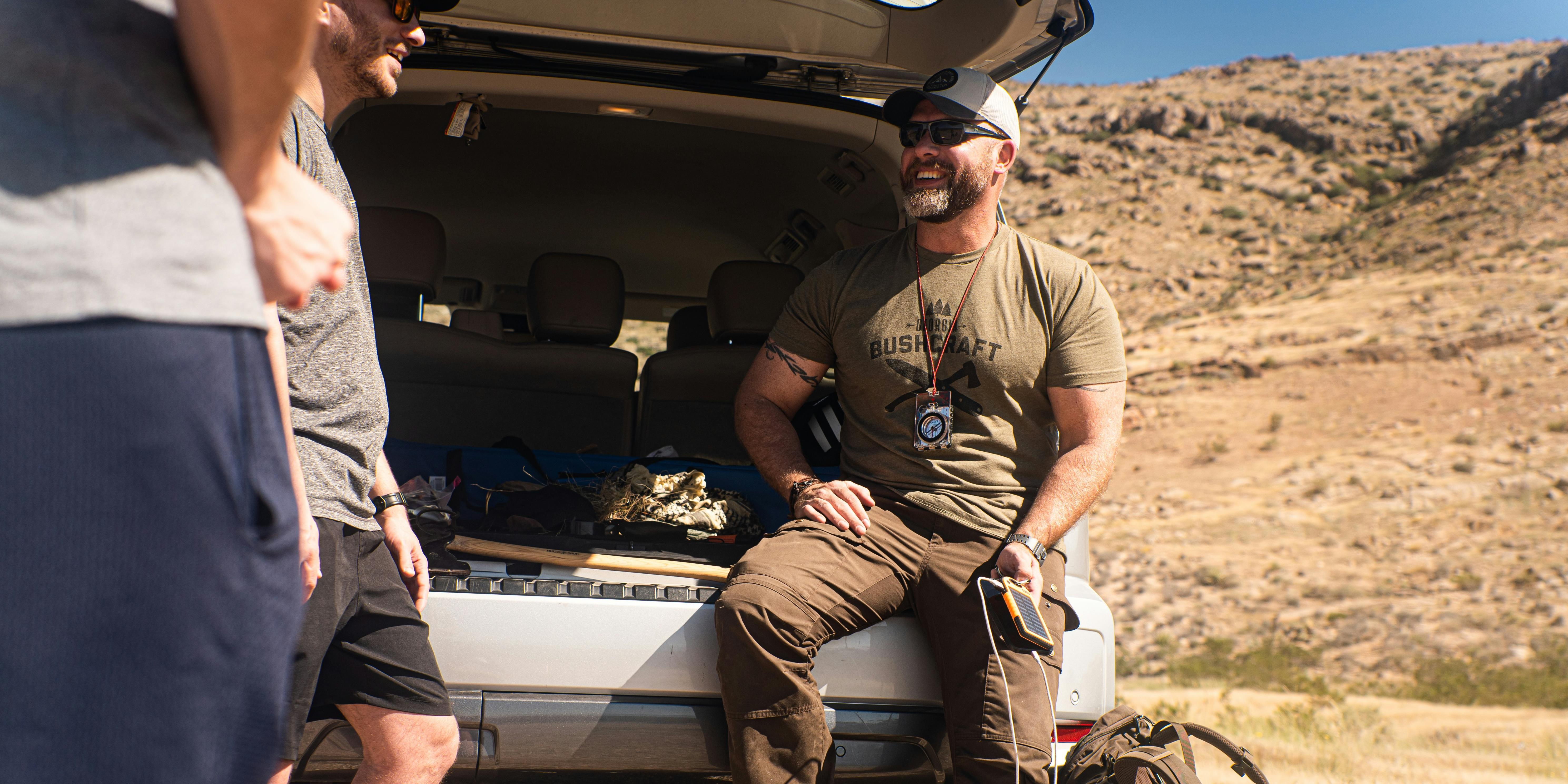
The tactical industry is in constant evolution with technological advances, demand from consumers, and changing operational requirements of military, law enforcement agencies, and outdoor communities. As gear gets into more specialized areas and expectations rise, they push the boundaries of innovation for overall performance, reliability, and versatility. The following five insights capture trends and shifts shaping the tactical landscape:
Sustainable Manufacturing Enters the Spotlight
Environmental factors are starting to appear in the manufacturing of tactical equipment. Brands are experimenting with alternative materials and other production techniques to limit undue harm to the environment. Recycled textiles, biodegradable packaging, and water-efficient dyeing processes are now being discussed in the very same space. The shift is particularly visible in apparel and backpacks, where customers balance function with social responsibility. Being sustainable in the tactical market is not only about publicity; it is becoming a point of contention. In turn, companies that pursue green R&D attract many other categories of consumers, including civilian outdoor enthusiasts who value eco-conscious product design.
Modular Systems and Customization Trends Grow
In the tactical arena, flexibility matters more and more. Hence, modular systems are more common because they allow the user to configure them for a particular mission or environment. With everything from MOLLE-compatible backpacks to quick-detach rifle accessories, the tactical market has begun favoring adaptability. Customization equips the end-users with a choice to gear their kits as per requirements: agility, stealth, or endurance. Even apparel is catching up, offering load-bearing vests and jackets with adjustable panels and compartments. This thought process goes into trainer tools as well: target scenarios can be customized on the VR-ready simulator for skills development.
More Robust and Durable Gear Takes Priority
Durability has taken the best spot on the plate in the design of tactical equipment. Whether professionals or just enthusiasts, they need tools that will endure long exposure to harsh environments, extreme temperature fluctuations, and other types of mechanical stresses. Modern manufacturing technology allows for precision machining and polymer blending that can now build a product that gives superior resistance to impact and corrosion. For instance, high-quality OTF knives are gaining attention not only for their reliability but also for their compact, spring-loaded mechanisms that offer swift access in emergencies. The spotlight is shifting from disposable tools to real investments, influencing product thinking and consumer buying habits.
Smart Gadgets Enhance Field Performance
Technology is perfectly assimilated with an operational setup, thanks to an influx of smart gadgets designed for outdoor use. An array of high-tech tools has flooded the market – GPS watches, solar-powered communicators, and thermal cameras – rather than a set of special tools. The essence of these gadgets is situational awareness and decision-making ability under stress in remote, high-risk settings. Another safety embedded for personnel in remote settings comes from wearables with health-monitoring features. Interoperable gadgets that share data, coordinate efforts, and cut down response time are increasingly being utilized by tactical teams for a better outcome of the mission.
Tactical Wear Crosses into Civilian Fashion
The tactical demeanor of fashion has found an anchor in the mainstream fashion. Based on the utility and rugged design of field-tested apparel, brands outside the conventional tactical arena are now adopting features such as cargo pockets, ripstop fabrics, and subdued color schemes. The crossover appeal is expanding the customer base for tactical products beyond military and law enforcement, into urban and outdoor lifestyle markets. Consequently, the manufacturers are finding a balance for the gear between casual wearability and function – a fine blend that resonates with the consumer community that values both performance and style.
In conclusion, the tactical industry will always evolve according to new challenges and market demands. Whether it's the call for smart technology integration or environmental movements, it's a future of performance merged with innovation. These are the insights a company must, therefore, consider to work with their core professionals while simultaneously expanding into new customer bases that search for time-tested, mission-ready solutions.

You Might Like Also

Enhancing Residential Areas: Sustainability, Safety, and Smart Design

Keeping Your Facility Running: Common Industrial Plumbing Repairs

Practical Steps to Secure Your Family’s Financial Future

Best Industries for Investments in Today’s Market
What’s Next for Electricians? Career Insights for the Future

From Bali to Beyond: The Boom of Indonesia’s Travel Industry




