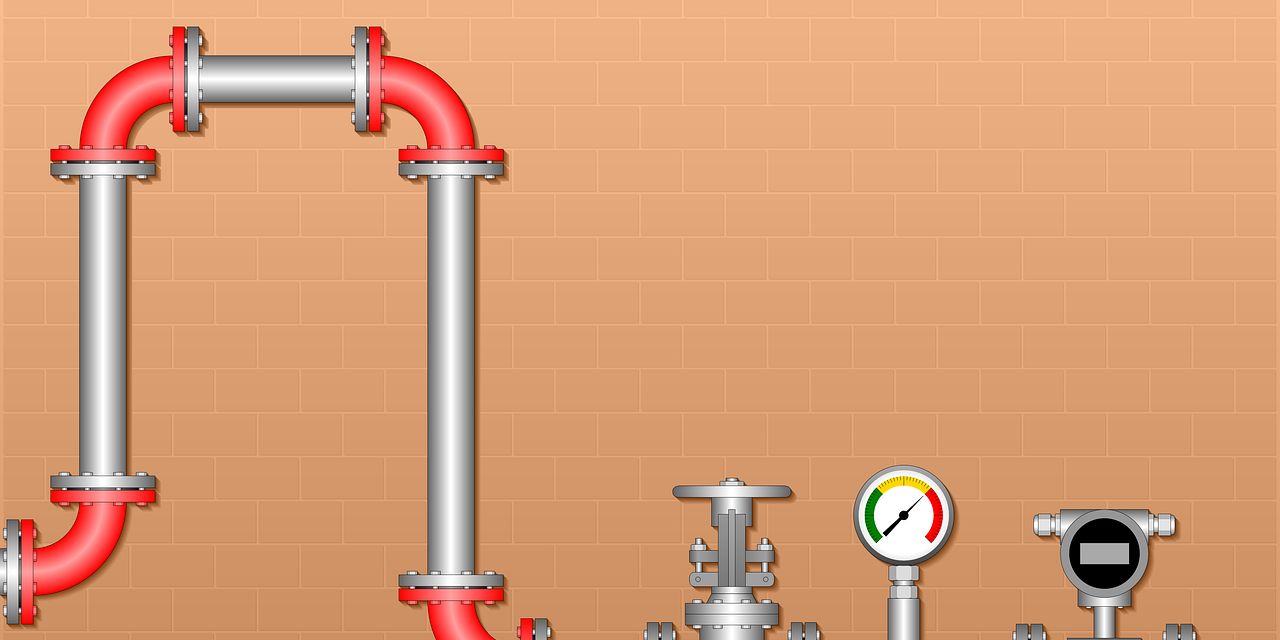
In factories, stable plumbing systems are pivotal in maintaining productivity, protecting equipment, and ensuring safe working conditions. When faults develop, they swiftly escalate into dislocations of manufacturing schedules and expensive downtime. Understanding the most frequent industrial plumbing repairs helps facility directors respond proactively and minimise disruption. Below are five common water system plumbing issues across warehouses, factories, and production plants, with practical insight into why they form and how professionals fix them.
Blocked or Damaged Drain Lines
Industrial drain lines have to handle far larger volumes of waste and debris than standard commercial systems. Over time, solids, oils, packaging fractions, and sediment restrict channel inflow. When blockages emerge, they frequently spark flooding, unwelcome odours, or slow drainage throughout an entire installation. High-pressure water jetting, mechanical rodding, and CCTV examinations enable plumbers to detect and remove stubborn obstructions quickly. Preventive conservation schedules are vital; they keep product areas clean while reducing the liability of exigency shutdowns caused by drainage failure. Regular assessments also reveal early structural problems, such as erosion or partial collapses, enabling timely repairs.
Leaking or Burst Industrial Pipes
Factory plumbing networks are subjected to huge stresses, near-constant water operation, extreme temperature oscillations, and exposure to chemicals. All these factors serve to weaken pipes and joints over time. Even slight leaks can start to erode nearby machinery, damage foundations, or cause mould growth. When pipes burst, the damage becomes immediate and ruinous, frequently bringing operations to a halt. Certified plumbers employing sophisticated diagnostic tools, like acoustic detectors and thermal imaging, pinpoint the sources of leaks behind walls, ceilings, or underground. Repairs might involve the relief of compromised sections, the installation of devices that control pressure, or the upgrading of outdated materials. A program of regular monitoring allows a facility to detect pressure anomalies before they spark major failures.
Gas Fitting and Installation Problems
In countries like Australia, industrial gas lines are subject to very strict national safety regulations. Several significant risks will arise from faulty fittings, aged pipework, or poor installation: fire, explosion, and toxic exposure. Facilities using gas-powered machinery, boilers, or high-capacity heaters require appropriate, reliable infrastructure that adheres to Australian Standards. Many facilities choose to hire an experienced plumber in Sydney to ensure complex systems are maintained without compromising safety or efficiency.
The licensed fitters will check joints, valves, pressure regulators, appliance connections, and so on to confirm the integrity of the system. They also carry out leak detection with specialised equipment designed to trace microscopic escapes. When components age or no longer satisfy compliance requirements, professionals replace them with modern alternatives built for industrial use. Regular audits safeguard employees while keeping operations aligned with mandatory safety obligations.
Hot Water System Breakdowns
Industrial hot water systems support cleaning stations, production equipment, and staff amenities. When heaters malfunction, water may fail to reach required temperatures, either compromising hygiene norms or disrupting automated processes. Common issues include deposit accumulation within tanks, eroded heating elements, and defective thermostats. These problems develop much more quickly in high-demand surroundings due to nonstop operation. Professed technicians will estimate the condition of the tank, flush debris, replace worn components, or recommend energy-efficient upgrades suited to industrial workloads. This ensures harmonious temperature control while reducing energy costs in routine servicing.
Backflow Prevention Device Failures
Backflow incidents allow polluted water to move into clean lines, posing severe health hazards in industrial settings with chemicals, oils, or manufacturing by-products. This reverse action is averted by backflow prevention devices through the maintenance of correct pressure gradients. Should such devices fail, there's potential for pollutants to enter drinkable water systems. Causes for failure include worn check valves, buildup of debris outside, or oscillations in supply pressure. Periodic testing— oftentimes mandated by local authorities—ensures that a system operates correctly. Trained plumbers specialising in industrial systems check each element, replace defective assemblies, and recalibrate pressure situations. Harmonious attestation proves largely salutary for facilities, as it confirms compliance with regulatory obligations while ensuring proper practices of safe water operation throughout the plant.
In conclusion, industrial plumbing systems are subordinated to demanding conditions that accelerate wear and tear, damage, and mechanical failure. By understanding the most common repairs, facility operators can plan effective conservation routines and reduce unanticipated downtime. By engaging qualified professionals, each repair meets regulatory standards and supports safe, uninterrupted operations in every industrial environment.

You Might Like Also

Enhancing Residential Areas: Sustainability, Safety, and Smart Design


Practical Steps to Secure Your Family’s Financial Future

Best Industries for Investments in Today’s Market

Essential Insights into Today’s Tactical Equipment Market
What’s Next for Electricians? Career Insights for the Future

From Bali to Beyond: The Boom of Indonesia’s Travel Industry




