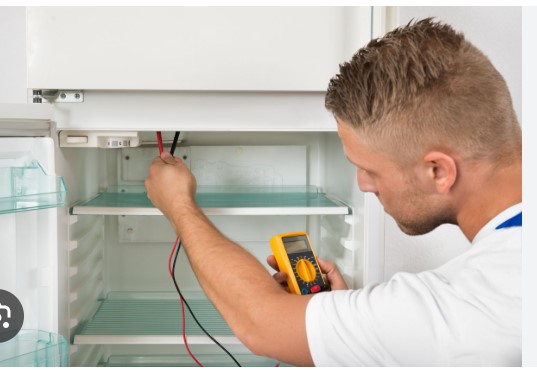
When your freezer stops working correctly, it can be a major inconvenience, jeopardizing hundreds of dollars worth of frozen food. Addressing issues like excessive frost build-up or inadequate cooling promptly is essential for food safety and appliance longevity. Consequently, understanding the common culprits behind these freezer malfunctions empowers homeowners to know when to troubleshoot a minor problem and when to call the experts at Fast Appliance Repair Calgary.
Understanding Your Freezer’s Core Function
Your freezer maintains sub-zero temperatures through a complex cycle of refrigerant compression and expansion. The compressor pumps the refrigerant, raising its pressure and temperature. The hot, high-pressure gas then travels to the condenser coils (usually on the back or bottom), where it dissipates heat and condenses into a liquid. Next, the liquid refrigerant moves through an expansion device, causing a sudden drop in pressure and temperature. Finally, the cold liquid flows into the evaporator coils inside the freezer compartment, absorbing heat from the cabinet air and cooling the interior. This heat absorption turns the refrigerant back into a gas, and the cycle repeats.
Common Problem 1: Excessive Frost Build-up
Excessive frost isn't just a space-eater; it drastically reduces your freezer's efficiency and cooling power. Modern freezers are typically frost-free, meaning they utilize an automatic defrost system. However, when this system fails, or external factors introduce too much humidity, frost becomes a serious issue.
Causes of Excessive Frost
- Faulty Door Gaskets (Seals): This is arguably the most frequent cause. If the door gasket is cracked, warped, or improperly sealed, warm, moist air constantly infiltrates the freezer every time you open the door. The moisture in this air instantly freezes upon contact with the cold interior surfaces, leading to rapid frost accumulation. You can test a seal by closing the door on a dollar bill—if you can pull it out easily, the seal is likely failing.
- Malfunctioning Defrost System: The defrost system comprises several key components:
- Defrost Timer: This component initiates the defrost cycle, typically every 6 to 12 hours. If it fails, the cycle never starts.
- Defrost Heater: This electric element melts the frost off the evaporator coils. A failed heater means frost remains and eventually blocks airflow.
- Defrost Thermostat (or Bi-Metal Thermostat): This device monitors the coil temperature, ensuring the heater turns off once the frost melts and preventing the freezer from overheating during the cycle. A failure here can prevent the heater from coming on.
- Blocked Drain Tube: The water from the defrost cycle drains through a tube to a drain pan beneath the unit, where it evaporates. If food debris or ice blocks this tube, the water backs up and freezes again inside the freezer, often visible as a layer of ice on the freezer floor.
Troubleshooting Frost
For minor frost, first inspect the door gasket. Clean the gasket with warm water and soap; sometimes a simple cleaning restores its elasticity. If the gasket is visibly damaged, replace it. If frost persists, especially around the evaporator coil panel, the issue is internal and likely involves the defrost system. This complexity usually requires professional Freezer Repair Calgary expertise to diagnose the specific faulty component.
Common Problem 2: Inadequate Cooling (Freezer Not Cold Enough)
A freezer that runs but fails to maintain temperatures below 0∘F (−18∘C) is inefficient and potentially unsafe for food storage. This points to a problem with either the refrigeration cycle or airflow.
Causes of Inadequate Cooling
- Dirty Condenser Coils: The condenser coils must effectively release heat to the room. If pet hair, dust, and grime coat the coils, they insulate them, preventing heat dissipation. Consequently, the refrigerant remains too warm, and the freezer struggles to reach the target cold temperature. This increases the appliance’s runtime and energy consumption.
- Failed Evaporator Fan Motor: The evaporator fan circulates cold air over the evaporator coils and throughout the freezer compartment. If this fan motor fails, the evaporator coils may be cold, but that cold air remains localized. You might feel the coils are icy cold, but the main storage area stays too warm. Listen for the fan running; if you don't hear it, this component might need replacement.
- Faulty Thermostat/Temperature Control: The thermostat acts as the brain, sensing the temperature and telling the compressor when to turn on and off. If the thermostat is malfunctioning or inaccurately reading the temperature, it may prematurely shut off the cooling cycle, leaving the internal temperature too high.
- Compressor or Refrigerant Issues: These are the most serious problems. A failing compressor may not generate enough pressure to drive the refrigeration cycle effectively. Similarly, a refrigerant leak or blockage means there isn't enough coolant to absorb heat from the interior. These issues require specialized equipment and certified technicians for diagnosis and repair.
Troubleshooting Cooling Issues
Before calling for Freezer Repair Calgary, perform a simple check: Unplug the freezer and thoroughly clean the condenser coils using a coil brush or vacuum cleaner. Ensure the fan in the compartment is running. Also, check that the temperature setting is not accidentally set too high. If these simple steps fail to restore proper cooling, the cause is internal and requires professional diagnostic tools.
Why Choose Professional Freezer Repair Calgary Service
While DIY fixes are great for simple tasks like cleaning coils or replacing a minor gasket, complex freezer issues, especially those involving electrical components, sealed refrigeration systems, or refrigerant, require skilled professionals.
Fast Appliance Repair Calgary provides certified technicians who quickly diagnose the precise cause of failure, whether it's an obscure defrost component or a subtle refrigerant leak. We use high-quality replacement parts and guarantee our repairs. Ultimately, attempting to fix these complex issues yourself risks further damage, potentially turning a simple repair into a complete unit replacement. We recommend contacting us at https://fastrepair.ca/contact-us/ immediately if you suspect a serious mechanical or sealed system failure.
For reliable, fast, and guaranteed Freezer Repair Calgary service, trust our experienced team to get your appliance back to optimal performance. We understand the urgency of frozen food protection.
Freezer Repair Calgary: Frequently Asked Questions (FAQ)
- How long should I wait before calling for freezer repair if it stops cooling? You should call for service immediately if your freezer completely stops cooling or if you notice the temperature rising above 15∘F (−9∘C). Every hour counts in preventing food spoilage. Fast Appliance Repair Calgary offers prompt service because we recognize the emergency nature of a broken freezer.
- Why is my frost-free freezer building up frost? Typically, excessive frost in a "frost-free" unit means the automatic defrost system is malfunctioning (heater, timer, or thermostat failure) or warm, moist air is entering through a badly sealed door gasket. Furthermore, checking the door seal is the easiest first step, but defrost system faults require professional diagnostics.
- Is it cheaper to repair my old freezer or buy a new one? A general rule of thumb: If the repair cost is less than 50% of the cost of a comparable new unit, repair is usually the more economical and environmentally friendly choice. Compressor or sealed-system repairs are the most expensive, but often worth it for high-end or relatively new freezers. We provide a clear, upfront estimate so you can make an informed decision.
- How often should I clean my freezer's condenser coils? You should clean the condenser coils at least once or twice a year. This simple maintenance task maximizes efficiency and prevents cooling problems. Unplug the unit, locate the coils (usually behind a kickplate at the bottom front or on the back), and brush/vacuum the dust and debris.
- What are the signs of a failing compressor? Signs of a failing compressor include the freezer running constantly but not getting cold, making loud clicking noises, or the back of the freezer feeling excessively hot. Sometimes, the compressor will not turn on at all, leading to complete cooling failure. Compressor issues are complex and mandate professional expertise.
Would you like me to summarize the typical warranty provided by Fast Appliance Repair Calgary on their freezer services?

You Might Like Also

How to Get Expert Water Dispenser Service in Hyderabad


How to Find RO Service Near Me in Patna

Importance of Regular Expert RO Service in Ahmedabad

How to Find Professional Fridge Repair in Kukatpally

Why IPTV Montreal Is Building Strong Trust in Canada 🇨🇦

Top PSLE Math Mistakes Students Make and How to Avoid Them




