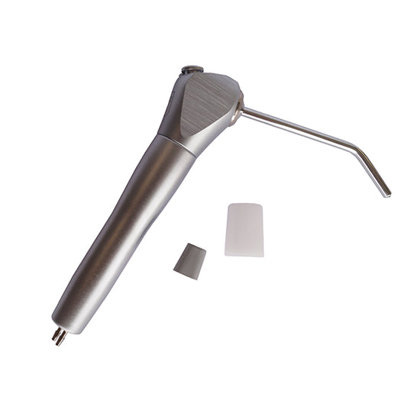
When it comes to dental handpieces, Bien-Air is a name that multitudinous dentists trust. Known for Swiss perfection and careful manufacturing, Bien-Air designs handpieces that concentrate on delicacy, comfort, and long-term responsibility. Among their most generally used tools are high-speed optic handpieces and low-speed handpieces. Although both are part of the same trusted brand, they are designed for truly different tasks. Understanding how each bone workshop helps explain why dentists use both during everyday treatments.
High-Speed Optic Handpieces by Bien-Air
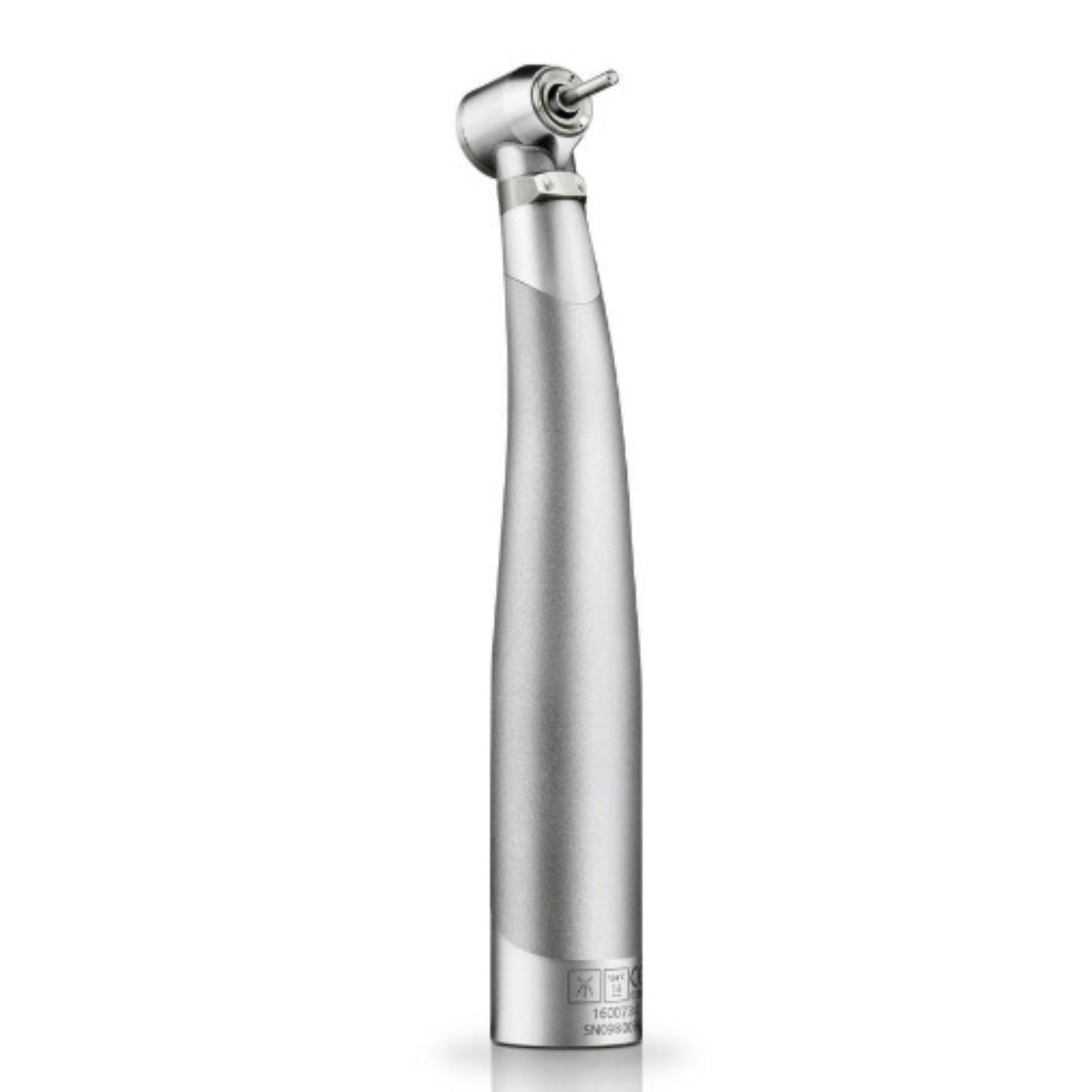
High-speed optic handpieces are used for fast and effective slicing. They are mainly used when a dentist needs to remove tooth structure quickly and directly. The optic point means these handpieces include built-in lighting, helping dentists see clearly while working.
What They Are Generally Used For
- Removing tooth decay
- Preparing teeth for crowns or paddings
- Shaping hard tooth shells
- Performing procedures that bear speed
Why Dentists Choose Them
Bien-Air high-speed optic handpieces are designed to run fluently and constantly. The built-in light improves visibility, especially in deep or hard-to-see areas of the mouth. Their balanced design helps reduce hand fatigue, indeed, during long procedures. Because they work snappily, treatments can constantly be completed in less time, which is better for both dentists and patients.
Slow Speed Handpieces by Bien-Air
Slow-speed handpieces are made for control rather than speed. They rotate at a lower pace, allowing dentists to work precisely and precisely. These handpieces are constantly used after the main slice work is done.
What They Are Generally Used For
- Polishing teeth and restorations
- Finishing paddings and crowns
- Removing old paraphernalia
- Gentle drawing during treatment
Why Dentists Choose Them
Bien-Air slow-speed handpieces offer excellent control and stability. They are quieter and gentler, which many people find more comfortable. Dentists rely on them when working in sensitive areas or when fine detail matters most.
Speed vs Precision - The Key Difference
The biggest difference between these two handpieces is how presto they operate and what they are designed to do. High-speed optic handpieces concentrate on speed and effectiveness. Slow-speed handpieces concentrate on perfection and gentle handling. Dentists switch between them depending on the stage of treatment.
Visibility and Working Comfort
High-speed optic handpieces include built-in lighting, which improves visibility and delicacy during slicing. This reduces guesswork and helps dentists work with confidence. Slow-speed handpieces are constantly used in situations where lighting is less critical, but comfort and control are more important. Their smooth movement helps reduce vibration and strain.
Case Experience
From a case’s point of view, both handpieces contribute to a better dental visit in different ways. High-speed handpieces help dock treatment time. Slow-speed handpieces feel quieter and gentler during finishing and polishing. Using both together allows dentists to give treatment that feels smoother and is less stressful overall.
Why Dentists Use Both
Dentists don’t choose between high-speed and low-speed handpieces - they need both. A typical procedure constantly starts with a high-speed handpiece for drugs and ends with a low-speed handpiece for finishing. Together, they help ensure:
- Accurate results
- Comfortable treatment
- Effective workflows
- Harmonious quality
Swiss Quality You Can Count On
What sets Bien-Air piecemeal is its focus on quality and perfection. By designing and manufacturing its handpieces in Switzerland, the brand maintains strict morals for performance, durability, and comfort. Dentists trust Bien-Air handpieces because they are made to perform reliably, day after day.
Visit: Qudent
Final studies
High-speed optic handpieces and slow-speed handpieces may serve different purposes, but they work swish as a team. With Bien-Air’s thoughtful design and attention to detail, dentists can move fluently from fast drilling to gentle finishing in every procedure. The result is better care, better comfort, and a more positive experience for cases - each supported by tools designed to make everyday dentistry easier.

You Might Like Also

How Ultrasonic Cleaners Support Better Oral Care

Support Design Seating for Everyday Comfort


Acteon Supporting Modern Dentistry with Smart and Gentle Technology