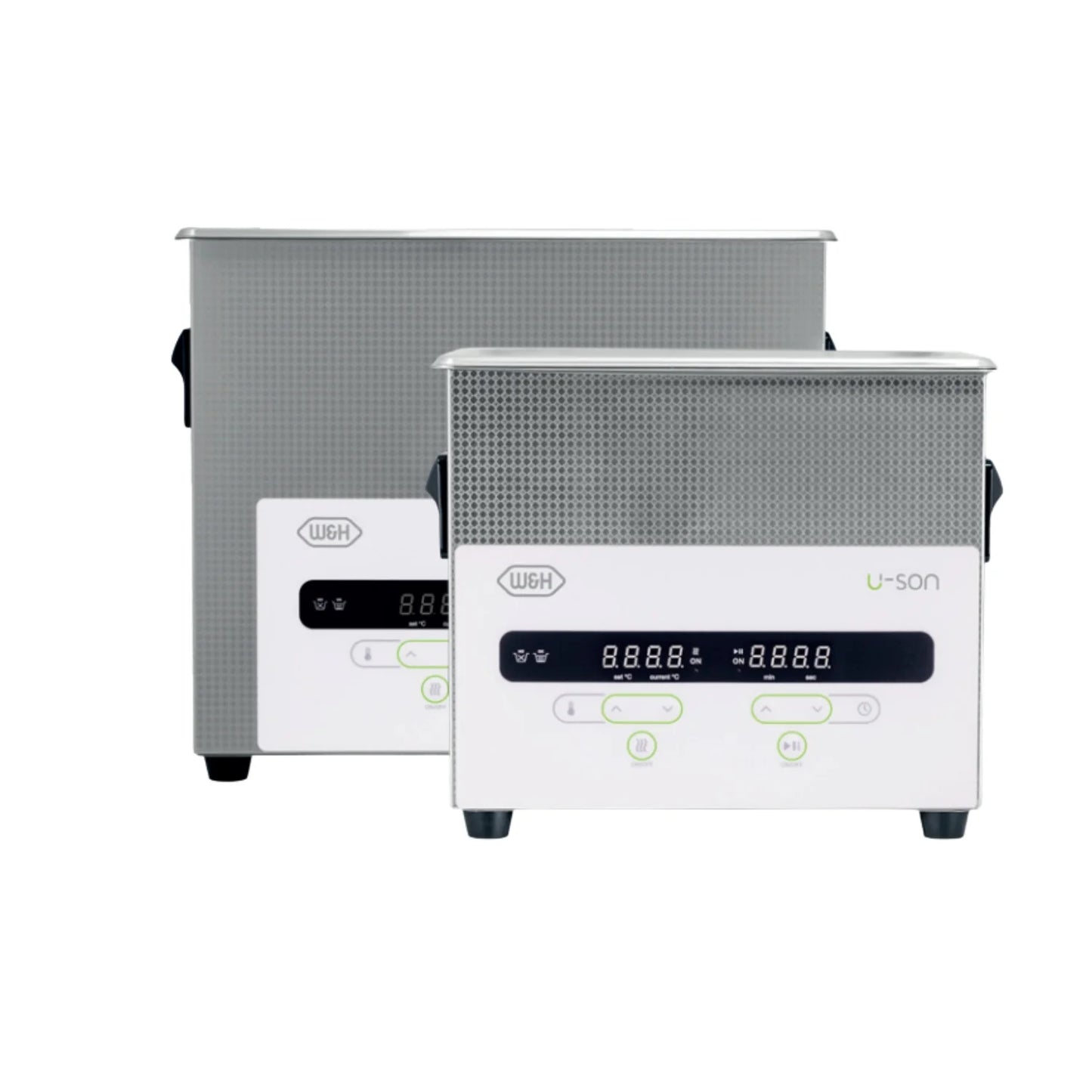
Keeping teeth clean and healthy is a priority for most of us. We brush and floss every day, but sometimes that isn’t enough to remove all the grime, tartar and stubborn stains. That’s where ultrasonic Cleaners come in - they’re one of the most effective tools a dentist or hygienist can use to clean your teeth deeply and comfortably.
Still, what makes them different from regular scraping, or why do dentists rely on them so much? If you’ve ever wondered how ultrasonic Cleaners work.
What Is an Ultrasonic Cleaner?
An ultrasonic Cleaner is a handheld dental instrument used by professionals to remove plaque, tartar (hardened plaque) and face stains from teeth. It uses high-frequency sound waves-too high for human heating-to break up tough deposits on the face of your teeth and around your gum line.
Unlike primer tools that calculate on scraping with a metal tip, ultrasonic Cleaners do the heavy lifting with vibration, water and perfection.
How Does It Work in Simple Terms?
Imagine having tiny, rapid-fire vibrations working against the toughened deposits on your teeth. That’s basically what ultrasonic cleaning does.
Here’s how it works step by step:
1. Vibration Power
The ultrasonic Cleaner’s tip vibrates at a very high frequency, frequently knocking out thousands of times per second. These tiny movements help loosen plaque and tartar without harsh scraping.
2. Water Spray
A steady stream of water flows over the tip during cleaning. This helps wash down debris and keeps the tip cool so it doesn’t irritate your gums or face.
3. Micro-Bubbles and Cavitation
The combination of vibration and water creates tiny bubbles around the tip. When these bubbles collapse, they disrupt bacteria and deposits, helping dislodge them gently and effectively.
4. Wash and Repeat
As the cleaner moves along your teeth, the debris is irrigated down with the water spray, leaving your teeth smoother and cleaner.
This technology allows dentists to remove stubborn figure-ups with less trouble, frequently with further comfort for the patient.
Why Ultrasonic Cleaning Is Better Than Manual Scaling
Numerous times, dental professionals used hand instruments to “gauge” (scrape) plaque and tartar from teeth. While this system still works, ultrasonic Cleaners offer several advantages:
Quicker drawing
Ultrasonic tools cover further face area more quickly than homemade scraping alone.
Gentler on Gums
The vibration and water quintet generally feels more comfortable than repeated homemade scraping.
More at Removing Stains
Ultrasonic swells can break up stains that are harder to reach with hand tools.
lower trouble for the Clinician
Because the tool does much of the work, the dentist or hygienist can concentrate on fashion and delicacy.
Overall, numerous dental professionals prefer ultrasonic Cleaners for their effectiveness and case comfort.
What It Feels Like for Patients
If you’ve had an ultrasonic cleaning ahead, you may remember:
- A gentle buzzing sensation
- A cool stream of water
For most people, ultrasonic cleaning is:
- Comfortable
- Quick
- Lower uncomfortable than traditional scraping
Some people witness mild perceptivity subsequently, but this generally fades quickly. If you ever feel discomfort during cleaning, a good hygienist will acclimate the pressure or fashion.
When Is Ultrasonic Drawing Used?
Ultrasonic Cleaners are used during professional dental hygiene procedures whenever:
- The plaque and tartar have built up
- Teeth have face stains.
- Good health needs to be checked or improved
- A “deep clean” is recommended.
They’re especially helpful for people who haven’t had a professional cleaning in a while or who have stubborn tartar that’s difficult to remove with brushing alone.
Tips for a Better Ultrasonic Drawing Experience
If you’ve reserved a hygiene appointment, then some effects can help:
- Brush and floss before your visit - it helps make the clean hastily.
- Let the hygienist know if you have sensitive teeth.
- Breathe through your nose if the water spray feels ticklish.
- Follow aftercare advice ( like gentle brushing ) to keep your mouth happy
Flashback-the thing isn’t just cleanliness for the day, but long-term gum and health.
Aftercare - What to Anticipate
After ultrasonic cleaning, your teeth may feel smoother, cleaner and brighter. Some people notice a fresher sensation around the gums, too.
For a day or so, you might feel mild perceptivity - especially to hot or cold. This is normal and fades quickly. If you’re concerned, your dentist can recommend a sensitive paste or gel to help.
Maintaining regular brushing, flossing, and professional check-ups will help keep your teeth feeling clean and healthy between moves.
Why Quality Ultrasonic Cleaners Matter
Not all ultrasonic cleaning tools are made equal. High-quality systems are:
- Durable and dependable
- Gentle and precise
- Easy for clinicians to control
- Comfortable for cases
Dentists and hygienists choose trusted brands because the tool affects both results and comfort. Using dependable ultrasonic Cleaners means cleaner teeth, better gum health, and a more pleasant experience overall.
Final studies
Ultrasonic Cleaners are one of the stylish tools ultramodern dentistry has to offer for effective, comfortable cleaning. They take the hard work out of removing erected-up shrines and tartar, while helping keep gums healthy and smiles fresh.
If you’ve ever wondered why your dental platoon starts with that wobbling tip during a clean, now you know. It’s not just technology for its own sake - it’s a gentle, effective way to help you maintain long- term oral health.
A clean smile feels good - and ultrasonic cleaning makes it easier than ever to get there.

You Might Like Also

Support Design Seating for Everyday Comfort



Acteon Supporting Modern Dentistry with Smart and Gentle Technology
High-Speed Optic vs. Slow-Speed Non-Optic Handpieces by Bien-Air




