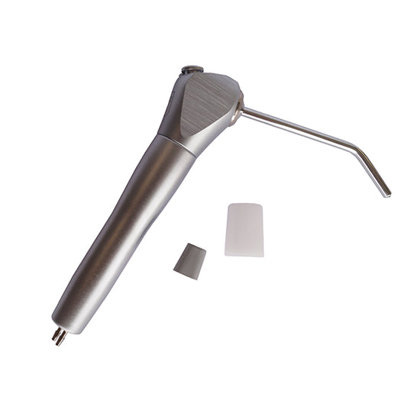
Dental practises rely on numerous tools to give safe, effective, and comfortable care, but many are not used as constantly as dental handpieces and couplings. These two instruments may appear simple, yet they play a major part in nearly every procedure - from routine cleanings to complex restorative work. Ultramodern dentistry has come briskly, quieter, and far more precise, and much of that progress is thanks to the advancements in these essential tools.
In this blog, we explore how dental tools and couplings work together, why they count, and how they help dentists deliver better care every single day.
The Role of Dental Handpieces in Modern Dentistry
Dental handpieces are used constantly throughout a dentist’s day. They help prepare teeth for paddings, shape restorations, polish shells, and remove decay with delicateness. While numerous cases honour them only by their sound, the technology inside Moment’s handpieces has evolved significantly.
Ultramodern dental handpieces are designed to offer:
- Smooth, harmonious gyration for precise slice.
- Low vibration to enhance comfort.
- Advanced cooling systems to avoid heat buildup.
- Better visibility due to enhanced head and body design.
- Lighter weight for comfortable running during long movements.
These advancements help dentists work more directly while reducing discomfort for cases. From high-speed slice to gentle polishing, the handpiece has become a crucial instrument in furnishing high-quality care.
Advancements That Make a Difference
Aged handpieces were heavier, noisier, and generated further heat. Moment’s models, especially from trusted brands like NSK, concentrate heavily on patient comfort and dentist effectiveness. Reducing noise and vibration makes treatments feel more relaxed, especially for anxious cases.
Meanwhile, better engineering allows dentists to maintain control during delicate procedures, which directly influences treatment issues.
For illustration:
- High-speed handpieces now offer better neck and stable gyration, icing smoother tooth medication.
- Low-speed handpieces give finer control for polishing and finishing.
This range of tools allows dentists to conform each step of the procedure to delicacy, speed, and comfort.
The Frequently Overlooked Part of Couplings
While the handpiece is the tool in the dentist’s hand, the coupling is the connector that makes everything work easily. A coupling attaches the handpiece to the dental unit, delivering air, water, power, and occasionally light.
Even though it seems like a small accessory, it plays several important roles:
1. Stable Power and Water Force
A high-quality coupling ensures the handpiece receives steady air pressure and water inflow, helping it maintain harmonious performance throughout the procedure.
2. Quick Handpiece Changes
Dentists constantly switch between high-speed and low-speed handpieces. A good coupling system allows handpieces to be attached and detached painlessly, saving time during treatments.
3. Longer Equipment Lifespan
Secure, well-befitting couplings reduce strain on both the handpiece and the sock, helping to prevent damage and extending the life of the outfit.
4. Better Handling and Safety
A solid connection prevents wobbling, unanticipated detaching, or interruptions in water inflow, perfecting safety for both the dentist and the case.
Brands like NSK are known for durable couplings that give a tight, dependable fit and make handpiece changes seamless and flawless.
How These Tools Ameliorate Everyday Patient Care
Together, dental handpieces and couplings help dentists perform nearly all general and restorative procedures.
Their design directly improves:
Precision
Smooth, continued gyration helps dentists prepare teeth more precisely - especially important when shaping a tooth for a crown or removing decay near delicate areas.
Case Comfort
- Reduced vibration and noise make moving parts less stressful.
- Better cooling from water spray prevents heat-related discomfort.
Treatment Speed
Effective tools dock appointment times - salutary for both the dental platoon and the case.
Professional Confidence
When an outfit behaves predictably, dentists can concentrate completely on their work.
Helping Dentists Spot Problems Beforehand
Well-performing handpieces enhance visibility and control, helping dentists identify issues such as:
small cracks
early decay
failing old restorations
wear and tear on tooth shells
This position of detail allows dentists to address problems sooner, frequently precluding more complex treatments later.
A Better Experience for Cases
Cases may not notice the outfit itself, but they clearly feel the difference it makes.
- Quieter, smoother tools produce a calmer experience.
- Brisk procedures reduce the time spent with the president.
For children and anxious cases, this can greatly enhance their perception of dental care.
Good tools also allow dentists to communicate more easily with cases. For illustration:
- Smoother polishing results are easier to show visually.
- Quick, precise medications help cases understand the benefits of ultramodern outfits.
Habituated Across Nearly Every Type of Treatment
Dental handpieces and couplings are essential for:
routine checkups
paddings addings
root canal medication
orthodontic adaptations
polishing and ornamental finishing
crown and groundwork
exigency procedures
Because they are so protean and used so constantly, having dependable, high-quality outfits is pivotal for any dental practise.
Why Quality Matters
Choosing good handpieces and couplings is an investment in the entire dental practise. They ameliorate treatment issues, support more patient gestations, and reduce long-term outfit issues.
Brands like NSK offer trusted quality, continuity, and harmonious performance - making them a popular choice in dental conventions.
Conclusion
Dental handpieces and couplings may not be the most visible tools in a dental clinic, but they are among the most important. They bring perfection, speed, comfort, and a possible spelling mistake found to everyday dentistry.
Together, they help dentists deliver smoother procedures, clearer results, and a more positive experience for cases.
As technology continues to advance, these tools will play an indeed lesser part in shaping the future of ultramodern dental care.

You Might Like Also

How Ultrasonic Cleaners Support Better Oral Care

Support Design Seating for Everyday Comfort


Acteon Supporting Modern Dentistry with Smart and Gentle Technology