
In recent years, advancements in technology have fundamentally changed the way we cool our homes. What was once a simple system of fans or window units has now evolved into smart, energy-efficient, and highly customizable solutions. Homeowners today have more options than ever to maintain comfort while reducing energy consumption and costs. This transformation in home cooling solutions reflects broader trends in innovation, sustainability, and convenience.
The Shift Toward Smart Cooling Systems
One of the most significant changes in home cooling is the rise of smart air conditioning systems. Unlike traditional units that require manual operation, smart systems allow homeowners to control their cooling remotely using smartphones or voice assistants. These systems can learn household patterns, adjusting temperatures automatically based on when rooms are in use, which helps to minimize energy waste.
For example, a smart thermostat can detect when no one is at home and temporarily raise the temperature to save energy. When it senses movement or receives a schedule update, it can lower the temperature to ensure comfort upon return. This level of automation not only reduces monthly electricity bills but also contributes to a more environmentally friendly household.
Energy Efficiency and Sustainability
Modern cooling technology has placed a strong emphasis on energy efficiency. Air conditioning units are now designed to meet high efficiency standards, often certified by organizations such as Energy Star. Variable speed compressors, inverter technology, and improved refrigerants allow units to operate more efficiently than ever before.
In addition, advanced air filters and ventilation systems ensure that cooling is achieved without unnecessary energy waste. Some systems even incorporate solar-powered components, further reducing reliance on traditional energy sources. These innovations mean that homeowners can enjoy a cool, comfortable home without the guilt of high energy consumption.
Integration with Home Automation
Home automation has expanded beyond lighting, security, and entertainment. Cooling systems are now an integral part of interconnected smart homes. Integration with home automation platforms enables homeowners to manage multiple aspects of comfort with a single interface. For instance, sensors throughout the home can track temperature, humidity, and even occupancy, allowing the cooling system to adjust settings in real-time.
This level of integration provides more than convenience. It creates a seamless experience where the home environment responds to residents’ needs almost intuitively. Some systems can even coordinate with energy providers to operate during off-peak hours, further reducing costs and contributing to a more sustainable grid.
Personalized Comfort and Zoning
Zoning technology has made it possible for different areas of a home to maintain distinct temperatures based on individual preferences. This means one room can remain cooler while another stays warmer, depending on its use or occupancy. Zoning is particularly beneficial for families or shared living spaces, as it prevents conflicts over temperature settings.
Coupled with smart sensors, zoning can dynamically adjust airflow and temperature to maximize comfort and efficiency. This approach eliminates the one-size-fits-all method of traditional cooling, ensuring each room is comfortable without wasting energy on unoccupied areas.
Predictive Maintenance and Reliability
Another benefit of technology-driven cooling solutions is predictive maintenance. Many modern systems can monitor their own performance and detect potential issues before they become major problems. For homeowners, this means fewer unexpected breakdowns and more reliable cooling throughout the year.
Some companies offer diagnostic apps that provide real-time alerts and suggestions for maintenance or repairs. In addition, many professional air conditioning service now use data from smart units to optimize maintenance schedules, ensuring systems operate at peak efficiency. This proactive approach extends the lifespan of equipment and reduces the long-term costs associated with frequent repairs or premature replacements.
Health and Air Quality Improvements
Technological advancements in cooling aren’t limited to temperature control. Modern systems often include high-quality air filtration, humidity regulation, and purification features. These enhancements help remove allergens, dust, and airborne pathogens, improving indoor air quality.
Maintaining optimal humidity levels not only enhances comfort but also protects wooden furniture, electronics, and other household items. In homes with sensitive occupants, such as children or individuals with respiratory conditions, these improvements can have a significant impact on overall health and well-being.
Eco-Friendly Refrigerants and Materials
Historically, refrigerants used in air conditioning units had high global warming potential (GWP). However, modern systems are increasingly adopting eco-friendly refrigerants with lower environmental impact. In addition, manufacturers are using more sustainable materials in construction and packaging, reflecting a broader trend toward green innovation.
By choosing cooling solutions that incorporate these eco-conscious elements, homeowners contribute to environmental preservation while enjoying the latest in comfort technology.
Cost Savings Through Efficiency
While advanced cooling systems may have higher upfront costs, the energy savings and reduced maintenance expenses often offset the initial investment over time. Smart controls, zoning, predictive maintenance, and high-efficiency components all contribute to lower electricity bills and longer-lasting units.
Furthermore, some energy providers offer rebates or incentives for upgrading to energy-efficient cooling systems, further reducing costs. By adopting modern technology, homeowners can achieve a balance between comfort, sustainability, and financial practicality.
The Role of Professional Installation
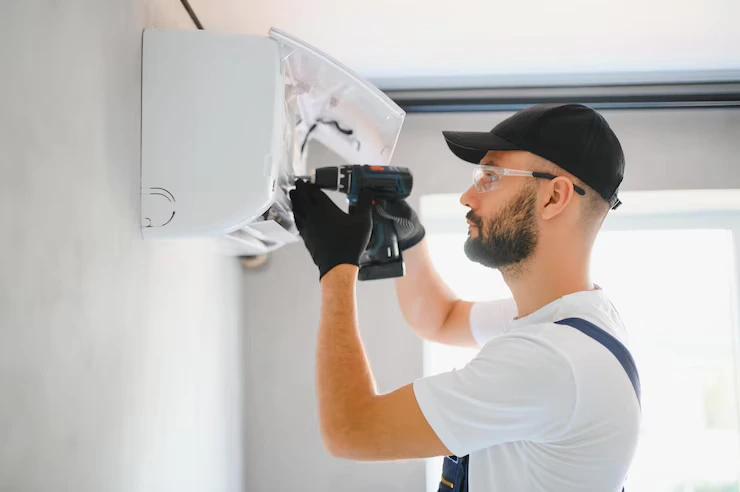
The effectiveness of advanced cooling solutions depends not only on the technology itself but also on proper installation and maintenance. Professional installation ensures that units operate efficiently, avoid leaks, and maintain optimal performance over time. Skilled technicians can also recommend systems best suited to the specific layout and requirements of a home.
Many homeowners now rely on professional aircond services that specialize in smart and eco-friendly systems. These services provide expertise in setup, ongoing maintenance, and troubleshooting, ensuring that technology delivers its promised benefits.
Looking Ahead: Future Innovations
The future of home cooling is likely to see even more integration with renewable energy, artificial intelligence, and advanced materials. Systems may become increasingly autonomous, anticipating needs before occupants even recognize them. Enhanced sensors, predictive algorithms, and connected devices will continue to refine comfort, efficiency, and air quality.
In addition, emerging technologies such as thermoelectric cooling, phase-change materials, and advanced heat exchangers could redefine the way we think about home climate control. These innovations may allow for quieter, more efficient, and even more eco-friendly cooling solutions.
Conclusion
Technology has fundamentally transformed home cooling solutions, moving from simple manual systems to smart, efficient, and customizable units. From energy savings and personalized comfort to improved air quality and predictive maintenance, modern cooling systems offer a range of benefits that extend beyond mere temperature control.
As homeowners embrace these innovations and work with professional aircond services for installation and upkeep, the potential for sustainable, convenient, and reliable cooling continues to grow. The result is a home environment that is not only comfortable but also aligned with modern expectations for energy efficiency and technological integration.
With ongoing advances on the horizon, the way we cool our homes will continue to evolve, making it possible for everyone to enjoy smart, efficient, and health-conscious comfort year-round. Investing in modern cooling solutions today is not just about comfort—it’s about future-proofing the home, conserving energy, and enhancing quality of life.

You Might Like Also

Exploring the Hidden Gems of the UAE

Desert Adventures Are Perfect for Families and Couples


Experiencing Luxury Travel Without Breaking the Bank




