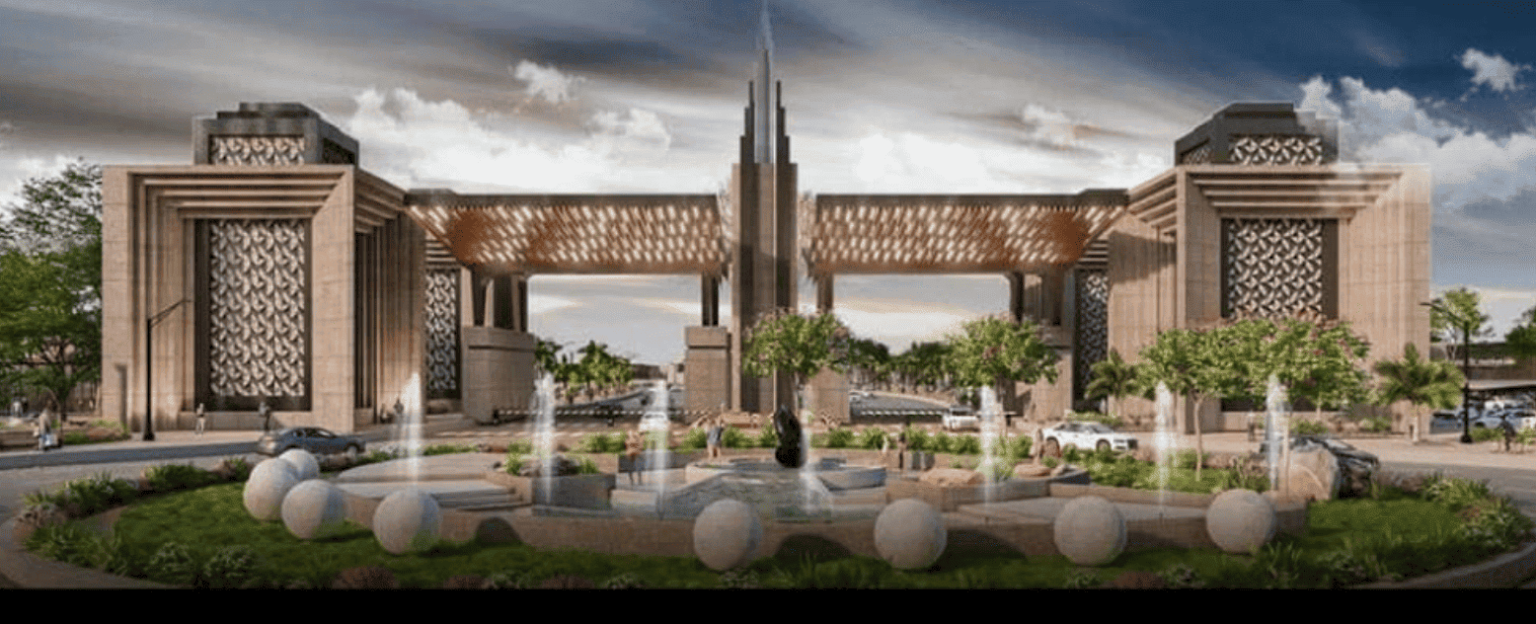

Infrastructure development plays a central role in shaping housing demand across growing cities. Roads, public transport, utilities, and social facilities do more than improve daily convenience. They directly influence where people choose to live, how much they are willing to pay, and which areas experience long-term growth. As cities expand and populations rise, infrastructure often becomes the deciding factor between a stagnant neighborhood and a thriving residential hub.
Understanding this connection helps buyers, investors, and developers make smarter decisions. Housing demand does not grow in isolation. It follows access, connectivity, and quality of life, all of which are driven by infrastructure.
How Infrastructure Shapes Residential Preferences
At its core, infrastructure determines livability. When an area has reliable roads, stable electricity, clean water, and proper drainage, it immediately becomes more attractive for residential use. Add schools, hospitals, parks, and shopping areas, and demand rises even further.
Buyers today look beyond the property itself. They assess how easily they can commute to work, whether their children can access good schools, and how close essential services are. Infrastructure answers these questions. A well-connected area reduces daily stress, saves time, and improves overall lifestyle, making it more desirable for long-term living.
Transportation Networks and Housing Demand
Transportation infrastructure has one of the strongest impacts on housing demand. New highways, flyovers, metro lines, and bus routes can transform distant or underdeveloped areas into sought-after residential zones.
When commute times drop, people are more open to living farther from city centers. This often leads to increased demand in suburban or newly planned areas. Property prices in such locations tend to rise as soon as major transport projects are announced, even before completion.
Public transport also affects demand differently across income groups. Affordable and reliable transport allows middle-income households to access better housing options without sacrificing connectivity. As a result, developers often focus residential projects around major transport corridors.
Utilities and Basic Services as Demand Drivers
No matter how attractive a location looks on paper, housing demand remains limited without reliable utilities. Consistent electricity, gas supply, water availability, and waste management are essential for residential growth.
Areas with modern utility infrastructure attract both end-users and investors. Buyers are more confident in making long-term commitments when they know essential services will not be a daily struggle. On the other hand, regions with poor utility planning often see slow demand, even if land prices are lower.
Upgraded infrastructure also improves existing neighborhoods. When outdated systems are replaced with modern solutions, demand can rise without new construction, simply because the quality of living improves.
Social Infrastructure and Lifestyle Appeal
Social infrastructure includes schools, colleges, hospitals, parks, and community centers. These elements play a major role in shaping housing demand, especially among families.
Parents often prioritize access to quality education and healthcare when choosing a home. Neighborhoods with reputable schools and well-equipped hospitals naturally attract higher demand. Parks and recreational spaces add further value by enhancing mental and physical well-being.
Over time, areas with strong social infrastructure develop a sense of community. This stability increases owner-occupancy rates and reduces speculative turnover, leading to steady and sustainable housing demand.
Economic Activity and Job Access
Infrastructure development often goes hand in hand with economic growth. Industrial zones, business districts, and commercial hubs create jobs, which in turn create housing demand nearby.
When new employment centers emerge, nearby residential areas experience increased interest from workers looking to minimize commute times. This demand pushes developers to launch new housing projects and encourages upgrades to existing properties.
In cities where infrastructure planning aligns residential and commercial development, housing demand remains balanced. Poor planning, however, can lead to congestion, inflated prices, and uneven growth.
Long-Term Impact on Property Values
Infrastructure does not just influence immediate housing demand. It also affects long-term property values. Areas with planned and ongoing infrastructure investment tend to show steady appreciation over time.
Buyers often view such locations as safer investments because government and private sector involvement reduces uncertainty. Even during market slowdowns, properties in well-developed areas usually retain value better than those in poorly connected regions.
For investors, this makes infrastructure development a key indicator when evaluating future returns. Demand driven by genuine improvements in connectivity and services is more sustainable than demand fueled by short-term speculation.
Urban Expansion and Planned Development
As cities grow, infrastructure guides the direction of expansion. Planned developments with integrated road networks, utilities, and public facilities attract more consistent housing demand than unplanned sprawl.
Master-planned communities often include residential, commercial, and recreational spaces within a single framework. This reduces dependency on distant city centers and creates self-sufficient neighborhoods. Buyers increasingly prefer such environments, especially as urban congestion increases.
This trend is evident in many growing cities where people seek modern living standards combined with long-term stability, rather than short-term affordability alone.
Buyer Confidence and Market Transparency
Infrastructure projects also influence buyer psychology. Announced and ongoing developments signal progress and stability, boosting confidence in the local housing market.
Clear timelines, visible construction activity, and government backing all contribute to trust. When buyers believe that promised infrastructure will actually be delivered, they are more willing to commit financially.
This confidence directly translates into demand. In contrast, delayed or abandoned projects can quickly dampen interest and stall housing markets.
Infrastructure and Housing Demand in Islamabad
In planned cities like Islamabad, infrastructure plays an even more pronounced role due to structured zoning and development regulations. Road expansions, new interchanges, improved public transport routes, and upgraded utilities have steadily influenced residential preferences.
Areas that once felt distant are now considered practical options due to improved connectivity. This shift has increased interest in residential units across various sectors, including those seeking an flats for sale islamabad as part of a long-term living or investment strategy.
As infrastructure continues to evolve, housing demand in the city is likely to follow areas that offer a balance of accessibility, services, and quality of life.
Challenges and Considerations
While infrastructure development generally boosts housing demand, it also brings challenges. Rapid demand can lead to rising prices, making housing less affordable for some groups. Poorly managed growth can strain existing systems and reduce living standards.
Sustainable planning is essential. Infrastructure must keep pace with population growth, and residential development should align with capacity limits. When done correctly, the positive impact on housing demand benefits both residents and the broader economy.
Conclusion
Infrastructure development is one of the strongest forces shaping housing demand. From transportation and utilities to social services and economic hubs, it influences where people live and how housing markets evolve. Buyers and investors who understand this relationship are better positioned to make informed decisions.
As cities continue to grow, the link between infrastructure and housing demand will only become stronger. Well-planned development creates livable communities, supports economic growth, and ensures long-term stability in the housing market.

You Might Like Also

Exploring the Hidden Gems of the UAE

Desert Adventures Are Perfect for Families and Couples



Experiencing Luxury Travel Without Breaking the Bank




