How to Get Rid of Blackheads: Complete Guide with Causes, Treatments, and Prevention

October 27, 2025
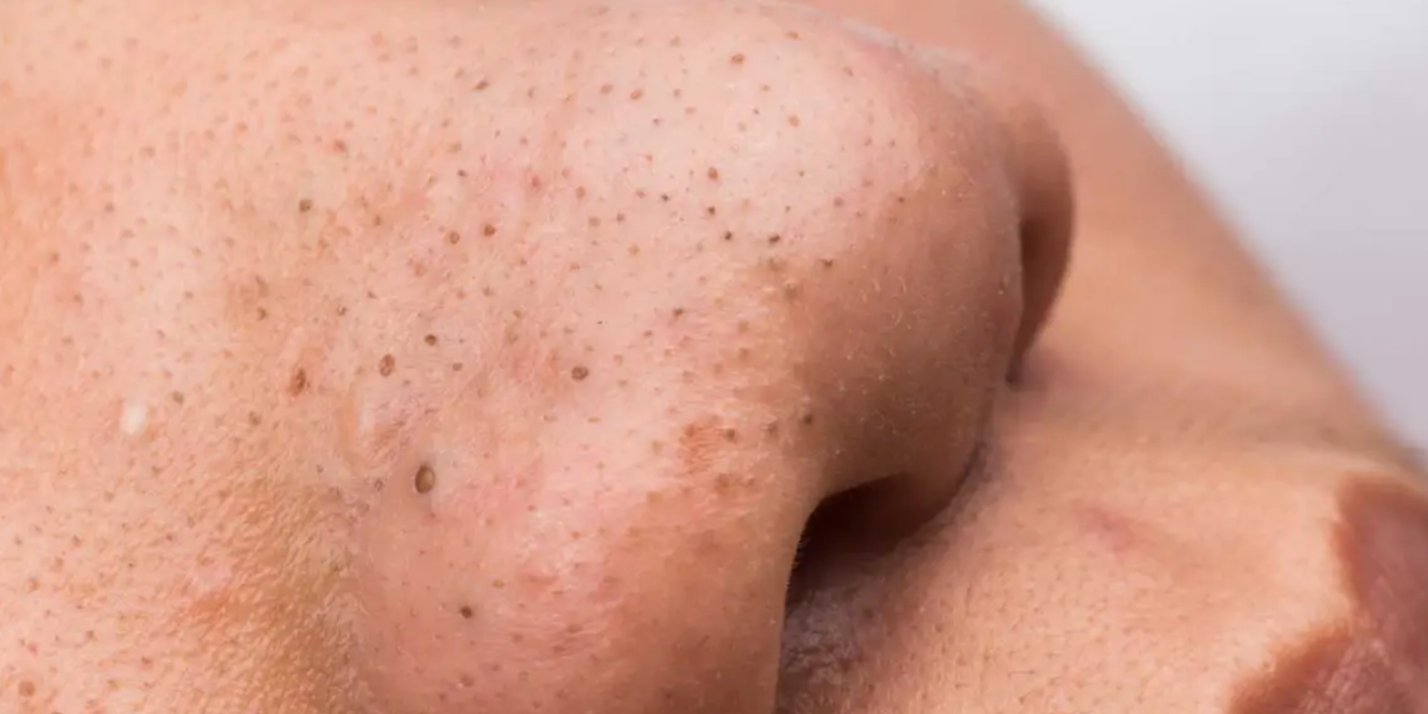
Blackheads are a common type of mild acne that occur when hair follicles (pores) become clogged with dead skin cells and excess oil (sebum). They appear as small dark spots on the skin, mostly on the face—especially the nose, forehead, and chin. The dark color is due to oxidation of the clogged material exposed to air, not dirt. Blackheads are more common in people with oily or combination skin but can affect anyone. While harmless, they can be frustrating and disfiguring if left untreated, making effective management important.
What Causes Blackheads?
Blackheads form from a complex interaction of skin oils, dead cells, and bacteria within blocked pores. Key causes include:
- Excess Sebum Production: Hormonal changes during puberty, menstruation, or stress can increase oil production, making blackheads likelier.
- Inadequate Skin Cell Shedding: Dead skin cells sometimes accumulate faster than they can be shed, clogging pores when mixed with oil.
- Bacterial Growth: The bacteria Propionibacterium acnes (P. acnes) thrives in clogged pores, potentially worsening the skin condition.
- External Factors: Heavy or oily cosmetics, pollution, humidity, and friction from objects or clothing can intensify blackhead development.
Understanding these multifactorial causes is vital for tailoring appropriate treatments and preventative measures.
Effective Skincare Routine to Tackle Blackheads
Cleansing
Daily cleansing with a gentle, non-comedogenic (won't clog pores) cleanser removes excess oil and impurities. Avoid soaps or harsh cleansers that strip the skin of natural oils, as this can cause irritation and trigger higher oil production. Cleanse twice daily – morning and night.
Exfoliation
Regular exfoliation helps get rid of dead skin cells that can clog pores. Use chemical exfoliants like salicylic acid (a beta hydroxy acid, BHA) or glycolic acid (an alpha hydroxy acid, AHA) as they penetrate pores and dissolve blockages gently. Avoid abrasive physical scrubs which might inflame skin or damage the skin barrier.
Masks
Using masks made from clay or activated charcoal can absorb excess oil and pull impurities from deep within the pores. Use these 1-2 times weekly to manage oiliness and blackhead build-up.
Facial Steaming
Warm steam opens pores temporarily, making it easier to remove debris afterward. Limit steaming sessions to 5-10 minutes once or twice per week, followed by gentle cleansing and moisturising.
Treatment | How It Works | Best For | Precautions |
Salicylic Acid | Penetrates pores to dissolve dead cells | Mild to moderate blackheads | May cause dryness or irritation |
Benzoyl Peroxide | Kills bacteria, reduces inflammation | Inflammatory acne with blackheads | Can overly dry skin or bleach hair |
Retinoids (Adapalene) | Normalizes skin cell turnover | Preventing clog formation | Sun sensitivity, irritation |
Clay Masks | Absorbs excess oil, detoxifies skin | Oily skin prone to blackheads | Drying if overused |
Charcoal Masks | Draws out impurities deep in pores | Deep cleansing | Sensitivity possible |
Overview of Over-the-Counter Treatments
Professional Treatments for Persistent Blackheads
For more stubborn blackheads, professional treatments offer advanced options:
- Extraction: Dermatologists or aestheticians use sterile tools to manually remove blackheads carefully, reducing scarring risk.
- Microdermabrasion: A mechanical exfoliation procedure that improves skin texture and unclogs pores.
- Chemical Peels: Target outer skin layers to accelerate skin renewal and reduce pore blockages.
- Laser and Phototherapy: Kills acne bacteria and shrinks sebaceous glands, limiting oil production and blackhead recurrence.
Prescription Treatments
For severe or treatment-resistant blackheads, options include:
- Topical Antibiotics: Reduce bacterial load and inflammation.
- Hormonal Treatments: Oral contraceptives regulate hormonal fluctuations linked to oil production in women.
- Oral Isotretinoin: A powerful medication reducing oil gland size, used only under strict medical supervision due to side effects.
Prevention Tips: Lifestyle and Daily Habits
- Opt for non-comedogenic makeup and skincare products.
- Wash pillowcases, towels, and makeup brushes regularly.
- Maintain a healthy, antioxidant-rich diet.
- Avoid excessive sun exposure that thickens skin and clogs pores.
- Resist squeezing or picking blackheads to prevent scarring.
Blackheads vs. Sebaceous Filaments
Blackheads are clogged and oxidized follicles appearing as black dots; sebaceous filaments are tiny normal oil channels appearing as small grayish dots. While blackheads are a common skin issue, sebaceous filaments are natural and usually don’t require removal.
Summary Table: Choosing the Right Blackhead Treatment
Treatment Type | Pros | Cons | Suitable For |
Daily Cleansing | Simple, removes surface oil | May not remove deep clogging | Most skin types |
Chemical Exfoliation | Removes dead skin, unclogs pores | Possible irritation, dryness | Mild to moderate blackheads |
Masks (Clay, Charcoal) | Detoxifies, absorbs oil | Can dry skin if overused | Oily and combination skin |
Extraction (Professional) | Quick and effective | Risk of scarring if improperly done | Severe or stubborn blackheads |
Prescription Retinoids | Effective at preventing pore clogging | Acne flare-ups, sun sensitivity | Persistent blackheads |
Oral Medications | Treat underlying causes | Side effects, requires supervision | Severe or resistant cases |
Conclusion
Blackheads can be effectively managed and prevented through a consistent skincare routine comprised of gentle cleansing, chemical exfoliation, and targeted treatments like salicylic acid and retinoids. For stubborn cases, professional extraction and medical therapies can provide faster results. Lifestyle choices and proper product use further enhance outcomes. Patience and persistence, combined with the right approach tailored to your skin type, will lead to clearer, healthier skin free of blackheads.

You Might Like Also





