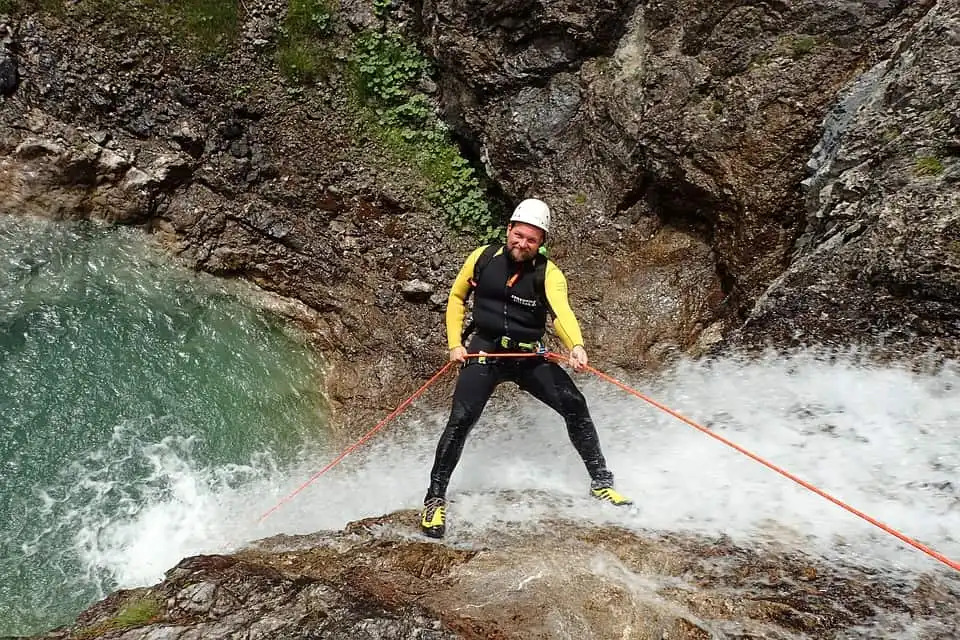

Water rushes over rocks, sunlight dances on hidden pools, and the sound of splashing echoes through narrow gorges. This is canyoning in Nepal—an adventure that combines climbing, jumping, sliding, and swimming through some of the country’s most breathtaking canyons. It is a journey filled with excitement, challenge, and natural beauty. Every leap into the icy water feels like stepping into a secret world carved by rivers and time.
Why Canyoning in Nepal Is Unique
Nepal is famous for its towering mountains, but it is also home to stunning rivers and deep gorges. These rivers have carved canyons over thousands of years, creating hidden playgrounds for adventurers. Unlike other activities, canyoning combines multiple skills: hiking, swimming, rappelling, and jumping. It is perfect for those who seek both thrill and natural beauty in a single adventure.
Canyoning in Nepal allows exploration of remote locations, where waterfalls cascade into crystal pools, and rock formations form natural slides. The combination of adventure and scenery makes it a unique experience not found in many other countries.
The Journey Through the Canyons
The adventure usually begins with a short trek to the canyon entrance. Trails wind through forests, past bamboo groves, and along roaring rivers. The sound of flowing water grows louder as the canyon comes into view. Narrow rock walls, natural slides, and hidden pools await at every turn.
Once inside the canyon, the journey becomes more active. Waterfalls must be rappelled, smooth rock faces become natural slides, and deep pools offer refreshing swims. Every section challenges both skill and courage, creating an unforgettable sense of accomplishment.
Key Statistics for Canyoning Adventures
Canyoning trips in Nepal vary in difficulty and length. On average, a canyoning adventure lasts 1 to 3 days, depending on the location and group pace. The total distance covered during an average trip ranges from 5 to 12 kilometers (3–7 miles) through rivers and gorges.
The maximum elevation of canyon entrances can reach 1,200 to 1,800 meters (3,900–5,900 feet) above sea level. While not as high as Himalayan peaks, the combination of water, steep drops, and rocky terrain makes the experience physically demanding and exciting.
Essential Skills for the Adventure
Canyoning requires a mix of basic adventure skills. Participants should know how to hike on uneven terrain, use ropes for rappelling, and swim in moving water. Safety gear, including helmets, harnesses, and wetsuits, protects against falls and cold water.
Guides play a critical role, leading groups through safe routes and helping with technical sections. For beginners, guided trips ensure safety while still offering the thrill of leaping and sliding through natural waterscapes.
The Thrill of Leaping and Sliding
One of the most exciting parts of canyoning is the jumps. Natural pools formed by waterfalls invite leaps from heights of 3 to 12 meters (10–40 feet). Each jump brings a rush of adrenaline and a cool splash of mountain water. Rock slides add another layer of fun. Gravity helps slide down smooth rock faces directly into clear pools below.
This combination of movement and scenery makes canyoning both a physical challenge and a joyful experience. It is an adventure that connects participants directly with nature in a playful and thrilling way.
Exploring Hidden Natural Beauty
Canyoning in Nepal also allows access to areas that few people see. Hidden waterfalls, narrow gorges, and calm pools appear around every bend. Wildlife such as birds, fish, and occasional mountain deer may be spotted along the route.
The scenery is as important as the adventure itself. Every jump, slide, and swim offers new perspectives of Nepal’s rivers, forests, and rock formations. Photographs often cannot capture the full sense of wonder felt in these hidden canyons.
Safety and Preparation
Safety is a top priority for canyoning. Wetsuits keep the body warm in cold water, while helmets protect against rocks. Proper footwear provides grip on wet and slippery surfaces. Guides always assess water flow, weather, and terrain before starting each section.
Physical fitness helps participants enjoy the adventure fully. Good stamina, strength, and flexibility make climbing, jumping, and swimming easier. Even beginners can participate safely with proper guidance and preparation.
Best Seasons for Canyoning in Nepal
The best time for canyoning adventures in Nepal is spring (March to May) and autumn (September to November). During these seasons, rivers are flowing strongly but not dangerously. The weather is stable, and temperatures are comfortable for water activities.
Summer brings heavy monsoon rains, which can make canyons unsafe due to flash floods. Winter is cold, and water temperatures drop significantly, making long canyoning trips less enjoyable.
Why Canyoning Leaves a Lasting Impression
Canyoning is more than an adrenaline rush. It builds confidence and courage. Each jump, rappel, and swim strengthens both body and mind. The combination of adventure, teamwork, and natural beauty creates memories that last a lifetime.
Unlike many other activities, canyoning allows direct interaction with water, rock, and forest. The sense of exploration and accomplishment stays with participants long after the trip ends.
Final Thoughts: Leap, Slide, and Explore
Canyoning in Nepal offers a perfect mix of thrill and nature. From hidden waterfalls to crystal pools, every moment is an opportunity for adventure. Leaps, slides, and rappels test courage while revealing stunning scenery.
For those who seek excitement, natural beauty, and a unique Himalayan experience, canyoning is a journey like no other. It is a chance to leap into adventure, slide into fun, and explore the legendary rivers and gorges of Nepal.

You Might Like Also

Climbing in Nepal: Where Adventure Meets the Himalayas


Where Courage Meets Altitude: Mera Peak Climbing Challenge




