
The Unsung Hero of Quality Assurance: Mastering the Pin Hole Tester for Flawless Packaging 🛡️
In the high-stakes worlds of Polyfilms and Pharma, where a microscopic defect can lead to catastrophic consequences, quality control isn't just a department—it's a promise. A promise of product integrity, patient safety, and brand reputation. At the heart of this promise lies a seemingly simple yet profoundly critical instrument: the Pin Hole Tester. This device is the first and most crucial line of defense against one of the most elusive packaging flaws—pinholes.
This article delves deep into the importance of the Pin Hole Tester, exploring its operation, its undeniable value across industries, and why choosing the right technology, like a modern Digital Pinhole Tester, is a strategic investment in excellence.
What Exactly is a Pin Hole Tester? 🤔
A Pin Hole Tester is a specialized quality control instrument designed to detect and identify minute perforations, or "pinholes," in flexible packaging materials. These materials include the plastic laminates, aluminum foils, and polymer films widely used for:
Pharmaceutical Blister Packaging: Protecting tablets and capsules.
Medical Device Pouches: Ensuring sterility.
Food and Beverage Packaging: Maintaining freshness and preventing spoilage.
Industrial Polyfilms: Shielding products from moisture and contaminants.
These pinholes are typically invisible to the naked eye but can be pathways for oxygen, moisture, bacteria, and other contaminants, compromising the product inside.
The Critical Role of the Pin Hole Detector in the Pharma and Polyfilms Industries 💊
The consequences of undetected pinholes are far more severe than a simple packaging flaw.
In the Pharmaceutical Industry:
Patient safety is paramount. A pinhole in a blister pack or a sterile medical pouch can:
Compromise Sterility: Allow microbial ingress, leading to contaminated medicines.
Reduce Potency: Permit the entry of moisture and oxygen, degrading the active pharmaceutical ingredient (API).
Lead to Regulatory Failure: Strict guidelines from bodies like the FDA and EMA mandate robust packaging integrity tests. A failure to detect pinholes can result in product recalls, massive financial losses, and irreparable damage to brand trust.
In the Polyfilms Industry:
Whether it's for food packaging or industrial applications, the integrity of the film is everything. A pinhole can:
Accelerate Spoilage: Allow oxygen to enter, ruining perishable food products.
Cause Leakage: Lead to product loss and messy, damaged goods.
Break the Barrier: Defeat the primary purpose of the packaging, which is to act as a barrier against external elements.
Using a reliable Pin Hole Detector is non-negotiable for mitigating these risks. It transforms a subjective visual inspection into an objective, reliable, and quantifiable quality check.
How Does a Pin Hole Tester Work? The Science Made Simple 🔬
The most common and effective method used by modern testers is the High-Voltage, Low-Current Discharge Test.
Imagine this: the material to be tested is placed between two electrodes—a grounded metal roller and a high-voltage electrode (often a brush or another roller). As the film passes through, a controlled high-voltage current is applied. If the material is intact and free of pinholes, it acts as an insulator, and the circuit remains open.
However, if a pinhole is present, the electrical resistance at that tiny spot drops dramatically. The current seizes this opportunity, arcing through the pinhole to complete the circuit with the grounded roller. This discharge is instantly detected by the instrument, which triggers an alarm. Advanced models, especially a Digital Pinhole Tester, can even mark the exact location of the defect and log the data for quality analysis.
This method is highly sensitive, non-destructive to the intact material, and incredibly fast, making it ideal for in-line quality control in high-speed production environments.
Why Upgrade to a Digital Pinhole Tester? The Evolution of Quality Control 📈
While traditional testers are functional, the Digital Pinhole Tester represents a significant leap forward. Here’s why it’s the superior choice for modern manufacturing:
Unmatched Accuracy & Sensitivity: Digital controls allow for precise adjustment of the voltage, enabling the detection of even the most minuscule pinholes that analog systems might miss.
Data Logging and Traceability: This is a game-changer. A Digital Pinhole Tester can record every test, storing data on defect counts, locations, and timestamps. This creates an auditable trail for compliance and root cause analysis.
User-Friendly Interface: Intuitive digital displays and touchscreens make operation simpler, reducing human error and training time.
Enhanced Safety Features: Digital systems incorporate advanced safety protocols to protect the operator and the equipment.
Improved Efficiency: Automated reporting and quick setup parameters for different materials streamline the quality control process.
Investing in a digital system is not just an equipment upgrade; it's an upgrade to your entire quality assurance paradigm.
Choosing the Right Pinhole Detection Equipment: Key Considerations ✅
Selecting the ideal Pin Hole Tester for your lab or production line requires careful thought. Consider these factors:
Material Type and Thickness: Ensure the tester can handle the specific range of films and foils you use.
Sensitivity Requirement: How small a pinhole do you need to detect? Look for a model that meets your strictest quality thresholds.
Testing Speed: For in-line production, the tester must keep up with your line speed.
Data Requirements: If you need compliance reports and traceability, a Digital Pinhole Tester is essential.
Ease of Use and Maintenance: Choose a robust machine from a reputable manufacturer like LabZenix, known for reliability and excellent after-sales support.
Frequently Asked Questions (FAQs) ❓
Q1: Can a Pin Hole Tester detect pinholes in all types of packaging materials?
A: Primarily, it is used for non-conductive materials like plastic polymers, laminates, and foils. It is not suitable for conductive materials like pure metal sheets, as they would complete the circuit regardless.
Q2: How often should we calibrate our Pinhole Detection Equipment?
A: Calibration frequency depends on usage and compliance requirements. For high-throughput environments and strict pharmaceutical applications, it is recommended to calibrate at least every 6 to 12 months, or as per the manufacturer's guidelines (e.g., LabZenix recommendations) and your internal SOPs.
Q3: Is the high voltage used in the test dangerous for operators?
A: Reputable Pin Hole Tester models are designed with multiple safety features, including emergency stops, grounding mechanisms, and enclosed testing areas. When operated correctly according to the user manual, they are very safe. Proper training is, however, mandatory.
Q4: What is the difference between a manual and a Digital Pinhole Tester?
A: A manual tester typically relies on analog controls and may require the operator to visually identify and mark pinholes. A Digital Pinhole Tester automates the detection, logging, and often the marking process, offering greater accuracy, efficiency, and data integrity.
Q5: We have a slow production line. Do we still need an automated tester?
A: While the urgency is lower, the benefits of accuracy, data recording, and improved reliability offered by a digital tester still apply. It future-proofs your quality control process and reduces the risk of human error, making it a valuable investment regardless of line speed.
Conclusion: Don't Let a Tiny Flaw Cause a Giant Failure 🎯
In the meticulous domains of Polyfilms and Pharmaceuticals, there is no room for error. The Pin Hole Tester is more than just a tool; it is the guardian of your product's lifecycle. By embracing advanced Pinhole Detection Equipment, particularly the modern Digital Pinhole Tester, you are not just finding faults—you are building a fortress of quality, safety, and trust around your brand.

You Might Like Also

Vacuum Leak Tester Manufacturer And Supplier


Core Compression Tester Manufacturer in India

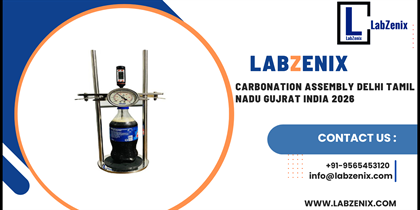
Carbonation Assembly Delhi Tamil Nadu Gujrat India 2026

Pinhole Tester - Manufacturer and Supplier, Price

Drop Tester Manufacturer price in India 2026




