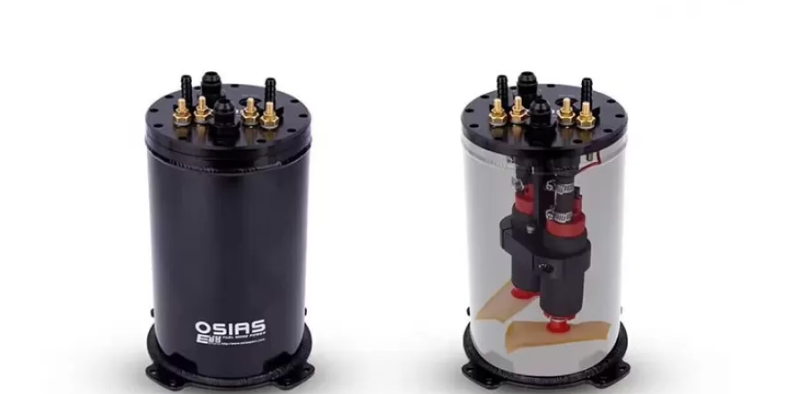

When it comes to modern motor vehicle performance, fuel distribution plays an important role in how efficiently a surge tank in a car engine runs. An important component that helps to ensure frequent fuel supply, especially in vehicles with high-demonstrations, is the surge tank. Many car enthusiasts often hear about this part, but do not make sure what it really does or why it is necessary. Let's break it into simple words.
Understand the surge tank
A surge tank in a car is a small fuel reservoir that works with the main fuel tank. Its main task is to provide a continuous supply of fuel to the engine, even when the car is in contact with conditions that can disrupt normal fuel flows. These interruptions usually occur during sharp turns, hard acceleration, sudden braking, or when the main fuel tank is running low.
Without a boom tank, fuel inside the main tank can slip around, allowing the fuel pump to dry in a moment. This condition, called fuel starvation, can hesitate over time, misfire or severe engine damage. A small reserve of surge tank fuel solves this problem by always keeping available.
How does a surge tank work?
The function of a surge tank is quite straightforward:
Fuel transfer : The main fuel tank feeds fuel into the surge tank through a lift pump.
Stable supply : Serge tank has a small but stable amount of fuel that is always ready to pump into the engine.
From the high pressure delivery-serage tank, a high pressure pump sends fuel directly to the engine's fuel.
Return Cycle Any additional fuel is sent back to the surge tank, which maintains a constant circulation.
This cycle ensures that the engine never walks low on fuel, no matter the condition of driving.
Why do cars need a surge tank?
Not every car comes with a surge tank. In fact, most daily drivers do not require one. However, in situations where performance and reliability are important, a surge tank becomes highly valuable. Here's why:
Fuel prevents starvation - maintains a stable fuel supply during hard cornering or aggressive driving.
The high-demonstration supports engines-Turbocharged or tuned engines require frequent fuel distribution to prevent damage.
Improvement in reliability - reduces the risk of misfire or electricity loss caused by uneven fuel flow.
Essential for racing - track cars and drift cars often rely on the surge tank to handle extreme driving conditions.
Conclusion
A surge tank can look like a small joint, but it creates a big difference in the performance and longevity of the engine. By ensuring that your car's engine receives a constant and stable OSIAS supply of fuel, it eliminates the risks associated with fuel starvation. While each driver does not require one, enthusiasts and racers get significant benefits by adding a surge tank to their setup.

You Might Like Also





