

Choosing a suitable laser procedure requires understanding how it works, what results to expect, and whether it matches your skin concerns. For individuals exploring Q-switch Laser Treatment in Dubai, learning about the procedure beforehand can support informed decisions. Dynamic Clinic in Dubai is one of the names patients may encounter when researching aesthetic skin treatments, but understanding the treatment itself should remain the priority.
How Does Q-Switch Laser Treatment Work?
Before considering the procedure, patients should understand how Q-switch technology targets unwanted pigmentation. It delivers short, high-intensity pulses of laser energy that break down selected pigment particles in the skin. The body's natural processes gradually clear these fragmented particles.
The treatment may be considered for concerns such as:
Sunspots and age spots
Freckles and uneven pigmentation
Certain types of birthmarks
Selected tattoo pigments
Some forms of post-inflammatory pigmentation
The response depends on the pigment's depth, colour, and underlying cause. Different skin concerns may require different laser settings and treatment approaches.
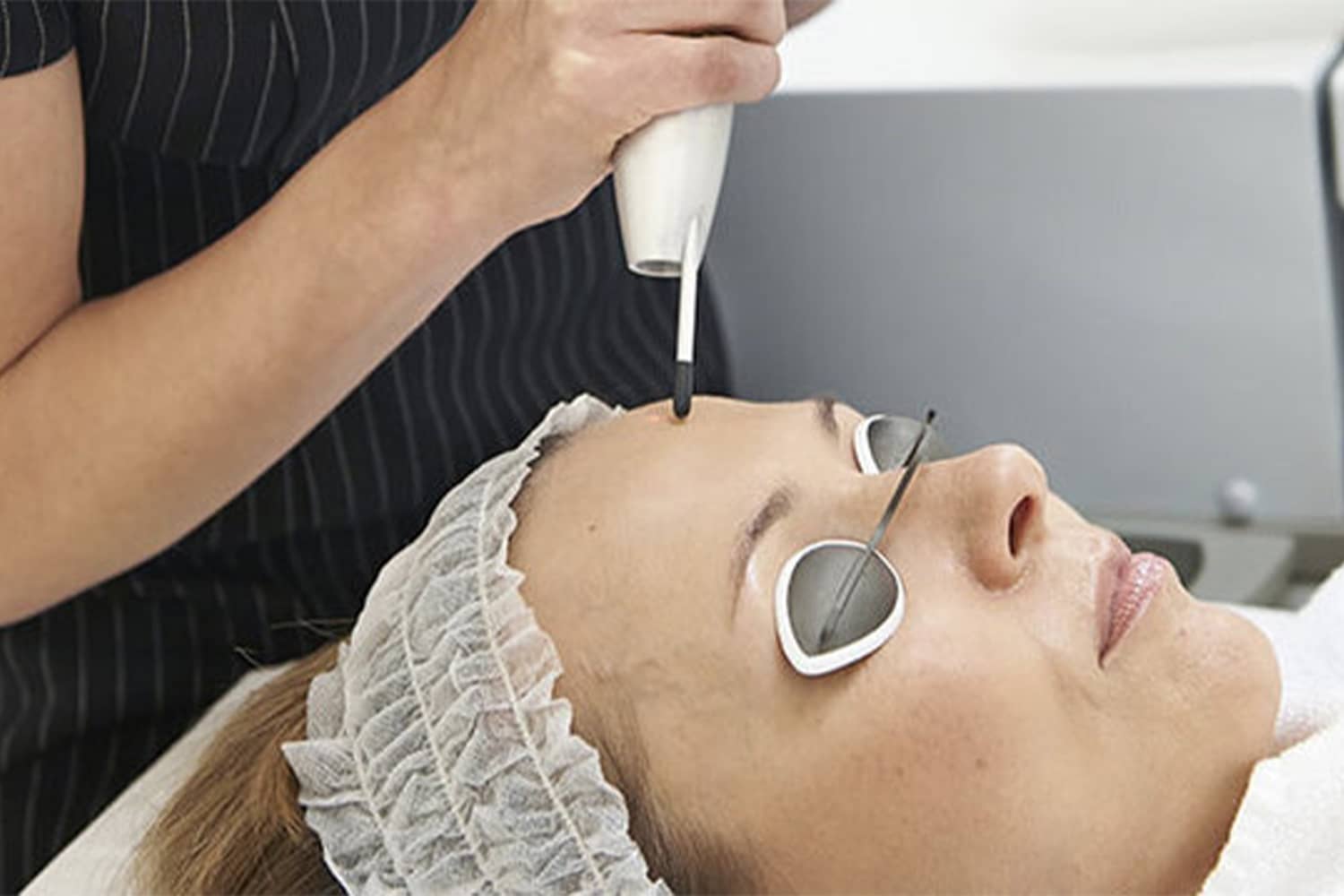
Is My Skin Suitable for This Laser Procedure?
Skin suitability is an important subject to discuss during an initial consultation. Although Q-switch lasers can address several pigmentation concerns, not every skin type or condition responds in the same way.
Patients should ask whether their skin tone, sensitivity, medical history, and pigmentation pattern make them suitable candidates. Individuals with darker skin tones may need particular attention because excessive laser energy can sometimes trigger post-inflammatory hyperpigmentation.
A proper assessment should also identify whether the visible discoloration is caused by sun exposure, hormonal changes, inflammation, or another skin condition.
What Results Can I Realistically Expect?
Understanding realistic outcomes helps prevent unrealistic expectations. Some pigmentation concerns may become lighter after treatment, while others require multiple sessions or alternative approaches.
Patients should ask:
How much improvement is realistic for my skin concern?
Will the pigmentation disappear completely or become less visible?
How long might visible changes take?
Can the treated area develop pigmentation again?
What factors could affect my results?
Results can vary according to pigment depth, skin characteristics, treatment settings, and aftercare. Some conditions, including melasma, may be particularly challenging because their underlying triggers can remain active.
How Many Sessions Might My Skin Need?
The treatment schedule depends on the condition being addressed and how the skin responds to laser energy. Superficial pigmentation may respond differently from deeper or more resistant pigment.
Patients should ask about the expected number of sessions, the recommended interval between appointments, and how progress will be evaluated. Allowing sufficient recovery time between treatments is important because the skin needs time to respond.
A treatment plan should be adjusted according to observed changes rather than following a fixed schedule for every patient.
What Side Effects Should I Know About?
Every laser procedure carries potential side effects. Knowing what may happen helps patients recognise normal recovery changes and identify symptoms that require professional attention.
Possible temporary reactions include:
Redness around the treated area
Mild swelling or sensitivity
Temporary darkening of pigmentation
Small areas of crusting
Mild discomfort or warmth
Less common complications include blistering, infection, scarring, and changes in skin pigmentation. Patients should ask which reactions are expected and which symptoms require prompt medical assessment.
What Should I Do Before the Appointment?
Preparation can influence skin tolerance and recovery. Patients should ask whether they need to modify their skincare routine or avoid particular activities before treatment.
Important preparation questions include whether to:
Limit direct sun exposure and tanning
Avoid irritating exfoliating products
Disclose current medications and skincare ingredients
Report recent skin procedures
Inform the practitioner about previous reactions to laser treatments
Sun protection is particularly important in Dubai because regular UV exposure can worsen pigmentation and increase the risk of unwanted changes following laser treatment.
What Does Recovery and Aftercare Involve?
Aftercare helps protect the treated skin while it recovers. Patients should understand how to clean the area, which moisturisers are appropriate, and when normal skincare products can be resumed.
It is also important to ask about sun protection, exercise restrictions, swimming, and activities that may cause excessive heat or friction.
A suitable aftercare routine may include gentle cleansing, moisturising, avoiding unnecessary skin irritation, and applying broad-spectrum sunscreen as recommended. Picking or scratching treated areas should be avoided because it can increase the risk of scarring and pigmentation changes.
Who Should Avoid or Delay Treatment?
Certain conditions may make laser treatment unsuitable or require additional precautions. Patients should disclose active skin infections, open wounds, recent tanning, a history of abnormal scarring, and any medications that may increase skin sensitivity.
Pregnancy, certain skin disorders, and active inflammatory conditions may also influence treatment decisions. A professional assessment helps determine whether treatment should proceed, be postponed, or be replaced with another approach.
Conclusion
Asking the right questions before Q-switch laser treatment helps patients understand suitability, expected results, possible side effects, and recovery requirements. Skin type, pigmentation depth, medical history, and sun exposure all influence treatment planning. A thorough consultation and realistic expectations can support safer decisions and a more informed approach to managing pigmentation concerns.

You Might Like Also


How Can Patients Understand the Factors Behind Liposuction Cost?


When Should Cellulite Treatment Results Be Reassessed?

Is Lip Filler Price Influenced by Desired Lip Definition?




