

Have you ever wondered why some restaurants seem to have fresher ingredients than others? Or why certain butchers can offer deals on bulk meat without worrying about spoilage? What if there was one piece of equipment that could slash your food waste, extend shelf life, and actually save you money in the long run?
The answer lies in commercial vacuum packing technology—a genuine game-changer that's transforming how food businesses across Australia operate. Whether you're running a busy commercial kitchen, managing a catering company, or operating a butchery, vacuum sealing offers benefits that go far beyond simply keeping food fresh. It's about working smarter, reducing costs, and maintaining the quality your customers expect.
What Is a Commercial Vacuum Packing Machine?
A commercial vacuum packing machine removes air from specially designed bags before sealing them completely. This creates an airtight environment around your food products, dramatically slowing down the deterioration process that occurs when food is exposed to oxygen.
How Does Vacuum Sealing Work?
The process is surprisingly straightforward. You place your food item into a vacuum bag, position the open end in the machine, and let it do its thing. The machine extracts the air—typically removing around 99% of oxygen—then heat-seals the bag shut. Without oxygen, the bacteria and moulds that cause food to spoil simply can't thrive.
This isn't just about preservation, though. Vacuum sealing also prevents freezer burn, maintains moisture levels, and keeps flavours locked in. For marinated meats, the vacuum actually speeds up the marination process by opening up the meat's fibres.
Commercial vs Domestic Vacuum Sealers: What's the Difference?
You might be tempted to grab a household vacuum sealer from your local appliance store, but there's a significant gap between domestic and commercial units. Commercial machines are built for heavy-duty use—they're faster, more powerful, and designed to handle continuous operation throughout a busy service.
Domestic sealers typically struggle with liquids, wet foods, and large volumes. Commercial units, on the other hand, often feature chamber technology that handles these challenges easily. They're also constructed with food safety standards in mind, using materials that meet hygiene regulations.
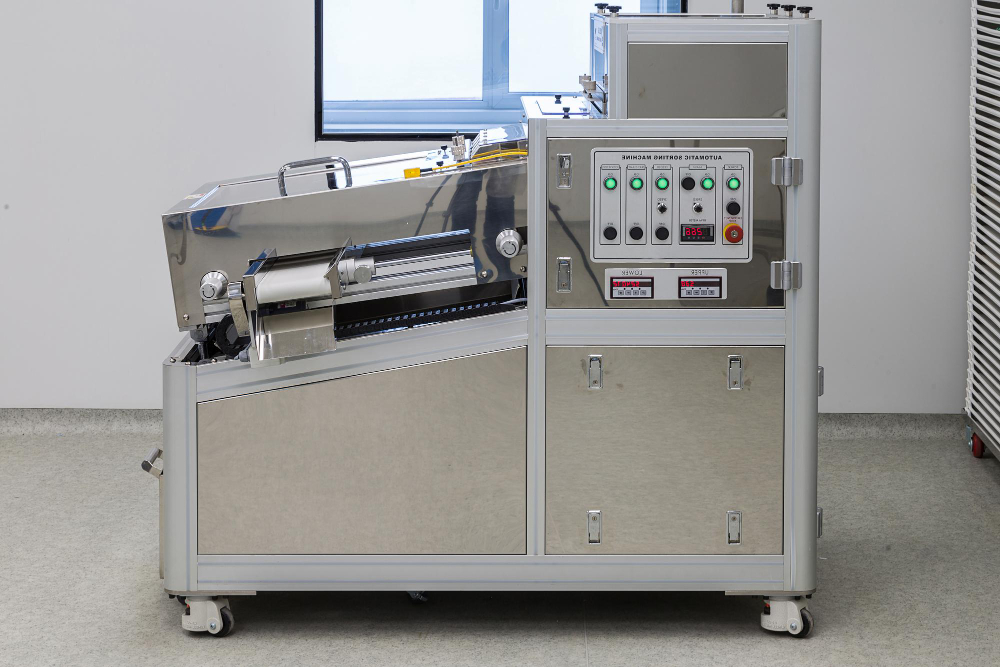
The Top Benefits of Vacuum Packing for Food Businesses
Extending Shelf Life: How Long Does Vacuum-Sealed Food Last?
One of the most compelling reasons to invest in vacuum sealing is the dramatic extension of shelf life. Fresh meat that might last three to five days in the fridge can last two to three weeks when vacuum sealed. Frozen vacuum-sealed meat can maintain quality for two to three years instead of just a few months.
Cheese, vegetables, and prepared meals all benefit similarly. This extended freshness means you can buy ingredients in bulk when prices are low, prep ahead during quiet periods, and always have quality ingredients ready to go.
Reducing Food Waste and Cutting Costs
Food waste is a massive problem for Australian food businesses—both financially and environmentally. When ingredients spoil before you can use them, that's money straight in the bin. Vacuum packing lets you portion and store food precisely, using only what you need when you need it.
Many businesses report cutting their food waste by 30-50% after implementing vacuum sealing. Those savings add up quickly, often covering the initial equipment cost within months.
Maintaining Food Quality, Flavour, and Freshness
There's nothing worse than serving ingredients that have lost their punch. Oxygen exposure causes oxidation, which degrades colour, texture, and taste. Vacuum sealing creates a protective barrier that preserves these qualities.
Your herbs stay vibrant, your meats retain their natural juices, and your prepared sauces taste as good on Friday as they did when you made them on Monday. Consistency is everything in the food industry, and vacuum packing helps you achieve it.
Improving Food Safety and Hygiene Standards
Keeping food safe isn't just good practice—it's the law. Vacuum sealing helps maintain proper food safety protocols by preventing cross-contamination, clearly dating products, and ensuring items are stored under optimal conditions.
Food safety inspectors look favourably upon businesses with robust storage systems. Vacuum-sealed products are also easier to label, track, and rotate using FIFO (first in, first out) principles.
Which Food Businesses Benefit Most from Vacuum Sealing?
Restaurants and Commercial Kitchens
Busy kitchens need efficiency. Vacuum sealing allows chefs to prep ingredients in advance, portion proteins precisely, and store house-made stocks and sauces without quality loss. It's particularly valuable for sous vide cooking, which requires vacuum-sealed bags.
Butchers and Meat Processing Facilities
For butchers, vacuum packing is practically essential. It extends the sellable life of fresh cuts, allows customers to buy in bulk confidently, and presents products professionally. Vacuum-sealed meat looks better on the shelf and travels well for customers taking purchases home.
Bakeries and Prepared Meal Services
Bakeries benefit from vacuum sealing doughs, prepped fillings, and finished products. Meal prep businesses can batch-cook and portion meals efficiently, delivering freshness to customers days after preparation.
Catering Companies and Event Suppliers
Catering requires precise planning and often involves preparing food days in advance. Vacuum sealing ensures ingredients and prepped components arrive at events in peak condition, reducing stress and improving outcomes.
Is a Commercial Vacuum Sealer Worth the Investment?
Understanding the Return on Investment
When calculating ROI, consider the cost of wasted food, labour saved through efficient prep, and the potential to buy ingredients at bulk prices. Most businesses see returns within six to twelve months.
Beyond direct savings, consider the value of consistently serving high-quality food and meeting hygiene standards. Happy customers return—and recommend you to others.
What Should You Look for When Buying a Commercial Vacuum Sealer?
Chamber vs External Vacuum Sealers: Which Is Right for You?
Chamber sealers are ideal for liquids, marinades, and high-volume operations. The entire bag sits inside the chamber, allowing for even pressure distribution. External sealers are more affordable and work well for solid foods and lower volumes.
Think about what you'll seal most often. If you're constantly working with sauces, soups, or wet marinated meats, a chamber sealer is worth the extra investment.
Key Features to Consider Before Purchasing
- Seal bar length: Ensure it fits your typical bag sizes
- Pump strength: Higher vacuum pressure means better results
- Construction materials: Stainless steel lasts longer and meets hygiene standards
- Cycle speed: Faster machines improve efficiency during busy periods
- Maintenance requirements: Check what servicing is needed and availability of parts
Common Mistakes to Avoid When Vacuum Packing Food
Don't overfill bags—leave enough space for a proper seal. Make sure the sealing area is clean and dry; moisture or debris prevents airtight seals. Always label and date your packages; even vacuum-sealed food needs tracking.
Avoid vacuum sealing foods that shouldn't be stored this way, like fresh mushrooms or soft fruits, as the pressure can damage them. Finally, don't forget to cool hot foods before sealing—heat creates steam that interferes with the vacuum process.
Can You Vacuum Seal All Types of Food?
Most foods vacuum seal beautifully, but some require care. Soft items like bread or berries may crush under vacuum pressure. Raw garlic and certain vegetables can produce gases during storage, so blanching before sealing works better.
Liquids need either chamber sealers or the freeze-before-sealing technique. With a bit of knowledge, you can adapt your approach to handle virtually anything.
Futureproofing Your Food Business
So, is a commercial vacuum packing machine worth it? Absolutely. The benefits—extended shelf life, reduced waste, maintained quality, improved food safety, and genuine cost savings—make this equipment a smart investment for virtually any food business.
Whether you're running a bustling restaurant kitchen, a neighbourhood butchery, or a growing meal prep service, vacuum sealing technology helps you work more efficiently whilst delivering consistent quality to your customers. It's one of those investments that pays for itself many times over.

You Might Like Also






