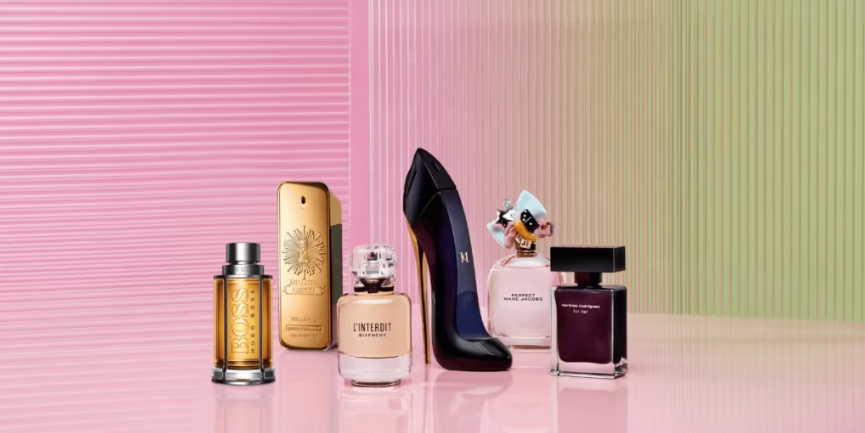

Walking into a fragrance shop can feel overwhelming. Rows of gleaming bottles, each promising a unique scent experience, create a sensory overload that leaves many shoppers confused and empty-handed. Whether you’re searching for your first signature scent or adding to an established collection, knowing how to navigate a fragrance shop effectively will transform your shopping experience from stressful to enjoyable.
The key to successful fragrance shopping lies in preparation, patience, and understanding what you’re looking for. This guide will equip you with insider knowledge to make confident decisions and find fragrances that truly resonate with your personal style.
Understanding Fragrance Shop Layout
Most fragrance shop organize their inventory by brand, price point, or fragrance family. Designer fragrances from houses like Chanel, Dior, and Prada typically occupy prime real estate near the entrance. Niche and artisan brands often have dedicated sections, while budget-friendly options might be grouped together in a separate area.
Pay attention to how scents are displayed. Testers should be clearly marked and easily accessible. Quality fragrance shops provide clean blotter strips and ensure their testers are fresh and uncontaminated. Avoid shops where testers appear old, discolored, or have missing caps—these factors affect scent quality.
Temperature-controlled environments are crucial for fragrance preservation. Reputable shops maintain consistent climate conditions and keep bottles away from direct sunlight, which can break down fragrance compounds over time.
Smart Testing Strategies
Never test more than three fragrances in a single shopping trip. Your nose becomes overwhelmed after smelling multiple scents, making it impossible to distinguish between options accurately. This phenomenon, called “nose fatigue,” can lead to poor purchasing decisions.
Start by smelling fragrances on blotter strips rather than directly on your skin. This initial test helps you eliminate options that don’t appeal to you immediately. Only apply your top choices to your skin for final evaluation.
Allow each fragrance to develop on your skin for at least 15-20 minutes before making judgments. Fragrances evolve through different phases—top notes appear first, followed by heart notes, and finally base notes. What smells overwhelming initially might settle into something beautiful, while a promising opening might disappoint as it develops.
Timing Your Visit
Shop for fragrances earlier in the day when your sense of smell is most acute. Avoid wearing strong fragrances, heavily scented lotions, or perfumed products on shopping days, as these can interfere with your ability to evaluate new scents accurately.
Consider your recent meals and beverages too. Spicy foods, coffee, or alcohol can temporarily alter your sense of smell. If you’ve consumed any of these, wait at least an hour before fragrance shopping.
Weekend mornings often provide the best shopping experience. Stores are less crowded, sales associates have more time to assist you, and you won’t feel rushed to make decisions.
Building Relationships with Sales Associates
Knowledgeable sales associates can be invaluable resources, but not all fragrance shop employees are equally informed. Look for associates who ask thoughtful questions about your preferences, lifestyle, and existing collection rather than immediately pushing expensive options.
Be honest about your budget upfront. Professional sales associates will respect your price range and suggest appropriate options rather than wasting time on unrealistic recommendations. They often know about upcoming sales or sample programs that can help you try expensive fragrances affordably.
Ask about return policies before purchasing. Reputable fragrance shops often allow returns or exchanges if a fragrance doesn’t work out, particularly for expensive purchases. Understanding these policies upfront prevents disappointment later.
Decoding Fragrance Families
Understanding basic fragrance categories helps you communicate preferences effectively and navigate shop layouts more efficiently. Fresh fragrances include citrus, aquatic, and green scents that feel clean and energizing. Floral families range from light, romantic compositions to rich, heady bouquets.
Oriental fragrances feature warm, spicy, or sweet ingredients like vanilla, amber, or exotic spices. Woody scents emphasize cedar, sandalwood, or vetiver for sophisticated, grounded compositions. Many modern fragrances blend multiple families for complex, unique profiles.
Don’t limit yourself to one category. Your perfect fragrance might combine unexpected elements, like fresh citrus with warm vanilla or floral notes with woody undertones.
Making Smart Purchase Decisions
Consider purchasing smaller sizes initially, especially for expensive fragrances. A 30ml bottle provides plenty of wearing opportunities while allowing you to determine long-term compatibility before investing in larger sizes.
Ask about discovery sets or sample programs if you’re torn between multiple options. Many brands offer mini collections that let you test several fragrances at home before committing to full bottles.
Think about versatility when building your collection. A fragrance that works for both day and evening, or transitions well between seasons, provides better value than highly specialized scents with limited wearing opportunities.
Your Fragrance Journey Starts Here
Shopping at a fragrance shop should be an enjoyable exploration of your personal style and preferences. Take your time, trust your instincts, and remember that the perfect fragrance is the one that makes you feel confident and authentic.
Start with these strategies on your next fragrance shopping trip. Pay attention to how different scents make you feel, and don’t be afraid to step outside your comfort zone. Your signature scent might be waiting in an unexpected bottle.

You Might Like Also





