Maintaining a healthy weight after treatment requires consistent habits, realistic goals, and an understanding of how the body responds to changes in medication. Patients exploring Zepbound in Dubai through resources such as Dynamic Clinic in Dubai may benefit from learning about long-term weight management strategies. Although Zepbound can support significant weight reduction, maintaining progress depends on sustainable lifestyle choices, ongoing medical guidance, and individual health factors.
Understanding Weight Changes After Zepbound
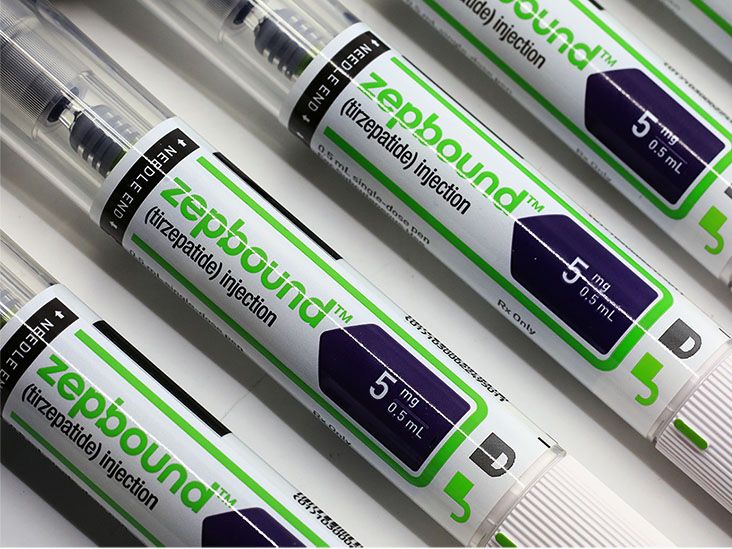
Zepbound (tirzepatide) works by activating GIP and GLP-1 receptors, which influence appetite, food intake, and blood sugar regulation. Patients often experience reduced hunger and improved control over eating habits during treatment.
However, weight management does not become automatic after stopping medication. Appetite may increase as the body adjusts, making it easier to return to previous eating patterns. Some patients may also experience weight regain if their dietary habits, activity levels, or treatment plans are not maintained.
Understanding these changes helps patients prepare for long-term weight management rather than focusing only on the number displayed on the scale.
Building Eating Habits That Support Long-Term Results
A balanced eating routine is important for maintaining weight loss after Zepbound. Restrictive diets may be difficult to follow over time, so patients should focus on nutritious meals that support fullness and overall health.
Useful dietary practices include:
Prioritizing protein: Include eggs, fish, lean meat, beans, and other protein sources to support muscle maintenance and fullness.
Choosing high-fibre foods: Vegetables, fruits, whole grains, and legumes can improve digestion and help manage appetite.
Controlling portion sizes: Eating appropriate portions can prevent excessive calorie intake without requiring extreme food restrictions.
Limiting highly processed foods: Reduce frequent consumption of sugary snacks, refined carbohydrates, and calorie-dense meals.
Staying hydrated: Drinking enough water supports normal bodily functions and helps distinguish thirst from hunger.
Patients should also avoid skipping meals regularly, as this may contribute to increased hunger and overeating later in the day.
Maintaining Muscle Through Regular Physical Activity
Physical activity supports weight maintenance by increasing energy expenditure and helping preserve lean muscle mass. Muscle tissue plays an important role in metabolism, making strength maintenance particularly relevant during weight reduction.
A balanced exercise routine can include:
Walking, swimming, or cycling for cardiovascular health.
Resistance exercises to maintain muscle strength.
Gentle stretching to support flexibility and mobility.
Everyday movement, such as taking stairs and walking during breaks.
Exercise intensity should match individual fitness levels and medical circumstances. Patients who have been inactive for an extended period may benefit from gradually increasing their activity with professional guidance.
Managing Appetite and Food Cravings
Changes in appetite are common concerns when patients reduce or discontinue Zepbound. Because the medication influences hunger-related signals, patients may notice stronger food cravings as its effects diminish.
Developing practical appetite-management strategies can help:
Recognize hunger patterns: Keeping track of eating habits may reveal situations that trigger unnecessary snacking.
Eat balanced meals: Combining protein, fibre, and healthy fats can help support fullness between meals.
Avoid emotional eating: Stress, boredom, and anxiety can influence food choices. Identifying these triggers makes it easier to develop healthier responses.
Maintain regular meal routines: Consistent eating patterns can reduce unpredictable hunger and excessive snacking.
Mindful eating is also useful. Eating slowly, paying attention to fullness, and avoiding distractions during meals can improve awareness of portion sizes.
Why Sleep and Stress Management Matter
Sleep quality and stress levels can influence appetite regulation and weight management. Inadequate sleep may affect hormones involved in hunger and fullness, while ongoing stress can increase emotional eating and cravings.
Patients can support healthier routines by maintaining consistent sleeping hours, limiting screen exposure before bedtime, and including relaxing activities in their daily schedules.
Stress-management techniques such as meditation, breathing exercises, outdoor walks, and enjoyable hobbies may also help reduce behaviours associated with weight regain.
Monitoring Progress Without Becoming Overly Focused on Weight
Regular monitoring helps patients recognize changes before they become difficult to manage. However, progress should not be measured through body weight alone.
Other useful indicators include:
Changes in waist measurements and clothing fit.
Improvements in physical endurance.
Consistency in healthy eating habits.
Better energy levels and mobility.
Changes in blood pressure and metabolic health markers, when medically assessed.
Weight can fluctuate because of hydration, digestion, hormonal changes, and other factors. Patients should focus on long-term patterns rather than reacting to temporary changes.
The Importance of Medical Follow-Up After Treatment
Patients should discuss any plans to reduce, pause, or discontinue Zepbound with a qualified healthcare professional. Stopping treatment without guidance may make appetite changes and weight regain more difficult to manage.
A healthcare professional can assess individual progress, review relevant medical conditions, and determine whether continued treatment or another weight-management approach is appropriate.
Follow-up appointments may also help identify nutritional concerns, changes in blood glucose, and other factors affecting long-term results. Patients should not independently change their dosage or restart medication without medical advice.
Conclusion
Maintaining weight loss after Zepbound requires a long-term approach that combines balanced nutrition, regular exercise, sufficient sleep, and effective stress management. Appetite changes may occur when treatment is reduced or discontinued, so preparing for these changes is important. Consistent medical follow-up and realistic lifestyle adjustments can help patients protect their progress and support healthier weight management over time.

You Might Like Also


How Can Patients Understand the Factors Behind Liposuction Cost?