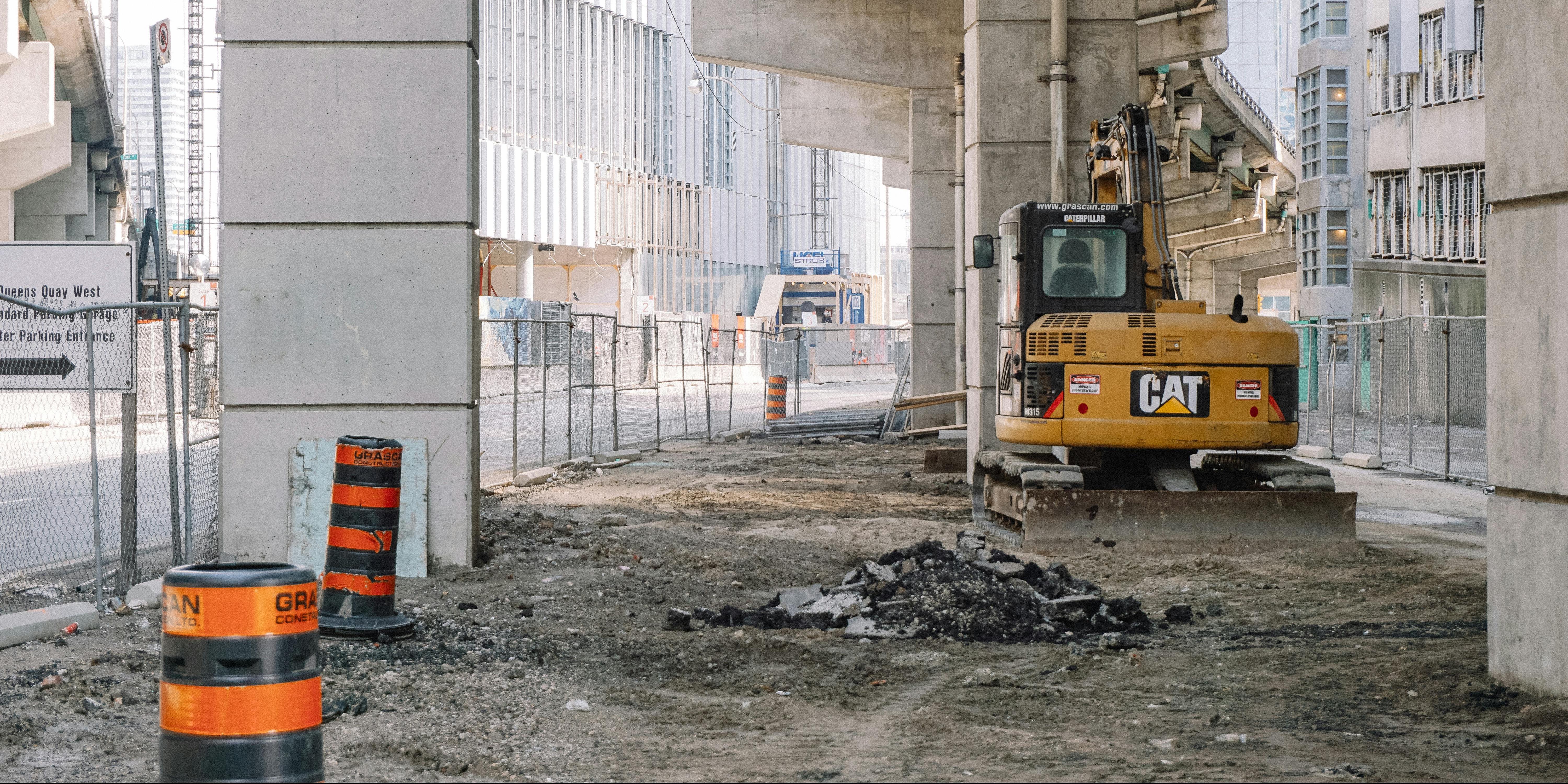
The construction industry, long considered traditional and slow to adopt change, is undergoing a rapid transformation driven by technological advancements, sustainability imperatives, and evolving workforce dynamics. As the world faces increasing urbanization, climate change challenges, and the need for more efficient infrastructure, the future of construction is being shaped by innovation and new trends that promise to revolutionize how buildings and infrastructure are designed, built, and maintained.
In this article, we will explore the most significant construction industry trends of the future, including digital transformation, sustainability, automation, new materials, and workforce evolution. Understanding these trends is essential for stakeholders, from contractors and architects to investors and policymakers, who want to stay ahead in this dynamic sector.
1. Digital Transformation and Building Information Modeling (BIM)
Digitalization is at the core of the construction industry's future. Building Information Modeling (BIM) is one of the most influential technologies reshaping construction projects. BIM allows architects, engineers, and contractors to create and manage digital representations of physical and functional characteristics of a project.
BIM facilitates collaboration across all stakeholders by providing a shared knowledge base, reducing errors, and improving project outcomes. Future BIM developments will integrate more artificial intelligence (AI) and machine learning capabilities, enabling predictive analytics, real-time monitoring, and automated clash detection. Additionally, by leveraging BIM data, an efficient licensed surveyor can quickly and accurately assess site conditions and ensure precise measurements, streamlining the pre-construction process.
Furthermore, Digital Twins — virtual replicas of physical assets — are gaining prominence. They enable continuous monitoring and maintenance of buildings and infrastructure, improving lifespan and reducing operational costs. This integration of digital technologies leads to smarter, more efficient construction and facility management.
2. Sustainability and Green Building
Environmental concerns are increasingly driving the construction industry toward greener practices. The future of construction is heavily focused on sustainability, from the design phase through construction and lifecycle management.
Key sustainable trends include:
- Net-zero and carbon-neutral buildings: Achieving buildings with zero net energy consumption or carbon emissions will become a standard, driven by regulatory pressures and consumer demand.
- Use of recycled and eco-friendly materials: Innovations in materials science are enabling the use of recycled concrete, reclaimed wood, and bio-based composites, reducing the environmental footprint.
- Energy-efficient design and smart systems: Integrating renewable energy sources (solar panels, wind turbines) and energy management systems ensures efficient building operations.
- Water conservation technologies: Rainwater harvesting, greywater recycling, and smart plumbing systems will reduce water consumption.
Green certifications such as LEED (Leadership in Energy and Environmental Design) and WELL Building Standard will continue to gain importance as clients demand more sustainable construction.
3. Automation and Robotics
Automation is revolutionizing the way construction work is done, promising to address labor shortages, improve safety, and boost productivity. Robotics are increasingly used for tasks such as bricklaying, concrete pouring, welding, and site surveying.
Drones play a critical role in monitoring progress, conducting site inspections, and gathering data for planning and safety compliance. Autonomous machinery and vehicles will become more common, working alongside human workers to handle repetitive or hazardous tasks.
Robotic exoskeletons are also emerging as wearable technology to assist workers with heavy lifting and reduce physical strain. These advances will transform construction sites into highly automated environments, increasing efficiency while minimizing human risk.
4. Advanced Materials and 3D Printing
The development of new materials is essential to the future of construction. Innovations such as self-healing concrete, aerogels for insulation, transparent aluminum, and graphene-enhanced composites offer enhanced durability, strength, and sustainability.
3D printing is another groundbreaking trend reshaping construction. Large-scale 3D printers can build entire walls or even complete houses by layering concrete or other materials according to digital blueprints. This technology allows for faster construction, less waste, and highly customizable designs.
In the near future, 3D-printed buildings might become standard, especially for affordable housing and disaster relief, as they drastically reduce labor costs and build times.
5. Modular and Prefabricated Construction
Modular and prefabricated construction methods are gaining momentum as a means to speed up project delivery, reduce costs, and improve quality control. Components or entire sections of buildings are manufactured offsite under controlled conditions and then transported to the construction site for assembly.
This approach minimizes weather-related delays, enhances safety, and lowers environmental impacts. It also aligns well with digital design and BIM, allowing precise prefabrication that fits perfectly with onsite assembly.
The future will see more hybrid models where modular components integrate with traditional onsite construction to maximize efficiency and flexibility.
6. Enhanced Safety Through Technology
Safety is paramount in construction, an industry historically associated with high risks and accidents. Emerging technologies are making construction sites safer and more compliant with regulations.
Wearable devices equipped with sensors can monitor workers’ vital signs and environmental hazards, alerting supervisors to potential dangers in real time. AI-powered cameras and drones are used to detect unsafe behaviors or conditions and automatically trigger safety protocols.
Virtual reality (VR) and augmented reality (AR) are also revolutionizing safety training, allowing workers to experience realistic simulations of dangerous scenarios without risk, thereby better preparing them for real-life challenges.
7. Smart Cities and Infrastructure Integration
As urban populations grow, cities are evolving into complex ecosystems requiring integrated infrastructure solutions. The future of construction is closely tied to the development of smart cities, where buildings, transportation networks, utilities, and communication systems are interconnected through IoT (Internet of Things) technologies.
Smart infrastructure includes intelligent traffic management, smart grids, energy-efficient street lighting, and responsive water management systems. Construction projects will increasingly require integration with these digital urban ecosystems to improve livability, sustainability, and resilience.
8. Workforce Evolution and Skills Development
The construction workforce is experiencing a significant shift. Aging labor pools, labor shortages, and the demand for new technical skills are driving changes in hiring and training practices.
Future construction workers will need digital literacy and familiarity with advanced machinery and software tools. Companies are investing in upskilling and reskilling programs, including VR-based training and apprenticeships focused on technology and sustainability.
The industry is also becoming more inclusive, promoting diversity and gender equality to attract a broader talent pool.
9. Data Analytics and Project Management Tools
Big data and analytics are playing an increasing role in optimizing construction projects. By analyzing data from sensors, project management software, and market trends, companies can better forecast costs, schedules, and resource needs.
Cloud-based collaboration platforms improve communication among stakeholders, ensuring transparency and faster decision-making. AI-driven project management tools help identify potential risks and optimize workflows.
The use of blockchain technology for secure contract management and supply chain transparency is another emerging trend that will enhance trust and efficiency.
10. Resilience and Disaster-Resistant Design
Climate change has intensified the frequency and severity of natural disasters, prompting the construction industry to prioritize resilient design. Future buildings and infrastructure will be designed to withstand floods, earthquakes, hurricanes, and other extreme events.
This trend involves innovative structural engineering, use of flexible and durable materials, and incorporation of redundancies to maintain functionality during crises. Urban planning will increasingly consider disaster risk reduction through zoning, green infrastructure, and emergency preparedness.
The construction industry of the future is set to be a high-tech, sustainable, and collaborative sector, driven by digital innovation, automation, and evolving societal demands. Embracing these trends will be essential for companies and professionals who want to remain competitive and contribute to building a more resilient and sustainable built environment.
From digital twins and BIM to modular construction and green building, the integration of new technologies and practices promises safer, faster, and more efficient construction processes. As cities become smarter and climate challenges grow, the industry must also prioritize sustainability and resilience.
Investing in workforce skills and leveraging data analytics will further ensure that construction projects are delivered on time, within budget, and with minimal environmental impact. The future is bright for the construction industry — a future where innovation meets responsibility.

You Might Like Also

Enhancing Residential Areas: Sustainability, Safety, and Smart Design


Keeping Your Facility Running: Common Industrial Plumbing Repairs

Practical Steps to Secure Your Family’s Financial Future

Best Industries for Investments in Today’s Market

Essential Insights into Today’s Tactical Equipment Market

What’s Next for Electricians? Career Insights for the Future




