
When most people think about visiting the dentist, they imagine cleanings, fillings, or perhaps a drill. What they don’t frequently suppose is how important the speed of those tools really is. In modern dental care, having the right dental speed-the correct gyration rate of a handpiece-plays a big part in how easily treatments go.
Dentists rely on high-quality speed-adding and speed-reducing handpieces every day to make procedures precise and comfortable. These tools help keep appointments effective, reduce case stress, and ameliorate overall performance.
In this blog, we’ll explore what dental speed biases are, why they count, and how they help dental professionals do their job well.
What Is “Dental Speed,” and Why Does It Matter?
“Dental speed” refers to how quickly a handpiece or attachment rotates during a dental procedure. Different procedures bear different pets.
- High-speed burs: are generally used for cutting through enamel and preparing teeth for paddings or crowns.
- Low speeds: are frequently used for polishing, finishing, and laggingly, controlled tasks similar to conforming dentures or drawing around implants.
Having the right speed at the right time makes a huge difference for both the dentist and the case. It helps ensure procedures are done easily, with better results and lower discomfort.
What Are Speed-Adding and -Reducing Handpieces?
There are two main types of speed tools used in conventions.
Speed adding handpieces:
These tools raise the base gyration speed of the motor so that the hum spins briskly. High speed is essential for cutting through enamel or removing old paddings. Dentists use them when they need perfection and strength.
Speed Reducing Handpieces:
These slow down the gyration from the motor, giving the dentist more control when working on the delicate corridor of a tooth or when polishing and finishing restorations. They're frequently used in orthodontic adaptations, trimming crowns, or polishing.
Together, these tools allow dentists to acclimatise to any part of a treatment, from quick slice to careful finishing.
How Dental Speed Tools Improve Case Comfort:
For numerous people, the sound or sense of dental tools can bring about anxiety. When speed tools work well, they:
- Make procedures briskly
- Reduce pressure on the tooth
- Bear smaller adaptations
- Reduce vibration and noise
- Help reduce discomfort
When dentists can switch between high-speed and low-speed easily, it keeps the appointments flowing easily. Patients frequently report that streamlined handpieces feel less scary and more comfortable than aged tools.
Why Professional Speed Tools Matter:
Good-quality dental speed handpieces are more than just fast tools. They help produce a dependable and harmonious experience in every treatment.
They support dentists through:
- More Precision - Correct speed leads to accurate results, whether cutting or smoothing.
- Further Control - Slower pets offer control during delicate procedures.
- Lower Fatigue - Well-balanced tools reduce strain on hands and wrists.
- Reliable Performance - High-quality tools maintain performance over numerous procedures.
Choosing the right speed handpiece supports better clinical work, which improves issues and patient satisfaction over time.
When Each Speed Is Used:
Every dental appointment may involve different tools depending on the procedure.
- Preparing a Crown - A dentist may begin with a speed adding tool to shape the enamel quickly.
- Filling a Cavity - High speed helps remove decayed material efficiently.
- Polishing After Drawing - A speed-reducing tool makes the face smooth without scratching.
- Orthodontic Adjustment - Slower pets help trim or acclimate appliances precisely.
This inflexibility makes dental treatments feel easier and more precise for both the croaker and the case.
How Conventions Choose the Right Speed Tools:
When opting for speed-adding and reducing handpieces, dental professionals look for:
- Smooth Gyration
- Comfort in Hand
- Low Noise
- Durability
- Easy conservation
A tool that checks all of these boxes becomes a trusted part of diurnal practice.
Improving Confidence in Everyday Dentistry:
A quick, clean, and comfortable treatment helps build patient trust. When someone sits in the dental chair, knowing the tools will work as anticipated, it creates a better overall experience.
That’s exactly what quality dental speed tools help achieve.
Conventions that invest in streamlined, dependable speed by adding and reducing handpieces frequently notice that Patients feel more confident and relaxed. Smooth procedures lead to shorter appointments and more positive feedback.
Final Thoughts
Dental speed may sound like a specialised term, but it’s really about making treatments work better for real people. When dentists have the right tools, treatment is more precise, more comfortable, and more effective.
Speeding up handpiece use helps with slicing and shaping.
Speed-reducing handpieces support control and finesse.
Together, they help dental professionals give care that feels natural, safe, and smooth.
Whether you’re preparing a crown, polishing a cleaning, or conforming an appliance, the right dental speed tool still supports every step.
Visit: US VSDent

You Might Like Also
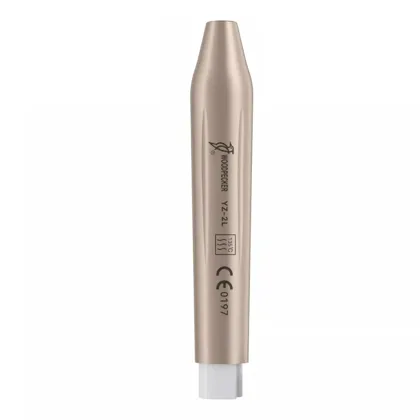
Why Scaling & Polishing Are Important for Everyday Dental Health

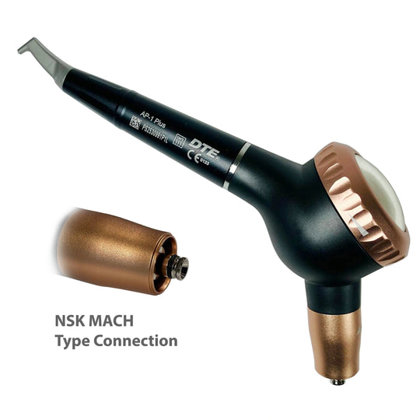
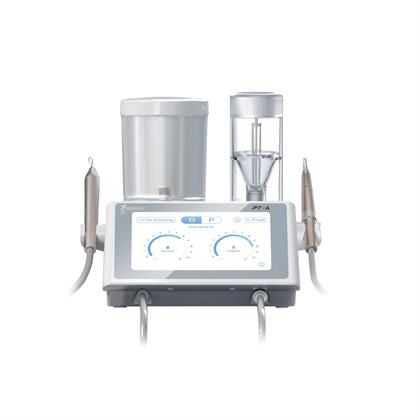
PT-A and AP-A: Understanding the Difference Between Two Air Polishing




