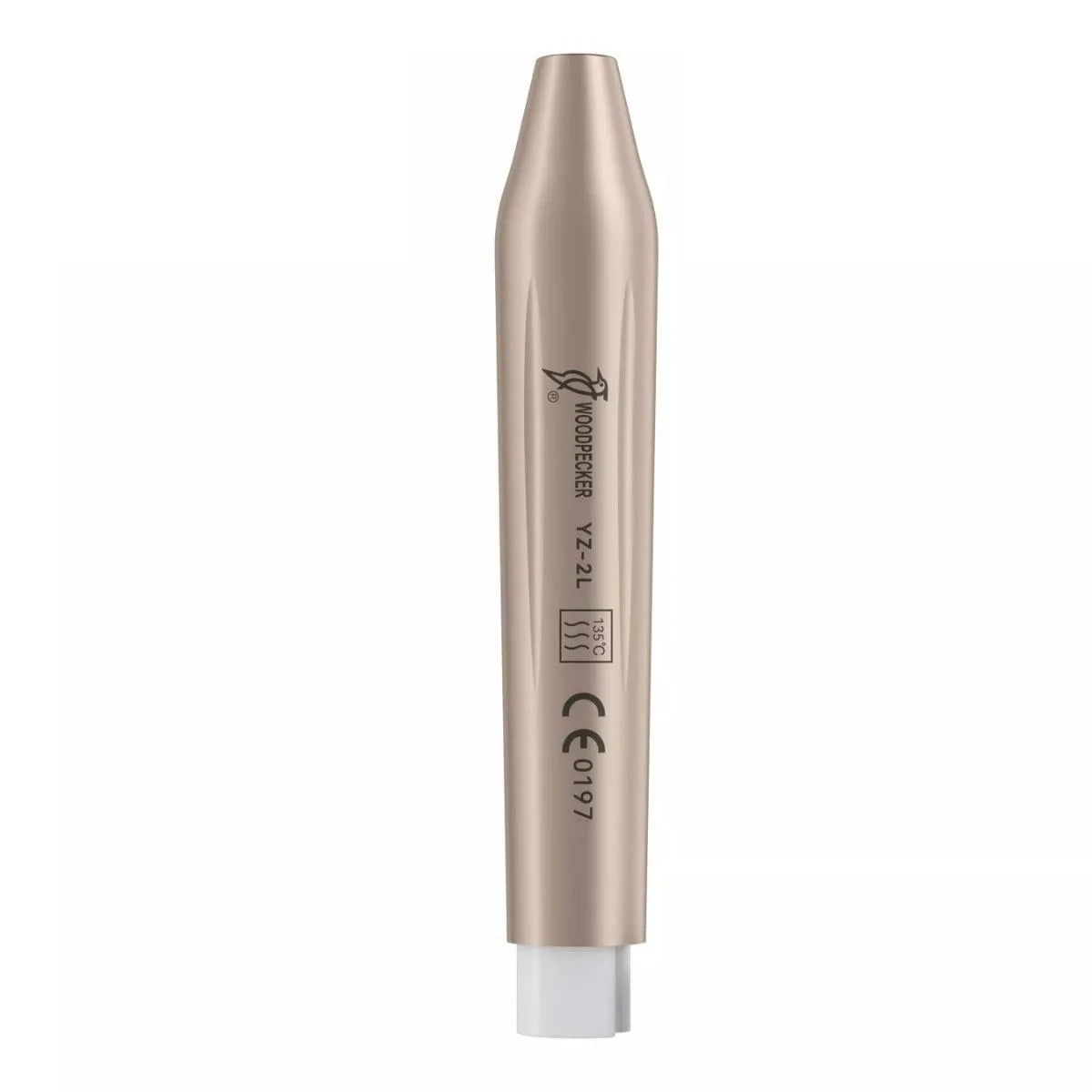
Good oral health is about more than brushing and flossing at home. Indeed, with the stylish diurnal care, plaque and tartar can be removed in places a toothbrush cannot reach. That’s where scaling & polishing come in - two essential procedures that help keep teeth clean, gums healthy, and smiles looking great.
Whether someone is coming in for a routine check-up or managing specific concerns, scaling & polishing play a crucial part in preventative dental care. Let’s look at what these procedures do, why they count, and how ultramodern dental tools make the experience easier and more comfortable.
What Is Scaling & Polishing?
Scaling is the process of removing the plaque and tartar from the surface of the teeth and below the gumline. Over time, bacteria in the shrine harden into tartar (also called "tartar"), which cannot be removed with regular brushing. scaling gently but effectively breaks down and lifts this buildup so teeth and gums can stay healthy.
Polishing comes after scaling. Once the teeth are clean, polishing smooths the tooth surface to remove staining and rough patches. A smooth face helps prevent future plaque from sticking and creates a fresh, clean sense that most appreciate.
Why Scaling & Polishing Matter for Oral Health
Numerous people suppose clean teeth just mean brushing twice a day, but that’s not always enough. Shrines can hide between teeth, near the gumline, and in areas delicate to reach with a toothbrush or floss. If not removed, tartar hardens into tartar, and tartar forms; only a dental professional can remove it.
How scaling & polishing help
- Prevents Gum Disease
Tartar buildup near the gums can cause irritation and inflammation. Scaling removes this buildup before it leads to gingivitis or more serious gum complaints. - Reduces Bad Breath
Plaque and tartar can trap food particles and bacteria, contributing to habitual bad breath. A professional cleaning eliminates bacteria and freshens breath. - Improves Tooth Appearance
Polishing helps reduce face stains caused by coffee, tea, smoking, or food. The result is a lustrously smoother smile. - Promotes Overall Health
Research shows a link between good health and overall health. Healthy gums may help reduce the threat of heart complaints, diabetes complications, and certain infections.
What Happens During Scaling & Polishing
When a dentist or hygienist performs scaling & polishing:
First, they assess the mouth to see where plaque and tartar have collected. Also, they use professional tools to precisely remove that buildup. moment’s outfit is designed to be effective and gentle.
After scaling, polishing is done with a special handpiece that sprays an mixture of air, water, and polishing paste onto the tooth face. This removes minor stains and leaves the teeth feeling smooth and clean.
Numerous patients are surprised at how comfortable ultramodern scaling & polishing feels - especially compared to older scraping methods.
How Ultramodern Tools Make the Experience More Comfortable
Dental professionals now use advanced instruments that make scaling & polishing more comfortable and effective. Ultrasonic scalers use a gentle climate to break down grime and tartar quickly without harsh scraping.
When paired with polishing bias, this approach leaves teeth cleaner and patients feeling more at ease.
Ultramodern scaling and polishing instruments are designed to
- Work briskly, reducing time in the dental chair
- Be gentle on sensitive gums and teeth
- Reach tricky areas where buildup hides
- Ameliorate visibility and access for the dentist
These advancements help make cleanings feel smoother and less intimidating-indeed, for patients who formerly stressed dental visits.
How frequently Should You Get a Cleaning?
Most dental professionals recommend scaling & polishing every six months as part of a routine check-up. Still, some people may need further frequent cleanings, especially if they're prone to gum issues, heavy plaque buildup, or periodontal disease.
Regular professional cleaning doesn’t just keep teeth bright-it protects the gums, prevents unborn problems, and supports long-term oral health.
Scaling & Polishing Boosts Confidence Too
A clean smile can do more than cover oral health - it can boost confidence. When teeth feel smooth and look bright, patients frequently walk out of the clinic feeling happier and more comfortable with their smile.
Good dental hygiene and regular cleanings also help people stick with their home care routines. When someone sees immediate results after a professional cleaning, it frequently encourages them to stay harmonious with brushing and flossing at home.
What Patients Should Know Before Their Appointment
Numerous patients feel nervous about scaling & polishing, especially if they’ve had sensitive gums in their history. That’s what most people find reassuring once they witness a professional cleaning:
- The process is quick, frequently taking less than an hour
- Ultramodern tools reduce pressure and discomfort
- There’s little or no pain when performed duly.
- Gums may feel slightly tender after drawing, but this generally goes down snappily
- A sense of newness and smoothness lasts long after the appointment
Dentists and hygienists always work precisely and frequently explain each step so patients know what to anticipate - helping make comfort and confident.
Final studies
Scaling & polishing are further than just ornamental treatments. They're a foundational way of maintaining healthy teeth and gums. With ultramodern tools and gentle ways, cleanings have come lightly and more affably than ever before.
Whether it’s your first visit or a routine appointment, scaling & polishing help cover your smile for the long run - both in appearance and in health.
Clean teeth, healthy gums, and confident grins - that’s what scaling & polishing help make possible every day.

You Might Like Also

Dental Speed Handpieces for Faster, Easier Treatments



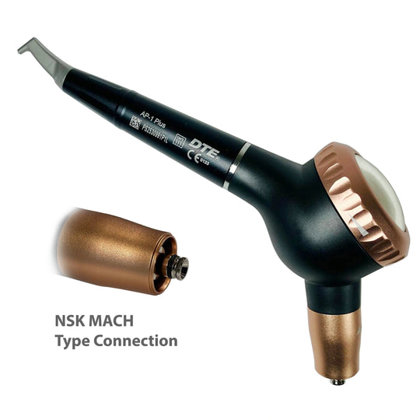


PT-A and AP-A: Understanding the Difference Between Two Air Polishing




