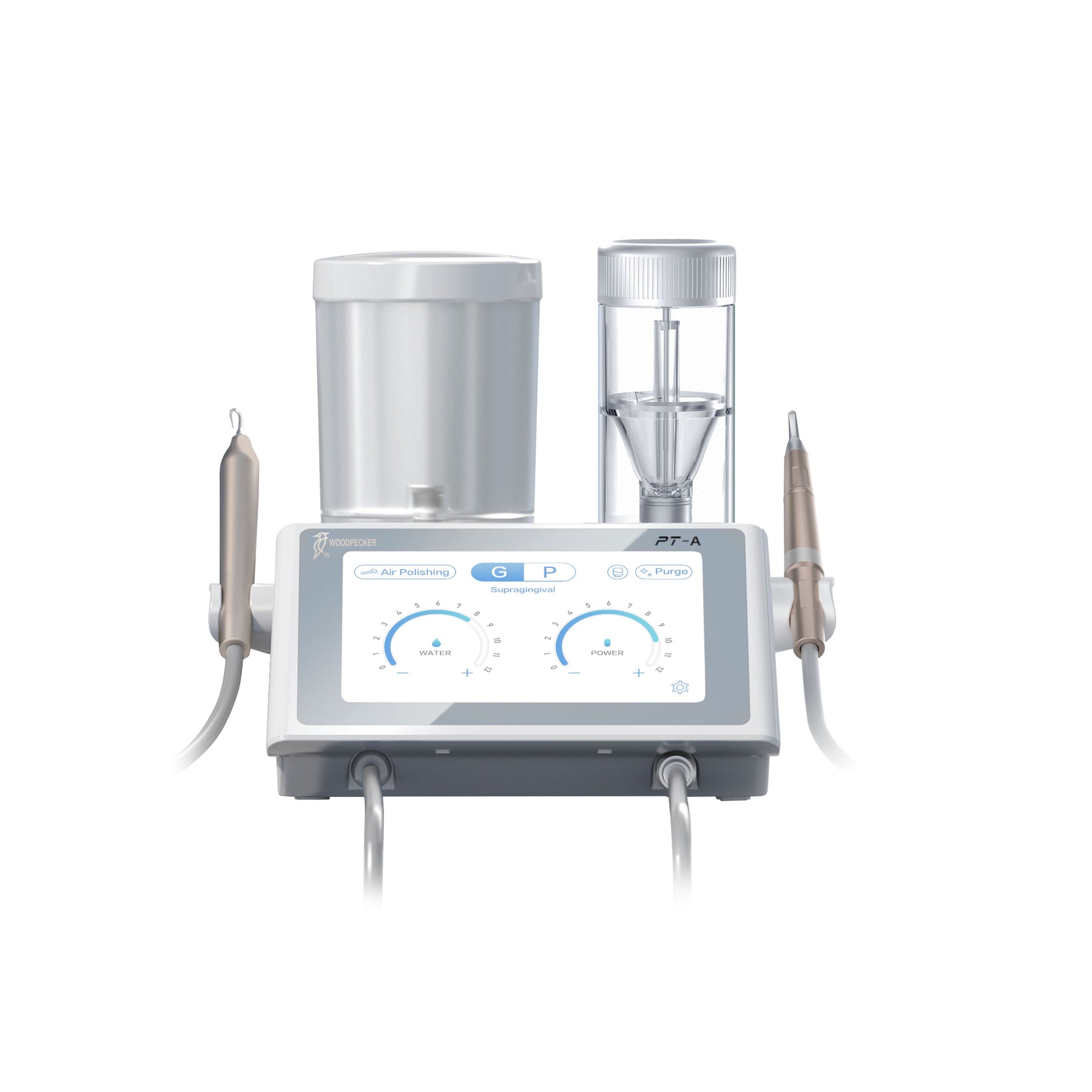
Air polishing has become an important part of ultramodern dental hygiene. It helps remove stains, shine, and biofilm gently while perfecting patient comfort. Woodpecker offers two popular results in this space: PT-A and AP-A. While both are designed to ameliorate cleaning and polishing results, they serve slightly different purposes in a dental clinic.
In this blog, we’ll explain what PT-A and AP-A are, how they're used, and which type of dental practice each one is best suited for - in simple, easy-to-understand language.
What Is the PT-A?
The Woodpecker PT-A is a combined ultrasonic scaler and air polisher. This means it brings two important functions into one single unit. It can be used for ultrasonic scaling to remove hard deposits like plaque, and it can also perform air polishing to remove surface stains and biofilm.
Because it combines both functions, the PT-A is designed for conventions that want a complete hygiene result in one machine.
How PT-A Is Used in Daily Practice
PT-A is frequently used for:
- Removing heavy tartar using ultrasonic scaling
- Deep cleaning around epoxies
- Periodontal conservation
- Implant cleaning (with applicable tips and maquillages
- Finishing treatment with air polishing for stain junking
Dentists and hygienists can move from scaling to polishing without changing machines, which saves time and keeps the workflow smooth.
What Is the AP-A?
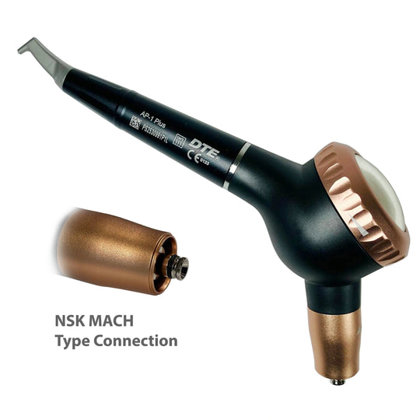
The DTE Woodpecker AP-A is a devoted air-flow air polisher. Unlike PT-A, it doesn't include ultrasonic scaling. Its only job is air polishing, and it does that very well.
AP-A is designed for conventions that formerly had an ultrasonic scaler and are looking to add air polishing to their hygiene routine.
How AP-A Is Used in Daily Practice
AP-A is generally used for:
- Removing face stains from coffee, tea, or smoking
- Biofilm junking during routine cleanings
- Cosmetic polishing
- Cleaning around braces and orthodontic appliances
- Conservation cleanings
Because it focuses only on air polishing, AP-A is simpler to use and quicker to set up.
Crucial Difference in Function
The main difference between PT-A and AP-A comes down to function.
- PT-A is a two-in-one unit. It handles both ultrasonic scaling and air polishing. This makes it suitable for more complete hygiene treatments, especially when patients have heavy deposits or periodontal diseases.
- AP-A is a single-function unit. It's focused entirely on air polishing. It doesn't remove hard math, but it excels at stain junking and gentle cleaning.
In simple terms:
- PT-A = scaling + air polishing
- AP-A = air polishing only
Difference in Clinic Workflow
PT-A is frequently chosen by conventions that want:
- One machine for multiple hygiene steps
- Lower outfit clutter
- A streamlined cleaning process
- Inflexibility in handling different patient needs
AP-A fits better in conventions where:
- An ultrasonic scaler is formally in place
- Air polishing is added as a redundant step.
- Focus is on ornamental cleaning and conservation
- A compact, easy-to-use polisher is preferred.
Both units ameliorate workflow, but in different ways.
Patients Experience
From a patient’s point of view, both PT-A and AP-A ameliorate comfort compared to traditional polishing styles.
PT-A allows the hygienist to handle heavy buildup and finish with gentle air polishing in one session. This frequently results in a cleaner sense and shorter appointment time.
AP-A is especially appreciated by patients who want stain-removing with minimal discomfort. The air polishing feels light and less aggressive, which is ideal for sensitive teeth.
Which One Is Right for Your Practice?
PT-A is a better choice if:
- You want an all-in-one hygiene system.
- You regularly treat Patients with heavy tartar.
- You want both scaling and polishing in one unit.
- You prefer smaller machines in the operatory.
AP-A is a better choice if:
- You formerly used an ultrasonic scaler.
- You want to upgrade your polishing process.
- Your focus is on stain junking and biofilm control.
- You want a devoted air polishing unit.
Neither option is “better” overall - they're simply designed for different requirements.
Why Both Are Valuable Tools
Both PT-A and AP-A represent ultramodern approaches to dental hygiene. They help:
- Ameliorate cleaning results
- Reduce patient discomfort
- Speed up hygiene movements
- Support better oral health issues
Air polishing has become a standard part of professional dental cleaning, and both units support that thing in their own way.
Conclusion
PT-A and AP-A are both high-quality air polishing results from Woodpecker, but they serve different places in a dental practice. PT-A offers a complete result by combining ultrasonic scaling and air polishing in one unit. AP-A focuses purely on air polishing, making it a simple and effective addition to conventions that formerly had scaling outfits.
Understanding the difference helps dental professionals choose the right tool based on their workflow, patient requirements, and treatment style.
Explore the Woodpecker PT-A Ultrasonic Scaler and Air Polisher and the DTE Woodpecker AP-A Air Flow Air Polisher at US VSDent to find the result that stylishly fits your practice.

You Might Like Also

Dental Speed Handpieces for Faster, Easier Treatments

Why Scaling & Polishing Are Important for Everyday Dental Health