When most people think about dental treatments, they imagine drills, glasses, and the dentist’s president. But behind nearly every stuffing, crown, or form, there are two accoutrements that still do the utmost of the work - dental Compositae and dental cements. They might look simply, but they play a huge part in keeping teeth strong, healthy, and functional.
In this blog, we’ll break down what these accoutrements are, why dentists calculate on them every day, and how they help produce long-lasting, natural-looking grins - each in simple and easy language.
What are dental Compositae?
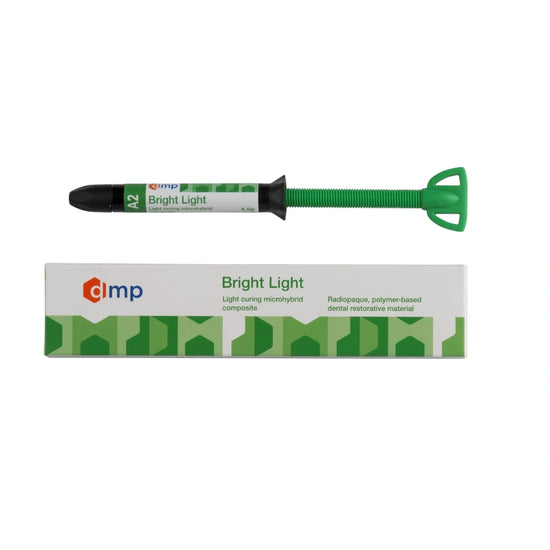
Dental Compositae are tooth-coloured accoutrements used to repair or rebuild teeth. If you’ve ever had a white filling or a minced tooth fixed, the dentist most probably used a compound.
They start off soft and mouldable. The dentist shapes the material precisely and also hardens it with a special curing light. After polishing, the repaired area blends beautifully with the rest of the smile.
Why Dentists Use Compositae
Dental Compositae are popular because they are:
- Natural-looking - They match the colour of your teeth.
- Strong and durable - Great for everyday chewing and biting.
- Protean - Ideal for paddings, ornamental repairs, and reshaping teeth.
- Minimally invasive - Dentists remove less healthy teeth compared to essence paddings.
Compositae also bonds directly to the tooth face, which helps strengthen the tooth rather than weaken it.
Where Compositae Are Used
Dentists use dental Compositae for numerous treatments, including:
- Filling depressions
- Repairing minced or broken teeth
- Cosmetic relating
- Ending small gaps
- Rebuilding worn edges
- Reshaping uneven teeth
- Small smile advancements
Because they blend with natural teeth and are gentle on enamel, Compositae are now one of the most extensively used accoutrements in dentistry.
What Are Dental Cements?
Dental cements are special accoutrements used to hold dental restorations in place. Suppose of them as the strong “cement” that attaches crowns, islands, inlays, posts, and temporary repairs.
They don’t just stick effects together - they also cover the tooth underneath.
Why Dental Cements Matter
Dental cements give several important benefits:
- Secure hold - They keep crowns and islands forcefully attached.
- Sealing protection - They help prevent bacteria from entering small gaps.
- Bumper - They act as a buffer between the tooth and the restoration.
- Strengthening - Some types of bonds to the tooth and support the remaining structure.
- Fluoride release - Numerous cements help cover the tooth from unborn decay.
Without the right cement, indeed the best-made crown or ground would not last long.
Types of Dental Cements
Different types are used for different treatments:
- Resin cements - Veritably strong; ideal for crowns, inlays, and veneers.
- Glass ionomer cements (GIC) - Long-lasting and release fluoride.
- Zinc oxide eugenol cements - Give soothing relief for sensitive or sore teeth; used for temporary restorations.
- Temporary cements - Habituated when an endless result isn’t ready yet.
Each cement type has its own strengths, and dentists choose the right one based on the case’s requirements.
How Compositae and Cements Work Together
In numerous treatments, dental Compositae and cements work as a platoon.
For illustration:
- A tooth may be rebuilt with compound before a crown is placed.
- The crown is also secured with cement.
- Final ornamental traces might be done using compound again.
This combination helps restore both function and appearance in the most natural way possible.
How These Accoutrements Ameliorate Everyday Dental Care
1. More-Looking Results
Compositae match natural teeth so well that most people cannot tell the difference. Cements used for crowns or veneers also help produce smooth, clean edges that look natural.
This means cases can smile confidently without fussing about egregious dental work.
2. Less Pain and Further Comfort
Both accoutrements are designed to be gentle:
- Compositae bear lower drilling
- Glass ionomer cements release fluoride.
- Zinc oxide eugenol cements soothe bothered teeth.
This leads to more comfortable movables and better mending.
3. Strong, Long-Lasting Restorations
Ultramodern Compositae are tough and resistant to wear. Quality dental cements ensure crowns, inlays and other restorations stay secure for numerous times.
Together, they help:
- Loose crowns
- Cracked paddings
- Perceptivity under restorations
- Early failures
4. Faster, smoother movables
Because Compositae hardens within seconds under a curing light, dentists can work efficiently without keeping cases in the present longer than necessary.
Numerous dental cements also set snappily, helping treatments move along easily.
5. Perfect for Both Small and Large Repairs
Whether it's a bitsy depression or a full smile restoration, these accoutrements can handle nearly anything.
Compositae are great for:
- Minor chips
- Cosmetic fixes
- Small paddings
Cements are essential for:
- Crowns
- Islands
- Veneers
- Temporary restorations
Why High-Quality Accoutrements Matter
Not all Compositae and Cements are the same. High-quality accoutrements offer:
- More relating strength
- Natural-looking colour and shine
- Long-lasting continuity
- Reduced threat of perceptivity
- Further predictable results
Dentists trust dependable brands because they help deliver treatments that not only look good but also last for times.
A Better Experience for Every Case
Cases may not see the Compositae or cement being used, but they surely feel the difference subsequently:
- A comfortable bite
- A secure and stable crown
- A natural-looking form
- Lower perceptivity
- A stronger, healthier smile
Good accoutrements help dentists produce results that feel natural and boost confidence every day.
Visit: Qudent
Conclusion
Dental Compositae and dental cements may feel like a small corridor of the dental world, but they make an enormous impact. Compositae help rebuild and bedeck teeth in a natural way. Cements keep restorations secure, defended, and functional.
Together, they form the foundation of ultramodern restorative dentistry - helping dentists form teeth, cover them, and restore grins with strength and comfort.

You Might Like Also


How Ultrasonic Cleaners Support Better Oral Care

Support Design Seating for Everyday Comfort


Acteon Supporting Modern Dentistry with Smart and Gentle Technology