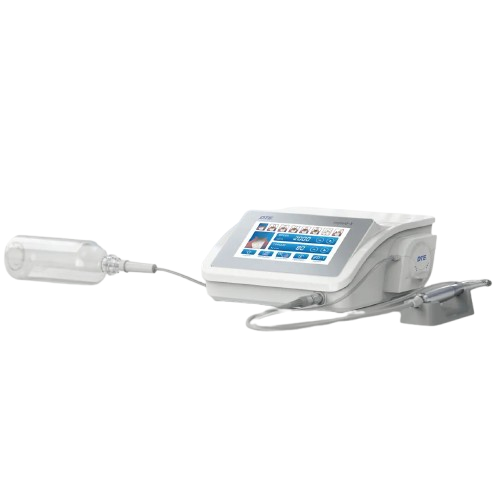
Implant Air Motor and Implant X Motor: Understanding the Difference in Simple Terms
December 15, 2025
When a dentist places a dental implant, the tools they use count a lot. One of the most important tools during implant treatment is the implant motor. Cases may not notice it, but it plays a big part in how smooth, safe, and comfortable the procedure feels.
Two generally used motors are the Implant Air Motor and the Implant X Motor. Both help dentists place implants directly, but they work in slightly different ways. Understanding the difference doesn't need to be complicated. Let’s break it down in simple terms.
What Does an Implant Motor Do?
An implant motor powers the handpiece that the dentist uses to prepare the bone and place the implant. It controls how fast the handpiece turns and how much force is applied. This control is important because the dentist is working with bone, which needs to be treated gently.
A good implant motor helps the dentist work steadily and calmly. It also helps cover the bone, which supports better mending after the implant is placed.
Implant Air Motor Simple and Familiar
The implant air motor works using compressed air. Numerous dentists are formerly used to air-powered tools, so this motor feels familiar to them. It responds snappily and is easy to control using a bottom pedal.
One of the biggest benefits of the implant air motor is its simplicity. There are no complicated defences or settings. The dentist controls the movement naturally, which makes it ideal for straightforward implant cases.
The LED handpiece attached to the air motor gives clear light inside the mouth. This helps the dentist see the working area duly and place the implant directly.
From the case’s point of view, the implant air motor feels steady and controlled. The sound is analogous to other dental tools, which numerous cases formerly honour. This familiarity frequently makes people feel more at ease.
Implant X Motor: More Control and Precision
The Implant X motor works using an electric system rather than air. This allows the dentist to control the speed and force very precisely. The dentist can acclimatise the settings depending on the type of bone and the stage of the procedure.
This motor is especially useful for further complex implant cases. Some bones are softer, and some are harder. The implant X motor allows the dentist to acclimate the pressure precisely, helping cover the bone and ameliorate mending.
Like the air motor, the Implant X motor also comes with an LED handpiece. The bright light helps reduce murk and makes it easier to see details easily.
Cases frequently find the implant X motor feels smooth and quiet. The controlled movement helps reduce vibration, which can make the procedure feel gentler.
How Do Dentists Choose Between Them?
There's no “better” or “worse” option then. The choice depends on how the dentist likes to work and what type of implant cases they treat most frequently.
Some dentists prefer the implant air motor because it's simple and familiar. Others prefer the Implant X motor because it gives them further control, especially in gruelling cases.
Both motors are designed to support safe and accurate implant placement when used correctly.
Visit: VSDent
Final studies
Implant motors may not be commodity cases to suppose about, but they're an important part of ultramodern implant dentistry. The implant air motor offers simplicity and a familiar sense, while the implant X motor offers redundant control and perfection.
Both tools help dentists place implants safely and help cases feel more comfortable during treatment. The right choice depends on the dentist’s working style, but the thing is always the same: safe treatment, good mending, and confident grins.

You Might Like Also

Guided Biofilm Therapy: How Air Polishing Fits the Workflow?


Best Dental Curing Lights for Busy Dental Practices




