

If you’ve spent any time behind the wheel of a heavy goods vehicle, you already know that fuel isn’t just a running cost—it’s the backbone of your entire operation. Yet, despite its importance, many drivers and fleet operators don’t fully understand DERV fuel, how it works, or how to get the most out of it.
With over two decades of experience in content writing for the transport and logistics sector, this guide breaks down everything HGV drivers in the UK need to know about DERV fuel—clearly, practically, and without the fluff.
What Is DERV Fuel and Why It Matters for HGV Drivers
DERV fuel (Diesel Engine Road Vehicle fuel) is the standard diesel used in road vehicles across the UK, particularly in heavy-duty vehicles like HGVs, buses, and vans.
Unlike off-road diesel (often called red diesel), DERV is fully taxed for road use and refined to meet strict environmental and performance standards.
Why It Matters:
- Powers the majority of HGV fleets in the UK
- Designed for efficiency, durability, and long-distance performance
- Plays a key role in engine health and emissions compliance
Understanding DERV isn’t just technical knowledge—it can directly impact your fuel costs, engine lifespan, and compliance with UK regulations.
Key Features of DERV Fuel Every Driver Should Know
1. Ultra-Low Sulphur Content
Modern DERV fuel in the UK is ultra-low sulphur diesel (ULSD), containing less than 10 ppm sulphur.
Why it matters:
- Reduces harmful emissions
- Protects engine components
- Compatible with modern emission systems like DPFs (Diesel Particulate Filters)
2. Improved Fuel Efficiency for Long Hauls
DERV is engineered for high energy output, making it ideal for long-distance haulage.
Benefits for HGV drivers:
- Better mileage per litre
- Lower overall fuel costs
- More predictable fuel consumption
3. Additives That Enhance Performance
Most UK DERV fuel includes additives that:
- Prevent engine deposits
- Improve lubrication
- Enhance cold-weather performance
Premium diesel variants may include additional cleaning agents for better engine efficiency.
DERV Fuel vs Red Diesel: Know the Legal Difference
One of the most important things every HGV driver must understand is the difference between DERV fuel and red diesel.
| Feature | DERV Fuel | Red Diesel |
|---|---|---|
| Usage | Road vehicles | Off-road vehicles |
| Tax | Fully taxed | Rebated (lower tax) |
| Colour | Clear | Red-dyed |
| Legal for HGVs | Yes | No |
Important Note:
Using red diesel in an HGV on public roads in the UK can lead to:
- Heavy fines
- Vehicle seizure
- Legal consequences
How Fuel Quality Impacts HGV Performance
Not all diesel is created equal. Poor-quality DERV fuel can lead to:
- Reduced engine efficiency
- Increased maintenance costs
- Blocked fuel injectors
- Lower fuel economy
Signs of Poor Fuel Quality:
- Engine knocking
- Excessive smoke
- Reduced power
- Frequent filter blockages
Pro tip: Always refuel at reputable stations or trusted suppliers.
Tips to Maximise Fuel Efficiency with DERV Fuel
Fuel efficiency isn’t just about the fuel—it’s also about how you drive and maintain your vehicle.
1. Maintain Steady Driving Habits
- Avoid harsh acceleration and braking
- Use cruise control where possible
- Stick to optimal speed ranges
2. Keep Your Engine Well Maintained
- Regular servicing improves combustion efficiency
- Clean air filters and fuel injectors
- Check tyre pressure regularly
3. Reduce Idling Time
Excessive idling wastes fuel and increases engine wear.
4. Use High-Quality DERV Fuel
Higher-quality diesel may cost slightly more upfront but can:
- Improve mileage
- Reduce maintenance costs
- Extend engine life
Environmental Regulations and DERV Fuel in the UK
The UK has strict emissions standards, especially with:
- Euro 6 compliance
- Low Emission Zones (LEZ)
- Ultra Low Emission Zones (ULEZ)
Why DERV Fuel Matters:
Modern DERV supports cleaner combustion, helping HGV drivers:
- Stay compliant with regulations
- Avoid penalties
- Reduce environmental impact
Common Mistakes HGV Drivers Make with DERV Fuel
Even experienced drivers can slip up. Here are some common mistakes to avoid:
- Using low-quality or contaminated fuel
- Ignoring early signs of engine issues
- Overlooking regular maintenance
- Misunderstanding fuel efficiency techniques
- Confusing DERV with other diesel types
Future of DERV Fuel in the UK Transport Industry
While alternative fuels like electric and hydrogen are gaining attention, DERV remains dominant in the HGV sector—for now.
However, changes are coming:
- Increased focus on renewable diesel alternatives
- Stricter emission standards
- Fleet transitions to greener technologies
For HGV drivers, staying informed is essential to remain competitive and compliant.
Final Thoughts: Why Understanding DERV Fuel Gives You an Edge
For HGV drivers in the UK, DERV fuel isn’t just a necessity—it’s a strategic factor. Knowing how it works, how to use it efficiently, and how it affects your vehicle can:
- Reduce operating costs
- Improve vehicle performance
- Ensure legal compliance
- Extend engine lifespan
In a competitive industry, even small improvements in fuel knowledge can lead to big advantages on the road.
FAQs About DERV Fuel for HGV Drivers in the UK
1. What does DERV stand for?
DERV stands for Diesel Engine Road Vehicle fuel, the standard diesel used in UK road vehicles.
2. Is DERV fuel the same as normal diesel?
Yes, in the UK, DERV is essentially standard road diesel used in cars, vans, and HGVs.
3. Can HGVs use red diesel instead of DERV?
No. Using red diesel in HGVs on public roads is illegal and can result in heavy penalties.
4. Does premium diesel improve HGV performance?
Premium diesel can improve engine cleanliness and efficiency, potentially leading to better fuel economy over time.
5. How can I improve fuel efficiency using DERV fuel?
Adopt smooth driving habits, maintain your vehicle regularly, reduce idling, and use high-quality fuel.
6. Is DERV fuel environmentally friendly?
While cleaner than older diesel types, DERV still produces emissions. However, it meets strict UK environmental standards.
7. What happens if poor-quality diesel is used in an HGV?
It can cause engine damage, reduced efficiency, and increased maintenance costs.

You Might Like Also

Off-Grid Heating in the UK: Why 1.5 Million Homes Still Rely on Oil


How UK Businesses Are Reducing Emissions Without Changing Engines
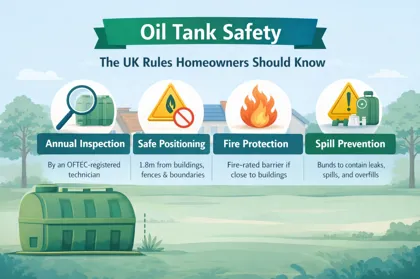
Oil Tank Safety: The UK Rules Homeowners Should Know




